American Households Face 9.2% Increase in Heating Bills This Winter
Center for Industrial Progress founder Alex Epstein blames renewable energy initiatives for holding back reliable and affordable electricity on ‘The Bottom Line.’
As millions of Americans grapple with the aftermath of winter storms and prepare for more severe weather, many households are facing the challenge of higher heating bills this winter.
According to a recent report from the National Energy Assistance Directors Association (NEADA), heating prices are projected to rise by 9.2% for consumers during the 2025-26 winter compared to the previous year. This translates to an expected expenditure of $995 on heating, marking an increase of $84 from last winter.
The surge in costs is primarily attributed to escalating prices for electricity and natural gas. Specifically, electricity costs are anticipated to increase by 12.2%, or $133, while natural gas prices are expected to rise by 8.4%, or $54.
MORE THAN 1 MILLION AMERICANS LOSE POWER AS MONSTER WINTER STORM SWEEPS ACROSS THE US

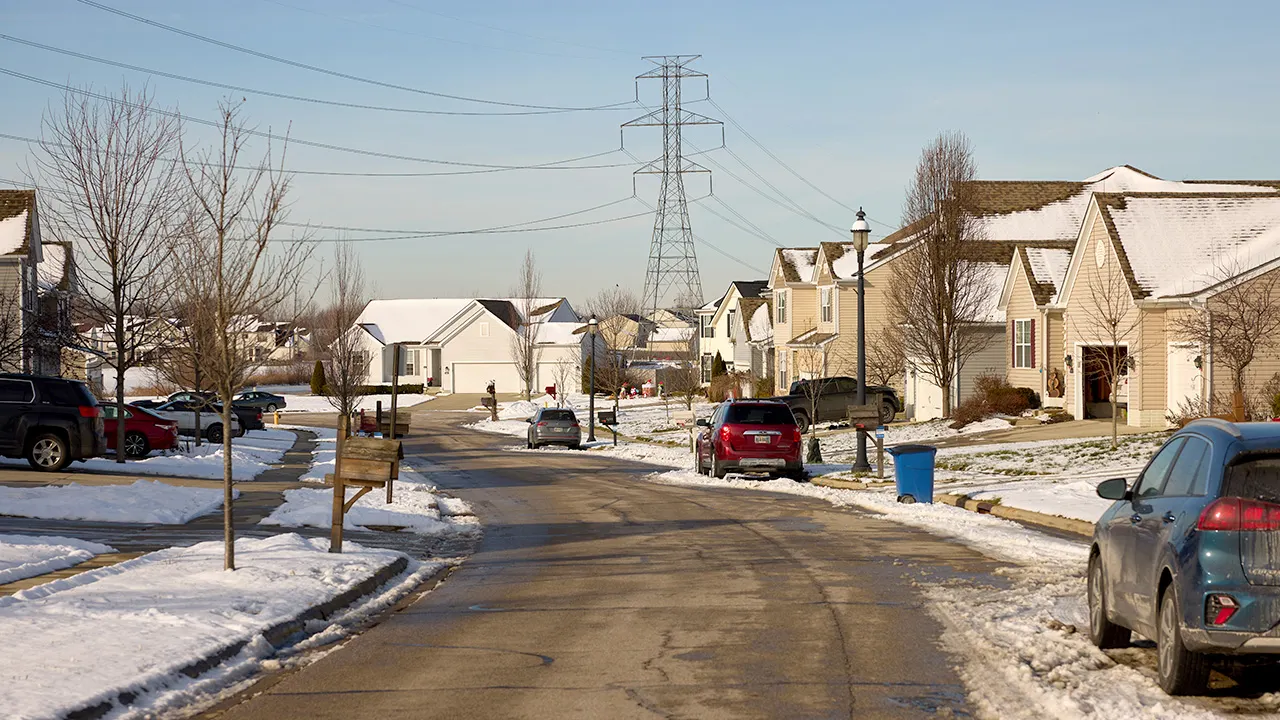
American households are expected to see heating prices rise 9.2% this winter, according to NEADA’s analysis. (Brian Kaiser/Bloomberg via Getty Images)
In contrast, heating oil costs are projected to remain relatively stable, with a slight increase of 0.4% or $6. Meanwhile, NEADA estimates that propane costs will decrease by 1.4% or $18 this winter, providing some relief amid the overall rise in heating expenses.
Several factors are contributing to the increase in retail electricity prices nationwide. The NEADA report highlights that higher interest rates have escalated the costs of financing power plants and transmission projects. Additionally, rising natural gas prices are driving up electricity generation costs, while the demand for electricity is surging, partly due to the expansion of data centers.
“Aging grid infrastructure and regional capacity constraints are adding further system costs,” the report states. “Moreover, reduced federal incentives for renewable energy have slowed new clean energy investments.”
COAL PLANTS STEP UP AS HISTORIC WINTER STORM PUSHES US POWER GRID TO THE BRINK
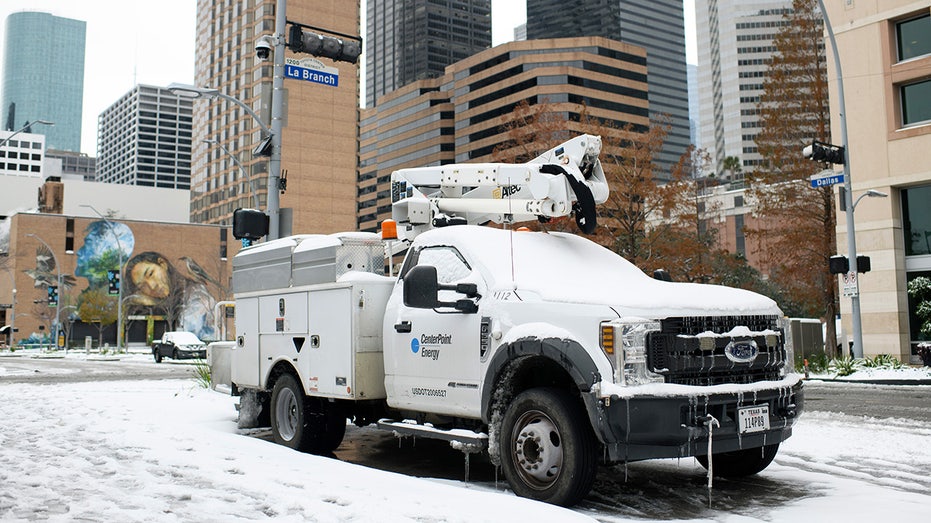
Winter storms have caused thousands of power outages around the country. (Mark Felix/Bloomberg via Getty Images)
These factors are likely to continue driving heating costs higher. NEADA reports that over 210 electric and natural gas utilities have raised rates or proposed increases totaling approximately $85.8 billion over the next two years.
This trend mirrors recent years, as data from the U.S. Energy Information Administration indicates that the average monthly residential electricity bill has surged from around $121 in 2021 to approximately $156 in 2025—a 29% increase that outpaces overall inflation during that period.
Rising energy bills have placed considerable financial strain on low- and moderate-income households, which spend between 6% to 10% of their income on energy—three to five times more than higher-income households.
MASSIVE WINTER STORM STRAINS US POWER GRID AS OPERATORS SCRAMBLE TO AVOID BLACKOUTS
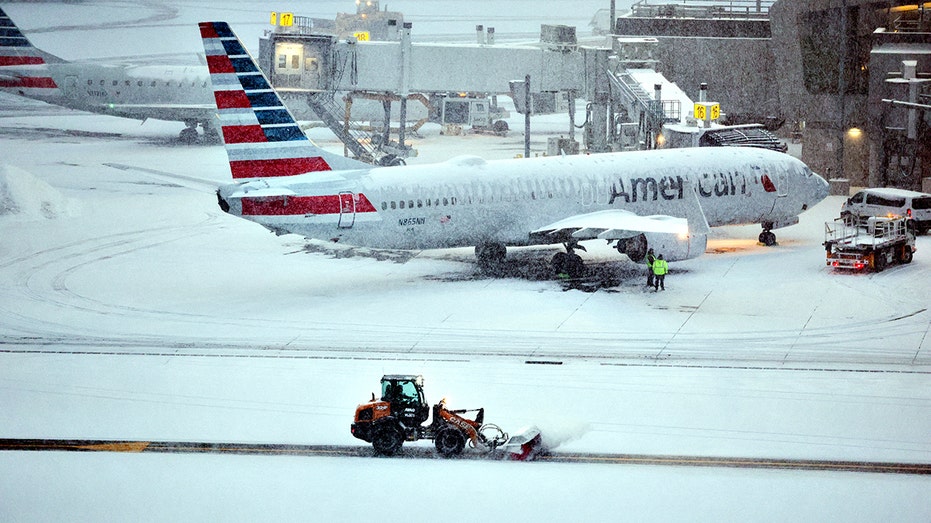
Winter storms have disrupted air travel while also stressing local infrastructure. (Charly Triballeau / AFP via Getty Images)
Moreover, approximately one in six households are currently behind on their utility bills, with Americans collectively owing around $23 billion to electric and gas utilities. NEADA estimates that up to 4 million households faced utility disconnections last year, an increase of about 500,000 from 2024.
“Even modest rate increases can force families to choose between paying utility bills and covering essentials such as food, rent, or medicine,” NEADA stated.
The latest consumer price index (CPI) data from the Bureau of Labor Statistics reveals that inflation has significantly impacted energy costs compared to the previous year. Utility gas service costs rose by 10.8% in December year-over-year, while electricity prices increased by 6.7%. Fuel oil costs also saw a rise of 7.4%, although the index for propane, kerosene, and firewood decreased by 5.9%.
Center for Industrial Progress founder Alex Epstein blames renewable energy initiatives for holding back reliable and affordable electricity on ‘The Bottom Line.’
As millions of Americans grapple with the aftermath of winter storms and prepare for more severe weather, many households are facing the challenge of higher heating bills this winter.
According to a recent report from the National Energy Assistance Directors Association (NEADA), heating prices are projected to rise by 9.2% for consumers during the 2025-26 winter compared to the previous year. This translates to an expected expenditure of $995 on heating, marking an increase of $84 from last winter.
The surge in costs is primarily attributed to escalating prices for electricity and natural gas. Specifically, electricity costs are anticipated to increase by 12.2%, or $133, while natural gas prices are expected to rise by 8.4%, or $54.
MORE THAN 1 MILLION AMERICANS LOSE POWER AS MONSTER WINTER STORM SWEEPS ACROSS THE US
American households are expected to see heating prices rise 9.2% this winter, according to NEADA’s analysis. (Brian Kaiser/Bloomberg via Getty Images)
In contrast, heating oil costs are projected to remain relatively stable, with a slight increase of 0.4% or $6. Meanwhile, NEADA estimates that propane costs will decrease by 1.4% or $18 this winter, providing some relief amid the overall rise in heating expenses.
Several factors are contributing to the increase in retail electricity prices nationwide. The NEADA report highlights that higher interest rates have escalated the costs of financing power plants and transmission projects. Additionally, rising natural gas prices are driving up electricity generation costs, while the demand for electricity is surging, partly due to the expansion of data centers.
“Aging grid infrastructure and regional capacity constraints are adding further system costs,” the report states. “Moreover, reduced federal incentives for renewable energy have slowed new clean energy investments.”
COAL PLANTS STEP UP AS HISTORIC WINTER STORM PUSHES US POWER GRID TO THE BRINK
Winter storms have caused thousands of power outages around the country. (Mark Felix/Bloomberg via Getty Images)
These factors are likely to continue driving heating costs higher. NEADA reports that over 210 electric and natural gas utilities have raised rates or proposed increases totaling approximately $85.8 billion over the next two years.
This trend mirrors recent years, as data from the U.S. Energy Information Administration indicates that the average monthly residential electricity bill has surged from around $121 in 2021 to approximately $156 in 2025—a 29% increase that outpaces overall inflation during that period.
Rising energy bills have placed considerable financial strain on low- and moderate-income households, which spend between 6% to 10% of their income on energy—three to five times more than higher-income households.
MASSIVE WINTER STORM STRAINS US POWER GRID AS OPERATORS SCRAMBLE TO AVOID BLACKOUTS
Winter storms have disrupted air travel while also stressing local infrastructure. (Charly Triballeau / AFP via Getty Images)
Moreover, approximately one in six households are currently behind on their utility bills, with Americans collectively owing around $23 billion to electric and gas utilities. NEADA estimates that up to 4 million households faced utility disconnections last year, an increase of about 500,000 from 2024.
“Even modest rate increases can force families to choose between paying utility bills and covering essentials such as food, rent, or medicine,” NEADA stated.
The latest consumer price index (CPI) data from the Bureau of Labor Statistics reveals that inflation has significantly impacted energy costs compared to the previous year. Utility gas service costs rose by 10.8% in December year-over-year, while electricity prices increased by 6.7%. Fuel oil costs also saw a rise of 7.4%, although the index for propane, kerosene, and firewood decreased by 5.9%.