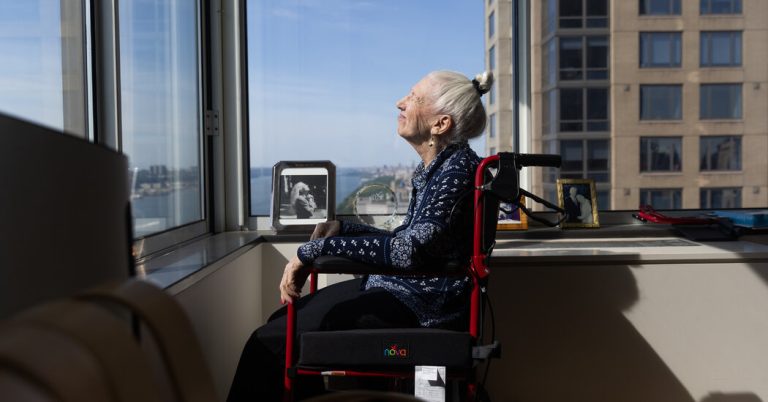
January Survey Reveals Consumer Confidence Hits Lowest Point Since 2014
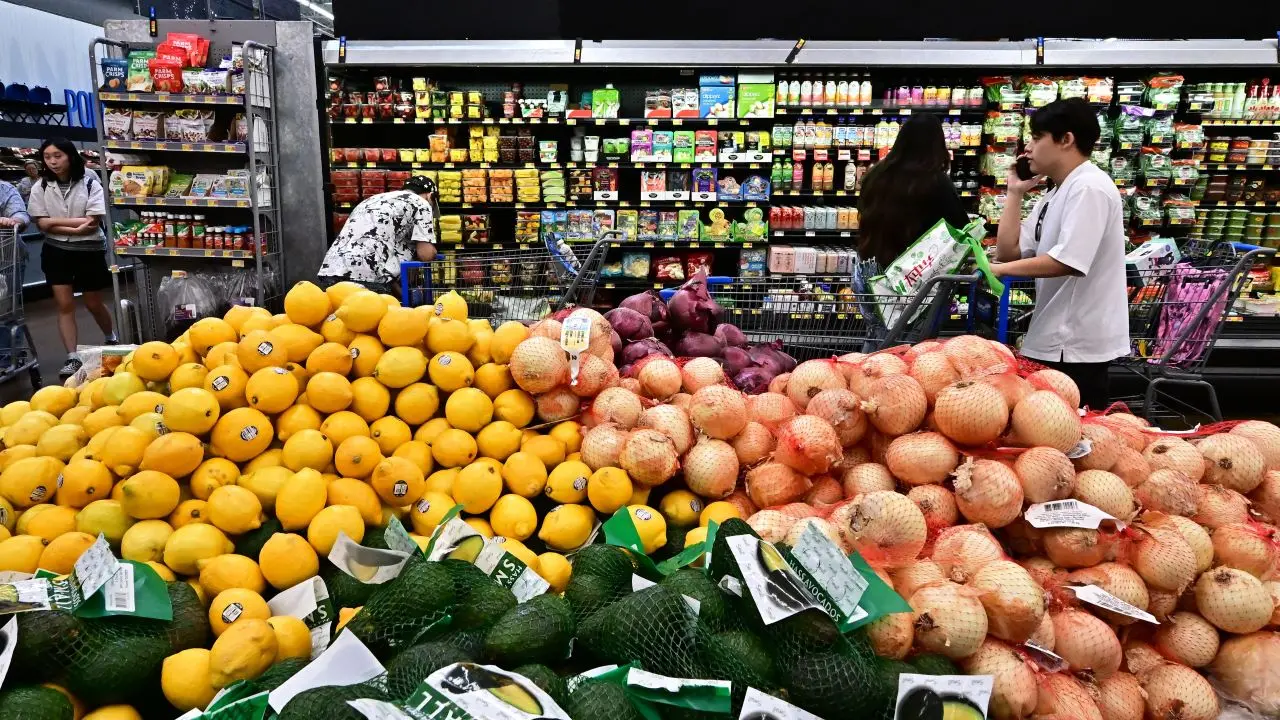
Yardeni Research President Ed Yardeni discusses economic drivers heading into 2026 on ‘Making Money.’
U.S. consumer confidence has plummeted to its lowest level since 2014, dropping below pandemic-era lows as Americans express growing concerns about the labor market. This decline was highlighted in the Conference Board’s preliminary consumer confidence reading for January, which fell by 9.7 points to 84.5, down from an upwardly revised 94.2 in December. Interestingly, the December figures had initially indicated a slight increase, but January’s data shows a clear reversal in consumer sentiment.
The January reading of 84.5 marks the lowest level since May 2014, when the index dipped to 82.2, and it has now fallen below the worst readings recorded during the COVID-19 pandemic.
According to Dana M. Peterson, chief economist of The Conference Board, “Confidence collapsed in January as consumer concerns about both the present situation and expectations for the future deepened.” She noted that all five components of the Index deteriorated, driving the overall Index to its lowest level since May 2014, surpassing even the depths experienced during the pandemic.
FED’S FAVORED INFLATION GAUGE SHOWS CONSUMER PRICES REMAINED ELEVATED IN NOVEMBER
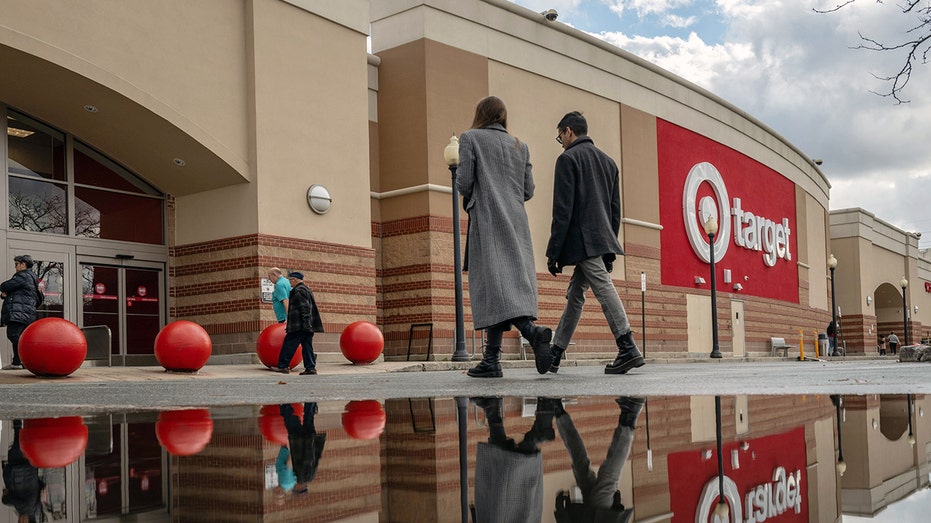
Consumer confidence slumped in January to the lowest level in over a decade, The Conference Board reported Tuesday. (Victor J. Blue/Bloomberg via Getty Images)
The Conference Board’s present situation index, which gauges consumers’ perceptions of current business and labor market conditions, fell by 9.9 points to 113.7 in January. This decline reflects a decrease in perceptions of both business conditions and employment.
Moreover, the expectations index, which assesses consumers’ short-term outlook for income, business, and labor market conditions, dropped by 9.5 points to 65.1. This figure is significantly below the 80-point threshold that typically signals a recession is on the horizon.
Expectations regarding business and labor market conditions six months ahead have also slipped further into negative territory, while the outlook for household incomes has become less optimistic.
US ECONOMY GREW AT FASTEST PACE IN 2 YEARS IN THIRD QUARTER, FUELED BY CONSUMER SPENDING
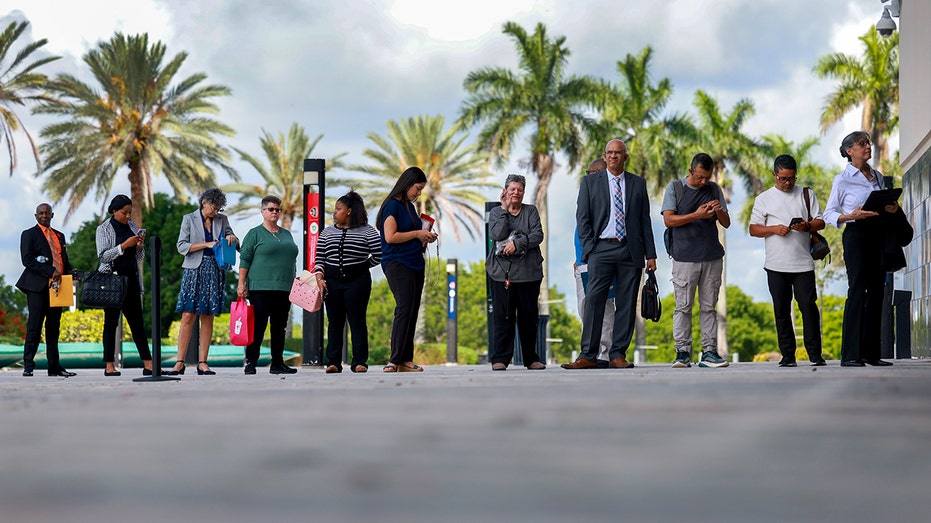
Declining optimism about the labor market helped cause the decline in the consumer confidence data. (Joe Raedle/Getty Images)
The decline in The Conference Board’s overall consumer confidence index was widespread, affecting respondents across the political spectrum, including Democrats, Republicans, and Independents. Notably, the sharpest decline was observed among Independents.
Confidence levels also fell across all age and income groups. Younger consumers, particularly those under 35, exhibited more confidence than their older counterparts, while Gen Z emerged as the most optimistic generation surveyed. Conversely, consumers earning less than $15,000 remained the least optimistic.
US CEOS FEAR ECONOMIC UNCERTAINTY MORE THAN THEIR GLOBAL PEERS AS THEY HEAD INTO 2026
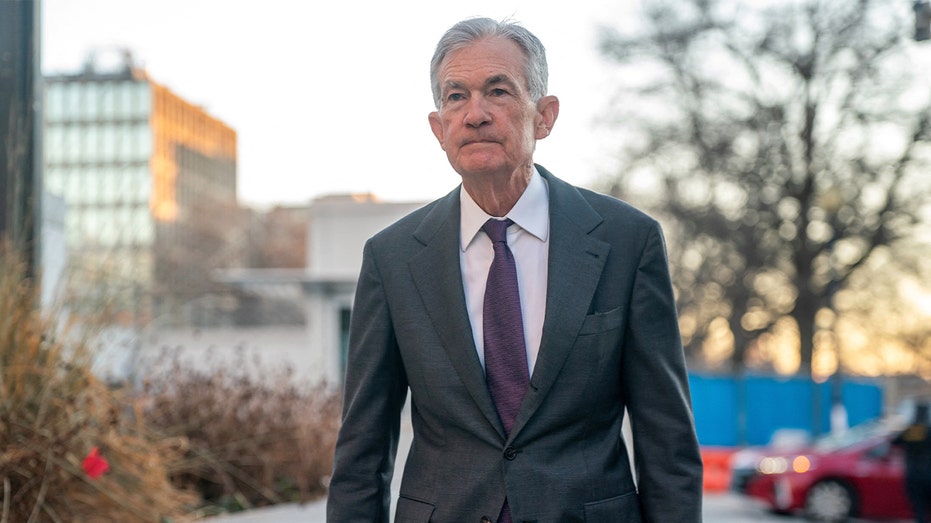
The consumer confidence data comes as the Federal Reserve is meeting this week. The central bank is expected to hold rates steady Wednesday. (Nathan Howard/Reuters)
The report indicates that consumers’ perceptions of their family’s current financial situation improved slightly in January, following a revision of December’s reading from a decline to a small net positive. However, expectations regarding their family’s future financial situation fell in January after a brief improvement in December.
Interestingly, the proportion of consumers who believe the U.S. economy is “somewhat likely” to experience a recession in the next 12 months has decreased, along with those who think a recession is “not likely.” Meanwhile, the number of respondents who see a recession as “very likely” in the next year has increased, and a small percentage now believe the U.S. is “already in one.”
Yardeni Research President Ed Yardeni discusses economic drivers heading into 2026 on ‘Making Money.’
U.S. consumer confidence has plummeted to its lowest level since 2014, dropping below pandemic-era lows as Americans express growing concerns about the labor market. This decline was highlighted in the Conference Board’s preliminary consumer confidence reading for January, which fell by 9.7 points to 84.5, down from an upwardly revised 94.2 in December. Interestingly, the December figures had initially indicated a slight increase, but January’s data shows a clear reversal in consumer sentiment.
The January reading of 84.5 marks the lowest level since May 2014, when the index dipped to 82.2, and it has now fallen below the worst readings recorded during the COVID-19 pandemic.
According to Dana M. Peterson, chief economist of The Conference Board, “Confidence collapsed in January as consumer concerns about both the present situation and expectations for the future deepened.” She noted that all five components of the Index deteriorated, driving the overall Index to its lowest level since May 2014, surpassing even the depths experienced during the pandemic.
FED’S FAVORED INFLATION GAUGE SHOWS CONSUMER PRICES REMAINED ELEVATED IN NOVEMBER
Consumer confidence slumped in January to the lowest level in over a decade, The Conference Board reported Tuesday. (Victor J. Blue/Bloomberg via Getty Images)
The Conference Board’s present situation index, which gauges consumers’ perceptions of current business and labor market conditions, fell by 9.9 points to 113.7 in January. This decline reflects a decrease in perceptions of both business conditions and employment.
Moreover, the expectations index, which assesses consumers’ short-term outlook for income, business, and labor market conditions, dropped by 9.5 points to 65.1. This figure is significantly below the 80-point threshold that typically signals a recession is on the horizon.
Expectations regarding business and labor market conditions six months ahead have also slipped further into negative territory, while the outlook for household incomes has become less optimistic.
US ECONOMY GREW AT FASTEST PACE IN 2 YEARS IN THIRD QUARTER, FUELED BY CONSUMER SPENDING
Declining optimism about the labor market helped cause the decline in the consumer confidence data. (Joe Raedle/Getty Images)
The decline in The Conference Board’s overall consumer confidence index was widespread, affecting respondents across the political spectrum, including Democrats, Republicans, and Independents. Notably, the sharpest decline was observed among Independents.
Confidence levels also fell across all age and income groups. Younger consumers, particularly those under 35, exhibited more confidence than their older counterparts, while Gen Z emerged as the most optimistic generation surveyed. Conversely, consumers earning less than $15,000 remained the least optimistic.
US CEOS FEAR ECONOMIC UNCERTAINTY MORE THAN THEIR GLOBAL PEERS AS THEY HEAD INTO 2026
The consumer confidence data comes as the Federal Reserve is meeting this week. The central bank is expected to hold rates steady Wednesday. (Nathan Howard/Reuters)
The report indicates that consumers’ perceptions of their family’s current financial situation improved slightly in January, following a revision of December’s reading from a decline to a small net positive. However, expectations regarding their family’s future financial situation fell in January after a brief improvement in December.
Interestingly, the proportion of consumers who believe the U.S. economy is “somewhat likely” to experience a recession in the next 12 months has decreased, along with those who think a recession is “not likely.” Meanwhile, the number of respondents who see a recession as “very likely” in the next year has increased, and a small percentage now believe the U.S. is “already in one.”