Federal Reserve Expected to Hold Off on Interest Rate Cuts During January Meeting
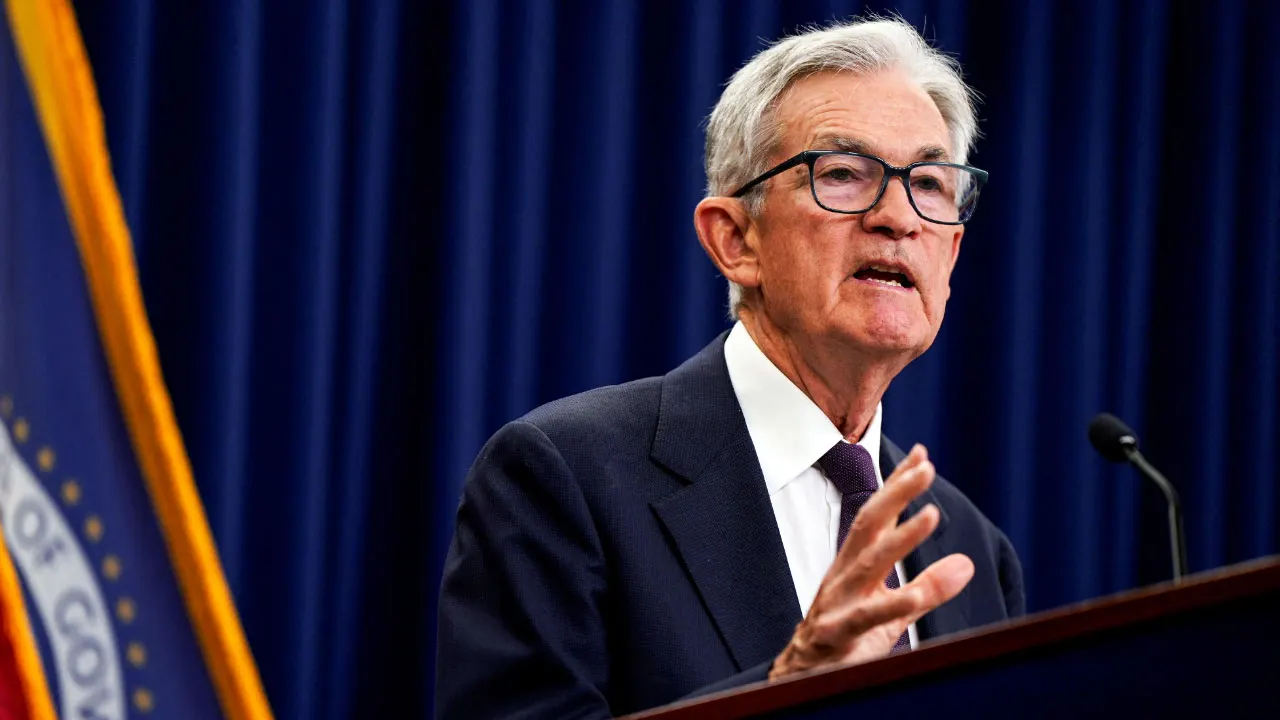
WSJ chief economics correspondent Nick Timiraos analyzes President Donald Trump’s search for the next Fed chair, including the ‘Catch-22’ facing Gov. Christopher Waller and the loyalty factor on The Claman Countdown.
Federal Reserve policymakers are anticipated to maintain interest rates at their current levels when they conclude their first meeting of the new year on Wednesday. This decision comes as central bank officials strive to manage persistent inflation alongside a softening labor market.
The Federal Open Market Committee (FOMC), which is responsible for setting the Fed’s benchmark federal funds rate, is expected to keep the target rate unchanged at a range of 3.5% to 3.75%. This would mark the first instance of the central bank holding rates steady since last summer, following a series of 25 basis point cuts at each of its final three meetings in 2025.
Minutes from the last Fed meeting revealed a significant divide among policymakers regarding the potential for rate cuts. Advocates for lower interest rates argued that such measures could “help stabilize the labor market.” Conversely, others expressed concerns that “progress towards the committee’s 2% inflation objective had stalled.” Some members who supported the December rate cut suggested that, based on their economic outlooks, it would be prudent to keep the target rate unchanged for a period following any reduction.
FURTHER RATE CUTS IN QUESTION AS FED POLICYMAKERS DEEPLY DIVIDED OVER DECEMBER CUT, MINUTES SHOW
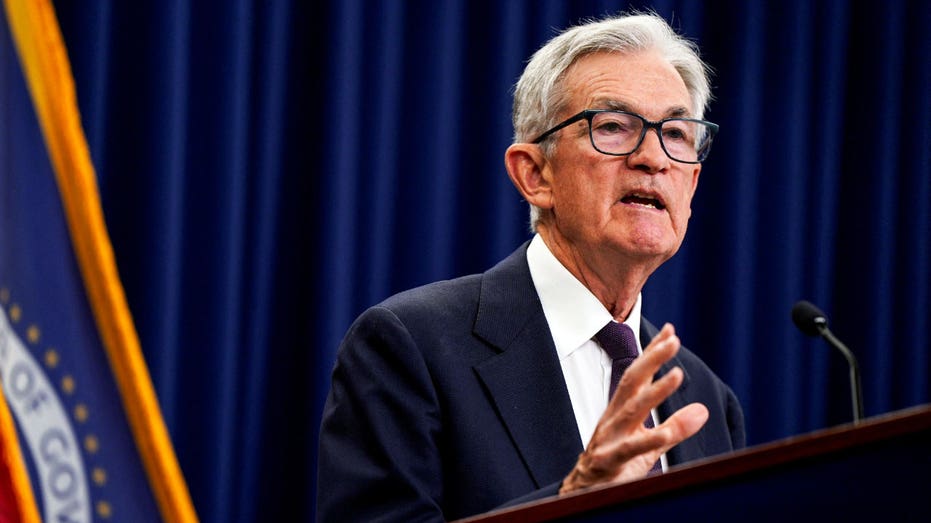
Federal Reserve Chair Jerome Powell will hold a press conference after the Fed announces its interest rate decision. (Elizabeth Frantz/Reuters)
Market expectations overwhelmingly indicate that the Fed will maintain rates during the January meeting. The CME FedWatch tool currently shows a 97.2% probability of rates remaining steady, a notable increase from 94.5% just a week ago and 82.3% last month.
Both elements of the Federal Reserve’s dual mandate—promoting stable prices in line with a long-term 2% inflation target and achieving maximum employment—have faced challenges in recent months. The economy is navigating uncertainty stemming from evolving trade and immigration policies.
TRUMP CALLS FOR ‘JERK’ POWELL TO LOWER INTEREST RATES AFTER LATEST INFLATION DATA
The Fed’s preferred inflation measure, the personal consumption expenditures (PCE) index, has seen a slight increase from the 2025 low of 2.2% in April, reaching 2.8% in November, the latest month for which data is available.
The unemployment rate decreased from 4.5% in November to 4.4% in December, although it has trended upward over the past year from a low of 4% at the beginning of 2025.
Since the current rate-cutting cycle began in September 2024, the Fed has reduced rates by 175 basis points, starting with a 50 basis point cut from a cyclical high of 5.25% to 5.5%. Policymakers had aggressively raised interest rates in 2022 and 2023 to combat a surge in inflation, which peaked at a 40-year high of 9.1% in June 2022, before gradually subsiding.
GLOBAL CENTRAL BANK LEADERS BACK FED CHAIR POWELL AMID FEDERAL INVESTIGATION
As interest rates approach neutral levels and with no clear signs of a significant labor market downturn or a resurgence in inflation, market observers are keenly awaiting indications from Fed Chair Jerome Powell regarding potential rate cuts later this year.
“We anticipate 50 basis points of easing through 2026, as labor-market fundamentals gradually soften and PCE inflation hovers just below 3% in the early part of the year before easing toward 2.5% by year-end,” stated EY-Parthenon chief economist Gregory Daco. “In this context, the first 2026 rate cut is unlikely to occur before June.”
Principal Asset Management chief global strategist Seema Shah noted that with inflation remaining sticky but not accelerating, and the labor market cooling without collapsing, fiscal stimulus is expected to support growth in early 2026. She believes that policy rates should return to normal levels, but not fall below them.
GET FOX BUSINESS ON THE GO BY CLICKING HERE
Shah anticipates two cuts in 2026, bringing rates just below the midpoint of the neutral range. However, she emphasized that the timing will remain data-dependent, suggesting that a continued rise in unemployment could prompt these cuts to be implemented in the first half of the year.
WSJ chief economics correspondent Nick Timiraos analyzes President Donald Trump’s search for the next Fed chair, including the ‘Catch-22’ facing Gov. Christopher Waller and the loyalty factor on The Claman Countdown.
Federal Reserve policymakers are anticipated to maintain interest rates at their current levels when they conclude their first meeting of the new year on Wednesday. This decision comes as central bank officials strive to manage persistent inflation alongside a softening labor market.
The Federal Open Market Committee (FOMC), which is responsible for setting the Fed’s benchmark federal funds rate, is expected to keep the target rate unchanged at a range of 3.5% to 3.75%. This would mark the first instance of the central bank holding rates steady since last summer, following a series of 25 basis point cuts at each of its final three meetings in 2025.
Minutes from the last Fed meeting revealed a significant divide among policymakers regarding the potential for rate cuts. Advocates for lower interest rates argued that such measures could “help stabilize the labor market.” Conversely, others expressed concerns that “progress towards the committee’s 2% inflation objective had stalled.” Some members who supported the December rate cut suggested that, based on their economic outlooks, it would be prudent to keep the target rate unchanged for a period following any reduction.
FURTHER RATE CUTS IN QUESTION AS FED POLICYMAKERS DEEPLY DIVIDED OVER DECEMBER CUT, MINUTES SHOW
Federal Reserve Chair Jerome Powell will hold a press conference after the Fed announces its interest rate decision. (Elizabeth Frantz/Reuters)
Market expectations overwhelmingly indicate that the Fed will maintain rates during the January meeting. The CME FedWatch tool currently shows a 97.2% probability of rates remaining steady, a notable increase from 94.5% just a week ago and 82.3% last month.
Both elements of the Federal Reserve’s dual mandate—promoting stable prices in line with a long-term 2% inflation target and achieving maximum employment—have faced challenges in recent months. The economy is navigating uncertainty stemming from evolving trade and immigration policies.
TRUMP CALLS FOR ‘JERK’ POWELL TO LOWER INTEREST RATES AFTER LATEST INFLATION DATA
The Fed’s preferred inflation measure, the personal consumption expenditures (PCE) index, has seen a slight increase from the 2025 low of 2.2% in April, reaching 2.8% in November, the latest month for which data is available.
The unemployment rate decreased from 4.5% in November to 4.4% in December, although it has trended upward over the past year from a low of 4% at the beginning of 2025.
Since the current rate-cutting cycle began in September 2024, the Fed has reduced rates by 175 basis points, starting with a 50 basis point cut from a cyclical high of 5.25% to 5.5%. Policymakers had aggressively raised interest rates in 2022 and 2023 to combat a surge in inflation, which peaked at a 40-year high of 9.1% in June 2022, before gradually subsiding.
GLOBAL CENTRAL BANK LEADERS BACK FED CHAIR POWELL AMID FEDERAL INVESTIGATION
As interest rates approach neutral levels and with no clear signs of a significant labor market downturn or a resurgence in inflation, market observers are keenly awaiting indications from Fed Chair Jerome Powell regarding potential rate cuts later this year.
“We anticipate 50 basis points of easing through 2026, as labor-market fundamentals gradually soften and PCE inflation hovers just below 3% in the early part of the year before easing toward 2.5% by year-end,” stated EY-Parthenon chief economist Gregory Daco. “In this context, the first 2026 rate cut is unlikely to occur before June.”
Principal Asset Management chief global strategist Seema Shah noted that with inflation remaining sticky but not accelerating, and the labor market cooling without collapsing, fiscal stimulus is expected to support growth in early 2026. She believes that policy rates should return to normal levels, but not fall below them.
GET FOX BUSINESS ON THE GO BY CLICKING HERE
Shah anticipates two cuts in 2026, bringing rates just below the midpoint of the neutral range. However, she emphasized that the timing will remain data-dependent, suggesting that a continued rise in unemployment could prompt these cuts to be implemented in the first half of the year.