Living Well with Heart Disease
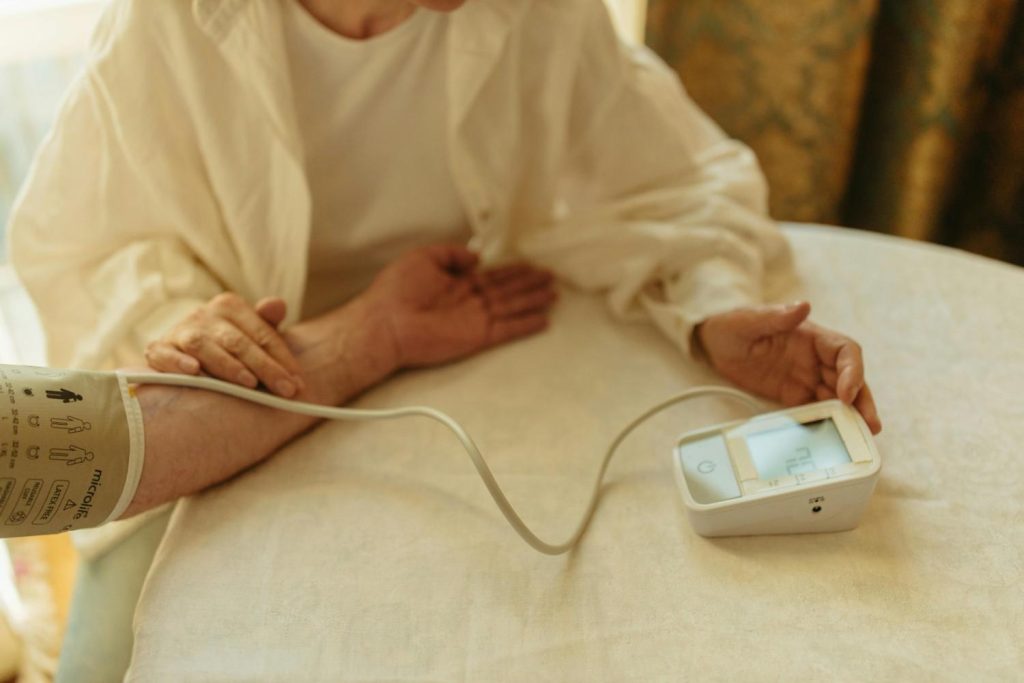
Heart disease is one of the most common long-term health conditions in the UK, affecting millions of people. Whether you’ve recently been diagnosed or are supporting someone with a heart condition, understanding how it impacts daily life is crucial for making informed decisions about treatment, lifestyle, and care.
With the right support and medical guidance, most individuals adapt well and continue to lead full, active lives. This article explores how heart disease can affect your daily routines and confidence, along with practical steps to protect your heart while maintaining a good quality of life at home.
Living well after a heart disease diagnosis
A diagnosis of heart disease can feel overwhelming. You might worry about what changes to make or how much your life will need to adjust. However, with the right treatment, lifestyle habits, and support, many people continue to live fulfilling and active lives.
Understanding how heart disease affects your day-to-day life empowers you to take control of your health and protect your heart for the long term.
How heart disease affects daily life
Heart disease can influence various aspects of life, including your diet, exercise routine, and social interactions. The impact largely depends on your overall health and how well your condition is managed. Collaborating closely with your healthcare team helps you find the right balance between staying safe and maintaining independence.
Healthy habits that protect your heart
Maintaining a healthy weight
If you’re overweight, aim to bring your BMI closer to 20–25. Even a small amount of weight loss can lower blood pressure and reduce strain on your heart. Gradual, sustainable changes, such as reducing portion sizes or opting for lighter cooking methods, support your heart’s health without drastic measures.
Eating for heart health
A balanced, Mediterranean-style diet has proven benefits for cardiovascular health. Focus on consuming fruits, vegetables, lean proteins, fish, whole grains, and healthy fats from sources like olive oil or nuts. Reduce salt, sugar, and processed foods, and keep alcohol consumption moderate. The DASH diet is also known to lower blood pressure and cholesterol, providing useful guidance.
Staying active and rebuilding confidence
Exercise is one of the best ways to strengthen your heart and boost well-being. After a heart attack or diagnosis, it’s normal to feel apprehensive about physical activity. Start small with gentle walks, light cycling, or stretching, gradually building up to 30 minutes of moderate activity most days.
Begin with short sessions and increase as you feel stronger. Stop if you experience chest pain, palpitations, or breathlessness. Keep your phone and medication handy during exercise, and consider working out with friends or groups to enhance motivation and confidence. If mobility issues make it challenging to stay active, a live-in carer can assist you in safely rebuilding fitness at home.
Everyday independence: driving, work, and travel
Many individuals regain full independence after treatment, but it’s essential to move at your own pace.
Driving: You’ll typically be able to drive again once your condition stabilizes. Consult your doctor and follow DVLA guidance. Failing to declare a condition can lead to fines or invalid insurance.
Work: Returning to work depends on your job’s nature and your physical condition. Discuss phased return options or light duties with your employer during recovery.
Travel: A relaxing break can support recovery – plan ahead to ensure safety. Consult your doctor before traveling, especially after recent surgery. Carry an updated medication list and extra supplies in your hand luggage. Ensure your travel insurance covers pre-existing heart conditions, and pace yourself with restful activities. If flying, always obtain medical clearance first.
Emotional well-being and support
Heart disease affects not only your body but also your emotional state. Anxiety about future episodes, loss of confidence, or feelings of isolation are common after a diagnosis. Engaging in conversations with loved ones, joining a cardiac support group, or consulting a counselor can help you maintain a positive outlook and focus on recovery.
If you or someone you care for struggles with motivation or loneliness, companionship care can provide daily encouragement and structure for a healthier routine.
“My mother is confined to a chair but has no cognitive impairment, and our current carer has understood her needs perfectly and been a brilliant companion to her.”
Getting support for long-term recovery
If you’re recovering from a heart attack, consult your GP about cardiac rehabilitation programmes. These offer supervised exercise and education to help you regain strength safely and reduce the risk of future issues.
If you require ongoing assistance, live-in carers can provide support with medication, meal preparation, and gentle exercise, allowing you to remain safe, comfortable, and independent at home.
How Hometouch can help
Living with heart disease presents both physical and emotional challenges. Hometouch carers offer personalized support, from a few hours of companionship each day to full-time live-in care. Understanding the available options helps you or your loved one live confidently and safely at home.
Heart disease is one of the most common long-term health conditions in the UK, affecting millions of people. Whether you’ve recently been diagnosed or are supporting someone with a heart condition, understanding how it impacts daily life is crucial for making informed decisions about treatment, lifestyle, and care.
With the right support and medical guidance, most individuals adapt well and continue to lead full, active lives. This article explores how heart disease can affect your daily routines and confidence, along with practical steps to protect your heart while maintaining a good quality of life at home.
Living well after a heart disease diagnosis
A diagnosis of heart disease can feel overwhelming. You might worry about what changes to make or how much your life will need to adjust. However, with the right treatment, lifestyle habits, and support, many people continue to live fulfilling and active lives.
Understanding how heart disease affects your day-to-day life empowers you to take control of your health and protect your heart for the long term.
How heart disease affects daily life
Heart disease can influence various aspects of life, including your diet, exercise routine, and social interactions. The impact largely depends on your overall health and how well your condition is managed. Collaborating closely with your healthcare team helps you find the right balance between staying safe and maintaining independence.
Healthy habits that protect your heart
Maintaining a healthy weight
If you’re overweight, aim to bring your BMI closer to 20–25. Even a small amount of weight loss can lower blood pressure and reduce strain on your heart. Gradual, sustainable changes, such as reducing portion sizes or opting for lighter cooking methods, support your heart’s health without drastic measures.
Eating for heart health
A balanced, Mediterranean-style diet has proven benefits for cardiovascular health. Focus on consuming fruits, vegetables, lean proteins, fish, whole grains, and healthy fats from sources like olive oil or nuts. Reduce salt, sugar, and processed foods, and keep alcohol consumption moderate. The DASH diet is also known to lower blood pressure and cholesterol, providing useful guidance.
Staying active and rebuilding confidence
Exercise is one of the best ways to strengthen your heart and boost well-being. After a heart attack or diagnosis, it’s normal to feel apprehensive about physical activity. Start small with gentle walks, light cycling, or stretching, gradually building up to 30 minutes of moderate activity most days.
Begin with short sessions and increase as you feel stronger. Stop if you experience chest pain, palpitations, or breathlessness. Keep your phone and medication handy during exercise, and consider working out with friends or groups to enhance motivation and confidence. If mobility issues make it challenging to stay active, a live-in carer can assist you in safely rebuilding fitness at home.
Everyday independence: driving, work, and travel
Many individuals regain full independence after treatment, but it’s essential to move at your own pace.
Driving: You’ll typically be able to drive again once your condition stabilizes. Consult your doctor and follow DVLA guidance. Failing to declare a condition can lead to fines or invalid insurance.
Work: Returning to work depends on your job’s nature and your physical condition. Discuss phased return options or light duties with your employer during recovery.
Travel: A relaxing break can support recovery – plan ahead to ensure safety. Consult your doctor before traveling, especially after recent surgery. Carry an updated medication list and extra supplies in your hand luggage. Ensure your travel insurance covers pre-existing heart conditions, and pace yourself with restful activities. If flying, always obtain medical clearance first.
Emotional well-being and support
Heart disease affects not only your body but also your emotional state. Anxiety about future episodes, loss of confidence, or feelings of isolation are common after a diagnosis. Engaging in conversations with loved ones, joining a cardiac support group, or consulting a counselor can help you maintain a positive outlook and focus on recovery.
If you or someone you care for struggles with motivation or loneliness, companionship care can provide daily encouragement and structure for a healthier routine.
“My mother is confined to a chair but has no cognitive impairment, and our current carer has understood her needs perfectly and been a brilliant companion to her.”
Getting support for long-term recovery
If you’re recovering from a heart attack, consult your GP about cardiac rehabilitation programmes. These offer supervised exercise and education to help you regain strength safely and reduce the risk of future issues.
If you require ongoing assistance, live-in carers can provide support with medication, meal preparation, and gentle exercise, allowing you to remain safe, comfortable, and independent at home.
How Hometouch can help
Living with heart disease presents both physical and emotional challenges. Hometouch carers offer personalized support, from a few hours of companionship each day to full-time live-in care. Understanding the available options helps you or your loved one live confidently and safely at home.