Exploring the 2026 Changes to IRS 401(k) Catch-Up Rules for High Earners

The Big Money Show breaks down new IRS limits for 401(k)s and IRAs, giving savers more room to invest for retirement.
The IRS is making significant changes to how Americans can make catch-up contributions to their workplace retirement accounts, which could greatly impact retirement planning and budgeting.
Starting in 2026, a new rule will alter the way high-income earners can make catch-up contributions to their workplace 401(k) retirement plans. Specifically, individuals over the age of 50 with earnings subject to payroll tax of $150,000 or more will be required to make catch-up contributions to a Roth 401(k).
This change, mandated by the SECURE 2.0 Act of 2022, means that affected workers will no longer benefit from the upfront tax deduction previously available for contributions to traditional 401(k) accounts. This deduction effectively lowered the worker’s taxable income based on their contribution amount.
On the upside, those impacted by this change may enjoy the benefits that Roth accounts offer, such as tax-free earnings and withdrawals once the five-year aging rule for the plan is met.
IRS REVEALS UPDATED CONTRIBUTION LIMITS FOR 2026

The catch-up contribution changes impact high-earners, who will have to put those contributions into an after-tax Roth 401(k). (iStock)
In 2026, workers will be able to contribute up to $24,500 to their 401(k) plans, an increase from the previous limit of $23,500. Additionally, those over 50 will be eligible for an extra catch-up contribution of $8,000, which is up $500 from the 2025 threshold. Some plans even allow participants aged 60 to 63 to make a larger catch-up contribution of $11,250.
This new rule regarding catch-up contributions is permanent, and the income threshold is based on the prior year’s W-2 form provided by the employer sponsoring the plan.
TRUMP SAYS HE’S ‘NOT A HUGE FAN’ OF 401(K) WITHDRAWAL PLAN FOR HOMEBUYERS’ DOWN PAYMENTS
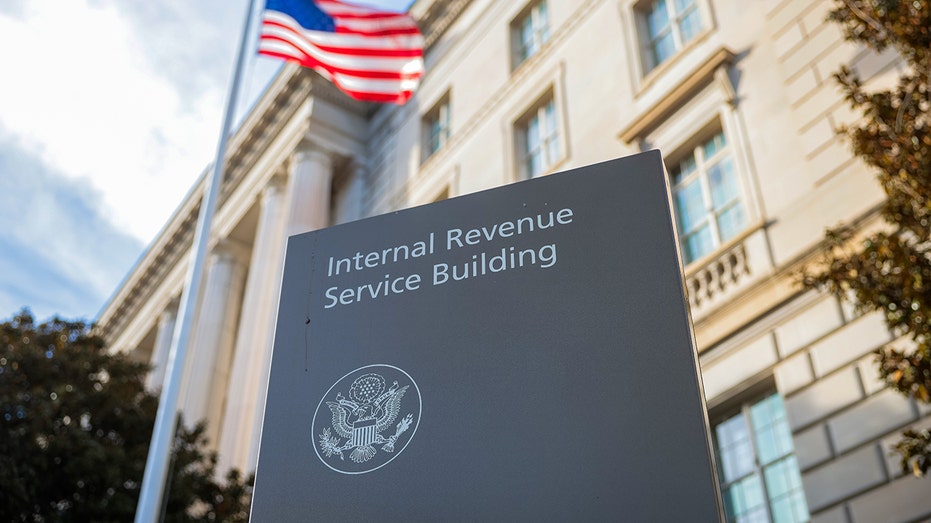
The IRS made the changes as required by the SECURE 2.0 Act of 2022. (Kayla Bartkowski/Getty Images)
If a worker earned $150,000 or more in the 2025 tax year, the adjustment will apply to contributions made during the 2026 tax year. However, workers earning less than $150,000 will remain unaffected by this rule change and can continue making catch-up contributions to their 401(k), whether traditional or Roth.
In light of these changes, Fidelity suggests that those saving for retirement may want to reconsider their strategies. Options include contributing to a health savings account (HSA) if eligible, as these accounts allow for tax-advantaged payments for medical expenses, which can aid retirement goals.
Additionally, savers might focus on maximizing their regular contributions to 401(k) plans, consider partial contributions to a Roth IRA or a traditional IRA, or even convert traditional IRA funds to a Roth IRA.
GET FOX BUSINESS ON THE GO BY CLICKING HERE
Fidelity recommends consulting with a tax or financial professional to develop a tailored retirement savings plan.
The Big Money Show breaks down new IRS limits for 401(k)s and IRAs, giving savers more room to invest for retirement.
The IRS is making significant changes to how Americans can make catch-up contributions to their workplace retirement accounts, which could greatly impact retirement planning and budgeting.
Starting in 2026, a new rule will alter the way high-income earners can make catch-up contributions to their workplace 401(k) retirement plans. Specifically, individuals over the age of 50 with earnings subject to payroll tax of $150,000 or more will be required to make catch-up contributions to a Roth 401(k).
This change, mandated by the SECURE 2.0 Act of 2022, means that affected workers will no longer benefit from the upfront tax deduction previously available for contributions to traditional 401(k) accounts. This deduction effectively lowered the worker’s taxable income based on their contribution amount.
On the upside, those impacted by this change may enjoy the benefits that Roth accounts offer, such as tax-free earnings and withdrawals once the five-year aging rule for the plan is met.
IRS REVEALS UPDATED CONTRIBUTION LIMITS FOR 2026
The catch-up contribution changes impact high-earners, who will have to put those contributions into an after-tax Roth 401(k). (iStock)
In 2026, workers will be able to contribute up to $24,500 to their 401(k) plans, an increase from the previous limit of $23,500. Additionally, those over 50 will be eligible for an extra catch-up contribution of $8,000, which is up $500 from the 2025 threshold. Some plans even allow participants aged 60 to 63 to make a larger catch-up contribution of $11,250.
This new rule regarding catch-up contributions is permanent, and the income threshold is based on the prior year’s W-2 form provided by the employer sponsoring the plan.
TRUMP SAYS HE’S ‘NOT A HUGE FAN’ OF 401(K) WITHDRAWAL PLAN FOR HOMEBUYERS’ DOWN PAYMENTS
The IRS made the changes as required by the SECURE 2.0 Act of 2022. (Kayla Bartkowski/Getty Images)
If a worker earned $150,000 or more in the 2025 tax year, the adjustment will apply to contributions made during the 2026 tax year. However, workers earning less than $150,000 will remain unaffected by this rule change and can continue making catch-up contributions to their 401(k), whether traditional or Roth.
In light of these changes, Fidelity suggests that those saving for retirement may want to reconsider their strategies. Options include contributing to a health savings account (HSA) if eligible, as these accounts allow for tax-advantaged payments for medical expenses, which can aid retirement goals.
Additionally, savers might focus on maximizing their regular contributions to 401(k) plans, consider partial contributions to a Roth IRA or a traditional IRA, or even convert traditional IRA funds to a Roth IRA.
GET FOX BUSINESS ON THE GO BY CLICKING HERE
Fidelity recommends consulting with a tax or financial professional to develop a tailored retirement savings plan.