Transformational Fed: Larry Kudlow Urges Trump for Economic Change
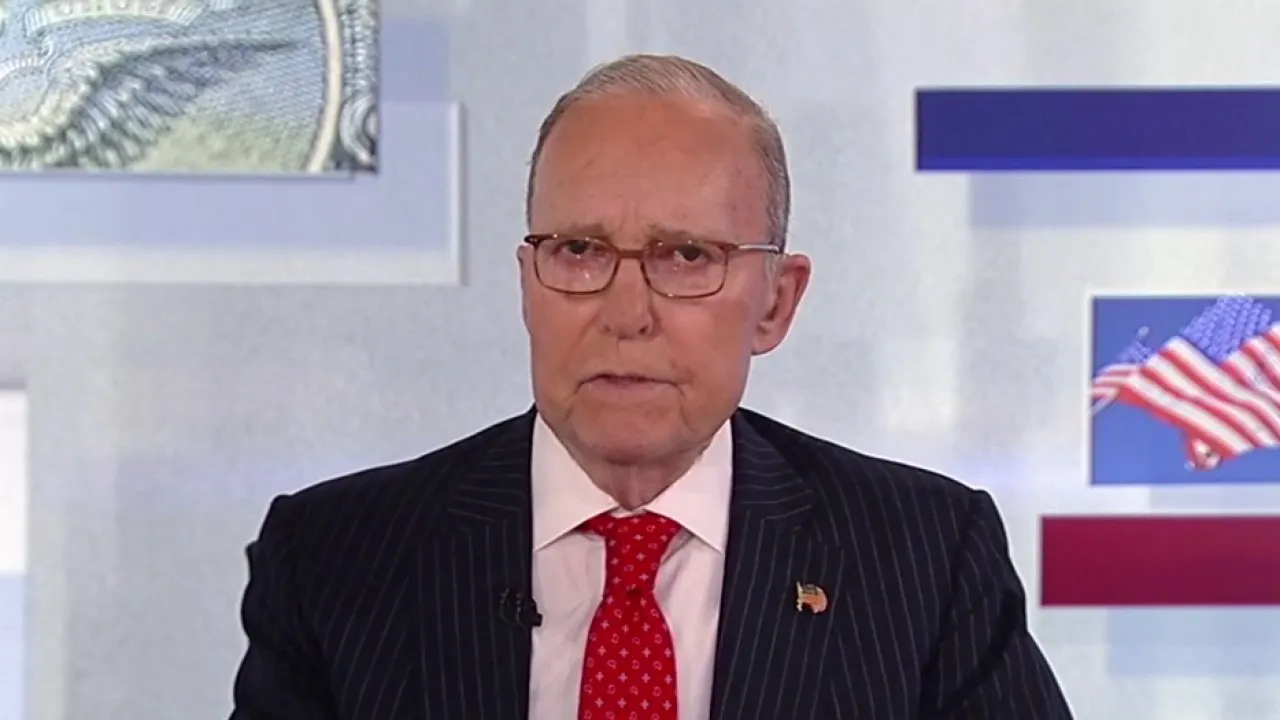
Kudos to Fed board members Stephen Miran and Chris Waller for dissenting at today’s Open Market Committee meeting. They advocated for a reduction in the Fed funds rate by a quarter of a percentage point. The current economic landscape is characterized by a disinflationary supply-side boom, where growth remains robust while inflationary pressures are easing.
Let’s look at some key statistics: Over the past three months, the core personal consumption expenditures price index has risen by only 2.3 percent annually, showing a downward trend. Additionally, the three-month core consumer price index has decreased to 1.6 percent. Even the headline Consumer Price Index (CPI) stands at a modest 2.1 percent. Unit labor costs, which reflect wages adjusted for productivity, have increased by just over 1 percent in the past year—arguably one of the most telling indicators of our economic health.
We are witnessing a productivity-led economy that is inherently counter-inflationary. However, the Federal Reserve, under Chairman Jay Powell, seems reluctant to acknowledge this reality. Discussions surrounding full cost expensing highlight a surge in business capital investment, which is a key driver of productivity growth. Yet, this topic rarely surfaces in Fed discussions.
Moreover, energy prices, including gasoline, have been on a downward trajectory for the past year, contributing to the overall disinflationary environment. Despite this, the Fed appears to overlook these developments. For months, Mr. Powell has fixated on tariff-induced inflation, but so far, this concern has not materialized. Both core and headline goods prices, over both 12 and 3-month periods, are below the Fed’s 2 percent target rate. Yet, Mr. Powell has ceased discussing this issue. The Fed’s models are evidently flawed; growth does not inherently lead to inflation, nor does a low unemployment rate.
Yardeni Research president Ed Yardeni discusses how productivity and profits are driving the market and President Donald Trump’s economic agenda on ‘Kudlow.’
At Davos, President Trump raised an important question: Why does positive economic news seem to unsettle financial markets? The answer lies in market fears that the Fed will raise interest rates and stifle the ongoing boom, despite historical evidence suggesting this model is fundamentally flawed.
David Malpass, in today’s Wall Street Journal, poses a compelling question: Why are American bond rates significantly higher than those in Japan and Communist China, especially when our economy is performing better and our profits—and thus credit—are stronger? This inquiry deserves attention.
Indeed, the stability and confidence associated with a “King Dollar” policy could help lower rates. The five-year dollar index chart remains steady, hovering around $100, indicating no immediate crisis. Treasury Man Scott Bessent has reaffirmed a strong dollar policy today, emphasizing the need for change at the Fed. It’s time to discard outdated models and rethink the prevailing attitudes toward growth and inflation. Mr. Trump, please ensure your Fed choice is truly transformational.
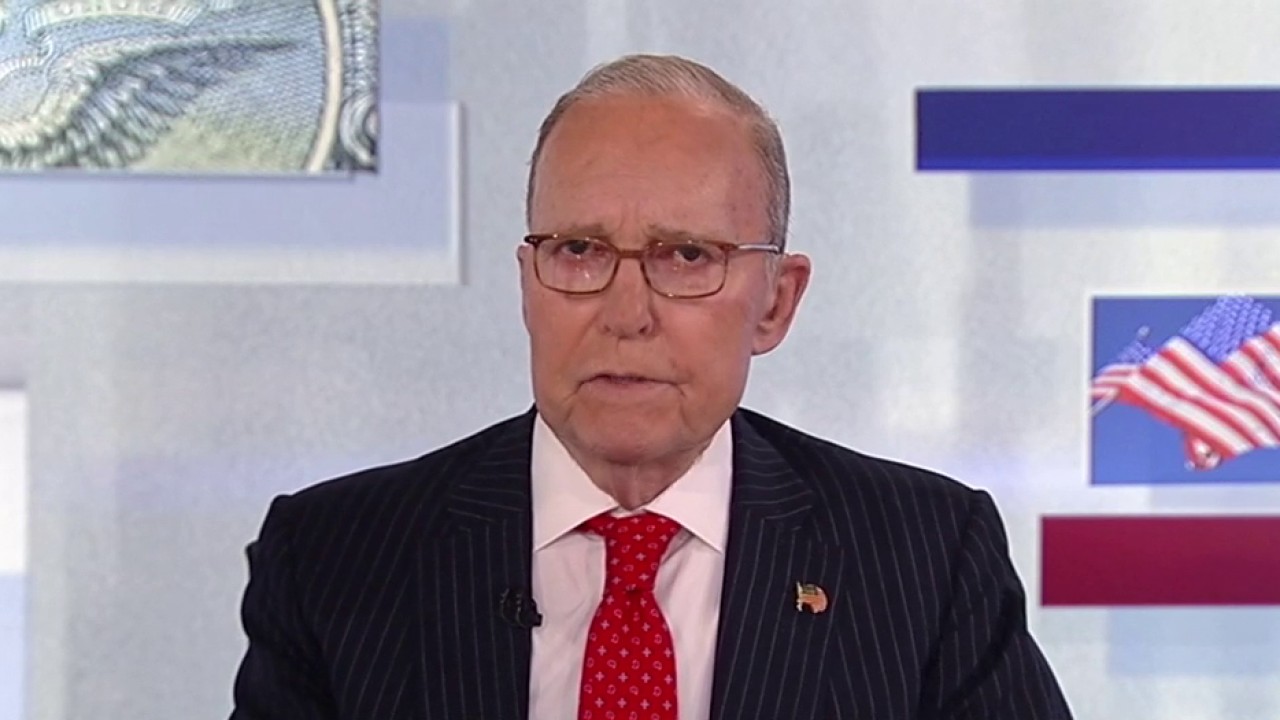
Kudos to Fed board members Stephen Miran and Chris Waller for dissenting at today’s Open Market Committee meeting. They advocated for a reduction in the Fed funds rate by a quarter of a percentage point. The current economic landscape is characterized by a disinflationary supply-side boom, where growth remains robust while inflationary pressures are easing.
Let’s look at some key statistics: Over the past three months, the core personal consumption expenditures price index has risen by only 2.3 percent annually, showing a downward trend. Additionally, the three-month core consumer price index has decreased to 1.6 percent. Even the headline Consumer Price Index (CPI) stands at a modest 2.1 percent. Unit labor costs, which reflect wages adjusted for productivity, have increased by just over 1 percent in the past year—arguably one of the most telling indicators of our economic health.
We are witnessing a productivity-led economy that is inherently counter-inflationary. However, the Federal Reserve, under Chairman Jay Powell, seems reluctant to acknowledge this reality. Discussions surrounding full cost expensing highlight a surge in business capital investment, which is a key driver of productivity growth. Yet, this topic rarely surfaces in Fed discussions.
Moreover, energy prices, including gasoline, have been on a downward trajectory for the past year, contributing to the overall disinflationary environment. Despite this, the Fed appears to overlook these developments. For months, Mr. Powell has fixated on tariff-induced inflation, but so far, this concern has not materialized. Both core and headline goods prices, over both 12 and 3-month periods, are below the Fed’s 2 percent target rate. Yet, Mr. Powell has ceased discussing this issue. The Fed’s models are evidently flawed; growth does not inherently lead to inflation, nor does a low unemployment rate.
Yardeni Research president Ed Yardeni discusses how productivity and profits are driving the market and President Donald Trump’s economic agenda on ‘Kudlow.’
At Davos, President Trump raised an important question: Why does positive economic news seem to unsettle financial markets? The answer lies in market fears that the Fed will raise interest rates and stifle the ongoing boom, despite historical evidence suggesting this model is fundamentally flawed.
David Malpass, in today’s Wall Street Journal, poses a compelling question: Why are American bond rates significantly higher than those in Japan and Communist China, especially when our economy is performing better and our profits—and thus credit—are stronger? This inquiry deserves attention.
Indeed, the stability and confidence associated with a “King Dollar” policy could help lower rates. The five-year dollar index chart remains steady, hovering around $100, indicating no immediate crisis. Treasury Man Scott Bessent has reaffirmed a strong dollar policy today, emphasizing the need for change at the Fed. It’s time to discard outdated models and rethink the prevailing attitudes toward growth and inflation. Mr. Trump, please ensure your Fed choice is truly transformational.