Fed Chair Jerome Powell Highlights Consumer Trends to ‘Economize’ in Response to Inflation
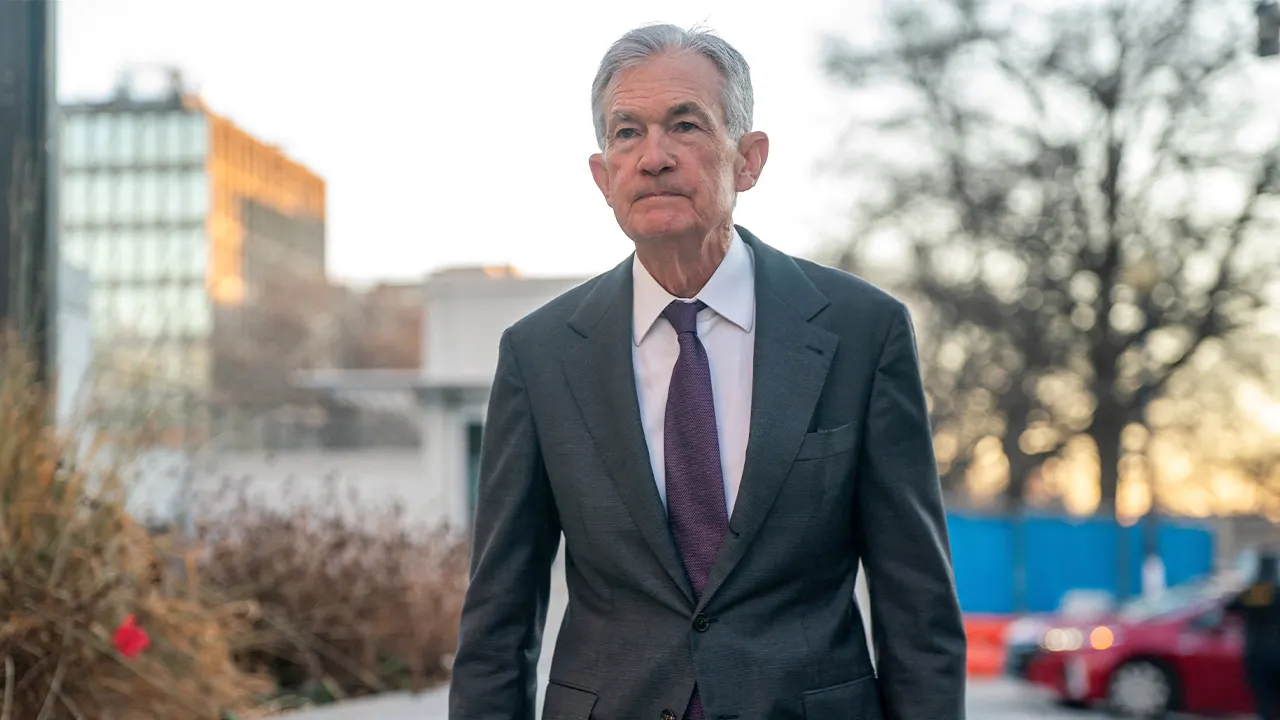
FOX Business White House correspondent Edward Lawrence reports as the Federal Reserve announces its decision to leave rates unchanged on Making Money.
Federal Reserve Chair Jerome Powell recently highlighted that a significant portion of American consumers are still seeking ways to “economize” their purchases. This trend is largely driven by the persistent inflation affecting household budgets across the nation.
During a press conference on Wednesday, Powell addressed the central bank’s decision to maintain interest rates at their current level, following a series of cuts totaling 25 basis points at the Federal Reserve’s three meetings concluding in 2025.
When questioned about the ongoing concerns regarding the cost of living, Powell acknowledged the disparity between wealthier consumers, who are benefiting from rising asset values, and less-affluent households that are struggling to make ends meet. He stated, “Higher-income households that tend to own real estate and stocks have seen their wealth increase, which supports spending over time. This is clearly part of the narrative.”
FED HOLDS INTEREST RATES STEADY, PAUSING RATE CUTS AMID ECONOMIC UNCERTAINTY
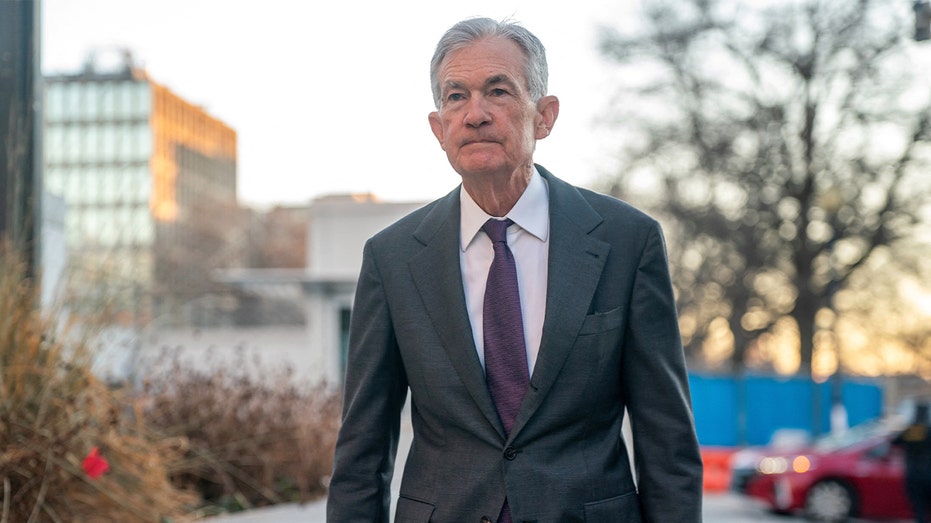
Federal Reserve Chair Jerome Powell stated that getting inflation back down to 2% is the best way the central bank can assist consumers. (Nathan Howard/Reuters)
Powell elaborated on the feedback from retailers serving lower-income customers, noting that many are adjusting their buying habits. “Consumers are trading down from brands and buying less,” he explained. “While they are still consuming, they are feeling the impact differently.”
He emphasized that the Fed frequently hears about affordability concerns from both businesses and households. “Focusing on returning inflation to the Fed’s 2% target is the most effective way to address these worries,” Powell stated.
JEROME POWELL OFFERS ADVICE FOR NEXT FED CHAIR, ADDRESSES HIS FUTURE AT CENTRAL BANK
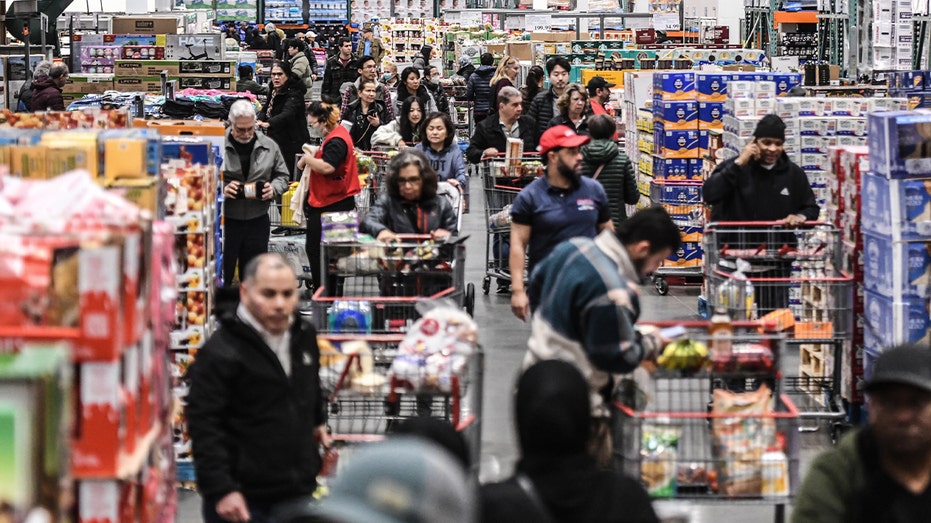
Powell noted that the Fed has received feedback from businesses and households about consumers looking to “economize” and “trading down” to save money. (Stephanie Keith/Bloomberg via Getty Images)
“We have a vast network through the Reserve Banks and the Board of Governors where we engage with small and large businesses and households,” Powell remarked. “We take affordability concerns very seriously, as one of our primary responsibilities is to maintain price stability.”
According to Powell, the best approach to assist those feeling financial pressure is to keep inflation in check and work towards achieving the goal of reducing inflation back to 2%.
The Fed’s preferred inflation gauge, the personal consumption expenditures (PCE) index, stood at 2.8% in November, showing an upward trend from a low of 2.2% last April. Powell indicated that estimates based on the latest consumer price index (CPI) data suggest that headline PCE reached 2.9% in December.
FORMER FED CHAIRS, TREASURY SECRETARIES DEFEND JEROME POWELL AMID TRUMP DOJ’S CRIMINAL PROBE
Powell attributed the recent rise in price growth to higher tariffs, which are part of the trade agenda initiated by the Trump administration. He noted, “These elevated readings largely reflect inflation in the goods sector, which has been impacted by tariffs. In contrast, disinflation appears to be continuing in the services sector.”
He further explained that the inflationary pressures from tariffs on imported goods are likely to be a one-time price increase unless new tariffs are imposed, which could exacerbate the financial strain on consumers.
GET FOX BUSINESS ON THE GO BY CLICKING HERE
Powell concluded by expressing optimism that the effects of tariffs on goods prices will peak and begin to decline, provided no new major tariff increases are introduced. “That’s what we expect to see over the course of this year,” he told FOX Business’ Edward Lawrence.
FOX Business White House correspondent Edward Lawrence reports as the Federal Reserve announces its decision to leave rates unchanged on Making Money.
Federal Reserve Chair Jerome Powell recently highlighted that a significant portion of American consumers are still seeking ways to “economize” their purchases. This trend is largely driven by the persistent inflation affecting household budgets across the nation.
During a press conference on Wednesday, Powell addressed the central bank’s decision to maintain interest rates at their current level, following a series of cuts totaling 25 basis points at the Federal Reserve’s three meetings concluding in 2025.
When questioned about the ongoing concerns regarding the cost of living, Powell acknowledged the disparity between wealthier consumers, who are benefiting from rising asset values, and less-affluent households that are struggling to make ends meet. He stated, “Higher-income households that tend to own real estate and stocks have seen their wealth increase, which supports spending over time. This is clearly part of the narrative.”
FED HOLDS INTEREST RATES STEADY, PAUSING RATE CUTS AMID ECONOMIC UNCERTAINTY
Federal Reserve Chair Jerome Powell stated that getting inflation back down to 2% is the best way the central bank can assist consumers. (Nathan Howard/Reuters)
Powell elaborated on the feedback from retailers serving lower-income customers, noting that many are adjusting their buying habits. “Consumers are trading down from brands and buying less,” he explained. “While they are still consuming, they are feeling the impact differently.”
He emphasized that the Fed frequently hears about affordability concerns from both businesses and households. “Focusing on returning inflation to the Fed’s 2% target is the most effective way to address these worries,” Powell stated.
JEROME POWELL OFFERS ADVICE FOR NEXT FED CHAIR, ADDRESSES HIS FUTURE AT CENTRAL BANK
Powell noted that the Fed has received feedback from businesses and households about consumers looking to “economize” and “trading down” to save money. (Stephanie Keith/Bloomberg via Getty Images)
“We have a vast network through the Reserve Banks and the Board of Governors where we engage with small and large businesses and households,” Powell remarked. “We take affordability concerns very seriously, as one of our primary responsibilities is to maintain price stability.”
According to Powell, the best approach to assist those feeling financial pressure is to keep inflation in check and work towards achieving the goal of reducing inflation back to 2%.
The Fed’s preferred inflation gauge, the personal consumption expenditures (PCE) index, stood at 2.8% in November, showing an upward trend from a low of 2.2% last April. Powell indicated that estimates based on the latest consumer price index (CPI) data suggest that headline PCE reached 2.9% in December.
FORMER FED CHAIRS, TREASURY SECRETARIES DEFEND JEROME POWELL AMID TRUMP DOJ’S CRIMINAL PROBE
Powell attributed the recent rise in price growth to higher tariffs, which are part of the trade agenda initiated by the Trump administration. He noted, “These elevated readings largely reflect inflation in the goods sector, which has been impacted by tariffs. In contrast, disinflation appears to be continuing in the services sector.”
He further explained that the inflationary pressures from tariffs on imported goods are likely to be a one-time price increase unless new tariffs are imposed, which could exacerbate the financial strain on consumers.
GET FOX BUSINESS ON THE GO BY CLICKING HERE
Powell concluded by expressing optimism that the effects of tariffs on goods prices will peak and begin to decline, provided no new major tariff increases are introduced. “That’s what we expect to see over the course of this year,” he told FOX Business’ Edward Lawrence.