Europe to Determine Acceptable Toxin Levels in Baby Formula
Europe’s food safety regulator is set to release guidance on acceptable levels of cereulide, a toxin linked to one of the largest infant formula recalls in history.
The European Food Safety Authority (EFSA) will establish an “acute reference dose” for cereulide in infant formula. This threshold will determine the level at which a recall would be necessary, as confirmed in an announcement on Wednesday that echoed an earlier report by Bloomberg News. Additionally, the EFSA will provide insights into typical and higher-end consumption levels of infant formula.
This initiative follows a significant recall by Nestlé SA, the world’s largest infant formula producer, which has pulled hundreds of products potentially contaminated with cereulide from shelves in over 60 countries. French authorities are currently investigating whether two infant deaths are connected to the consumption of Nestlé’s Guigoz formula.
Read more: Dairy Giants Rush to Recall Infant Formula After Expanding Contamination Scare
In response to the crisis, competitors such as Danone SA and Groupe Lactalis, along with smaller producers, have also initiated recalls. Nestlé traced the contamination back to arachidonic acid oil sourced from a single supplier, which has been identified as China’s Cabio Biotech Wuhan Co.
The timing of this recall poses challenges for Nestlé’s CEO, Philipp Navratil, who is focused on cost-cutting measures and enhancing the company’s performance. Bloomberg Intelligence’s Duncan Fox noted, “His mantra should now include quality through the supply chain after the recent infant milk formula recall that may harm Nestlé’s reputation more than its profitability.”
Despite stringent regulations in the infant formula industry, balancing infant nutrition and safety remains a challenge, particularly as companies extend their supply chains by incorporating additional ingredients to mimic breast milk more closely.
In 2020, the European Commission mandated the inclusion of docosahexaenoic acid (DHA) in infant formula, leading some pediatricians to recommend equal or higher quantities of arachidonic acid (ARA) oil. This has resulted in a significant increase in the use of ARA in formulas.
According to Beat Späth, the secretary-general of the trade group Specialised Nutrition Europe, EU legislation sets maximum levels for certain chemical contaminants in food. He emphasized the importance of the EFSA’s efforts to scientifically determine a harmonized threshold level for cereulide in infant formula. “This may or may not lead to additional recalls, but it should provide more clarity and regulatory certainty with an appropriate science-based threshold,” he stated.
The EFSA is expected to publish its opinion on cereulide next week. However, for this guidance to become policy, it must be adopted by the European Commission and EU member states. Nestlé has long advocated for the harmonization of national policies and testing procedures.
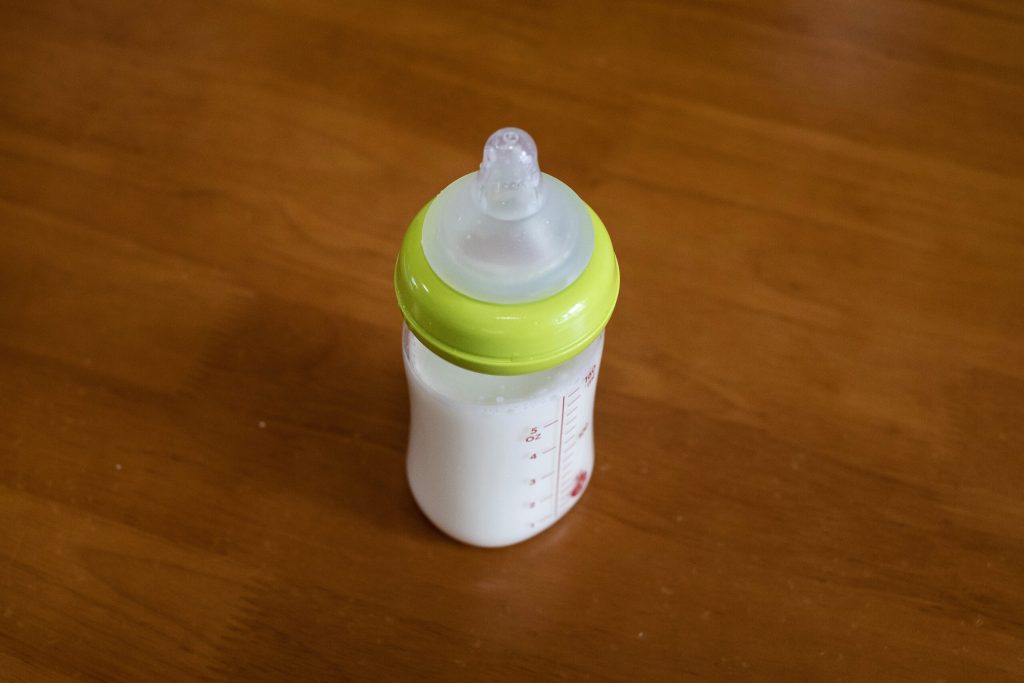
Photograph: A bottle of milk prepared from infant formula. Photo credit: Giulia Marchi/Bloomberg
Related:
Copyright 2026 Bloomberg.
Topics
Europe
The most important insurance news, in your inbox every business day.
Get the insurance industry’s trusted newsletter
Europe’s food safety regulator is set to release guidance on acceptable levels of cereulide, a toxin linked to one of the largest infant formula recalls in history.
The European Food Safety Authority (EFSA) will establish an “acute reference dose” for cereulide in infant formula. This threshold will determine the level at which a recall would be necessary, as confirmed in an announcement on Wednesday that echoed an earlier report by Bloomberg News. Additionally, the EFSA will provide insights into typical and higher-end consumption levels of infant formula.
This initiative follows a significant recall by Nestlé SA, the world’s largest infant formula producer, which has pulled hundreds of products potentially contaminated with cereulide from shelves in over 60 countries. French authorities are currently investigating whether two infant deaths are connected to the consumption of Nestlé’s Guigoz formula.
Read more: Dairy Giants Rush to Recall Infant Formula After Expanding Contamination Scare
In response to the crisis, competitors such as Danone SA and Groupe Lactalis, along with smaller producers, have also initiated recalls. Nestlé traced the contamination back to arachidonic acid oil sourced from a single supplier, which has been identified as China’s Cabio Biotech Wuhan Co.
The timing of this recall poses challenges for Nestlé’s CEO, Philipp Navratil, who is focused on cost-cutting measures and enhancing the company’s performance. Bloomberg Intelligence’s Duncan Fox noted, “His mantra should now include quality through the supply chain after the recent infant milk formula recall that may harm Nestlé’s reputation more than its profitability.”
Despite stringent regulations in the infant formula industry, balancing infant nutrition and safety remains a challenge, particularly as companies extend their supply chains by incorporating additional ingredients to mimic breast milk more closely.
In 2020, the European Commission mandated the inclusion of docosahexaenoic acid (DHA) in infant formula, leading some pediatricians to recommend equal or higher quantities of arachidonic acid (ARA) oil. This has resulted in a significant increase in the use of ARA in formulas.
According to Beat Späth, the secretary-general of the trade group Specialised Nutrition Europe, EU legislation sets maximum levels for certain chemical contaminants in food. He emphasized the importance of the EFSA’s efforts to scientifically determine a harmonized threshold level for cereulide in infant formula. “This may or may not lead to additional recalls, but it should provide more clarity and regulatory certainty with an appropriate science-based threshold,” he stated.
The EFSA is expected to publish its opinion on cereulide next week. However, for this guidance to become policy, it must be adopted by the European Commission and EU member states. Nestlé has long advocated for the harmonization of national policies and testing procedures.
Photograph: A bottle of milk prepared from infant formula. Photo credit: Giulia Marchi/Bloomberg
Related:
Copyright 2026 Bloomberg.
Topics
Europe
The most important insurance news, in your inbox every business day.
Get the insurance industry’s trusted newsletter