Lockheed Martin Boosts THAAD Missile Defense Production Fourfold in Response to Trump Pressure
Lockheed Martin CEO Jim Taiclet discusses the defense giant’s new Pentagon contract, missile production, and growth strategy on ‘Mornings with Maria.’
Lockheed Martin is making significant strides in missile defense production, with CEO Jim Taiclet announcing a multi-billion dollar investment aimed at quadrupling the output of the Terminal High Altitude Area Defense (THAAD) system. This move comes in response to the Trump administration’s call for defense contractors to prioritize weapons manufacturing over stock market interests.
“We heard President Trump’s guidance loud and clear,” Taiclet stated during an interview with FOX Business. He emphasized the importance of focusing on production rather than stock buybacks, which have been a point of contention in recent discussions about defense spending.
Lockheed Martin’s financial strategy reflects this commitment, with plans to increase capital spending and independent research and development from $3.6 billion in 2025 to $5 billion in 2026—a 35% increase aimed at aligning with the administration’s directives.
WAR SECRETARY HEGSETH HIGHLIGHTS US ‘DRONE DOMINANCE’ PUSH FOR MASS ADOPTION IN MODERN WARFARE
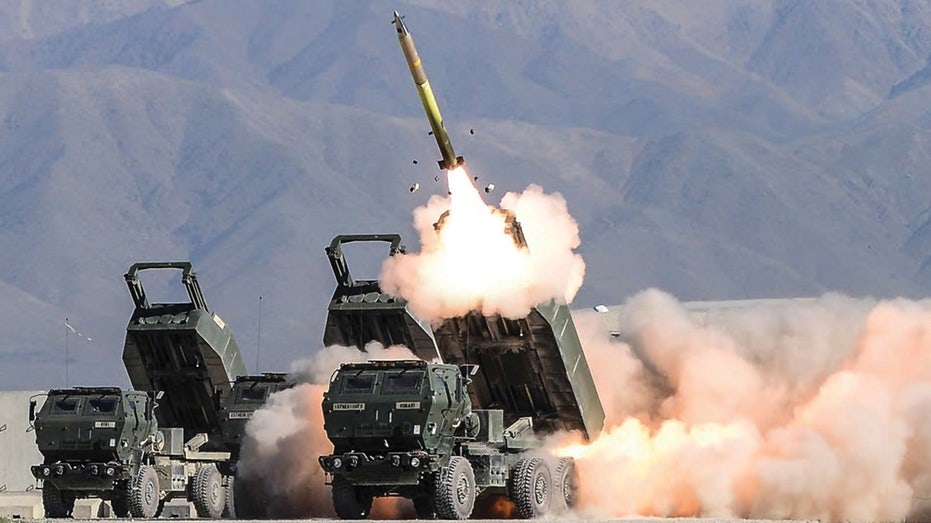
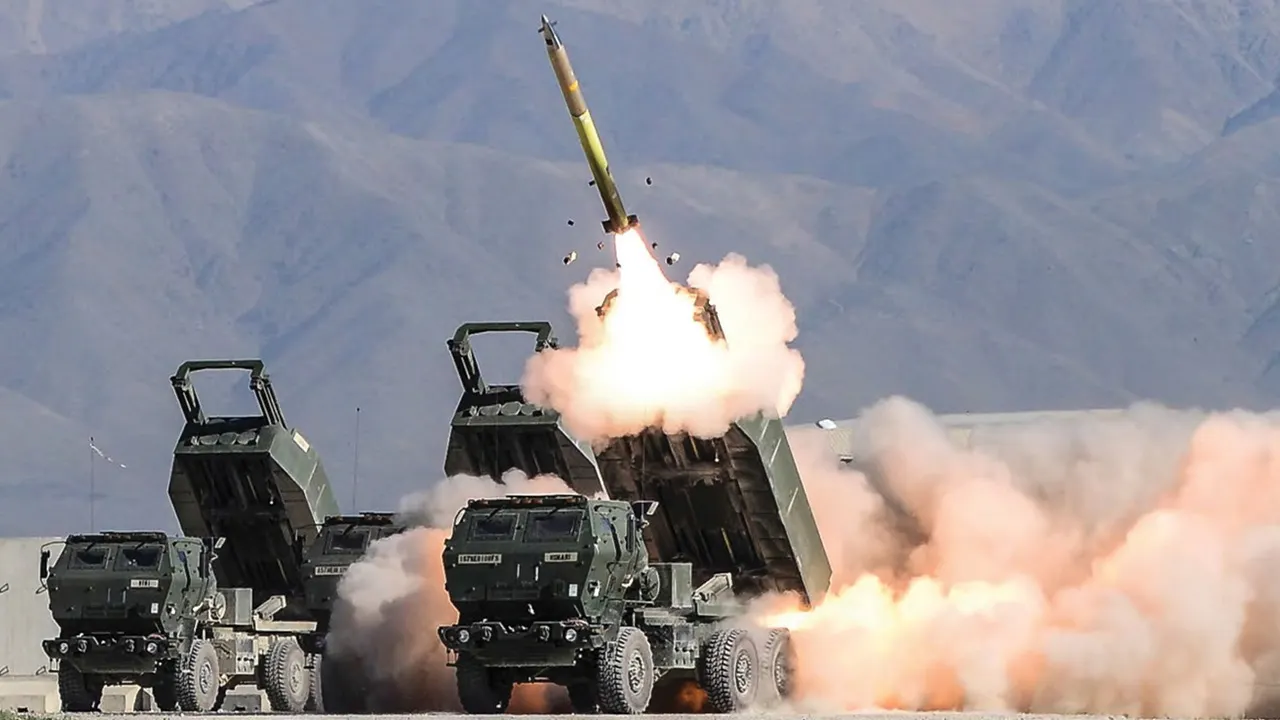
A GMLRS is fired from Lockheed Martin’s HIMARS launcher in this undated photo. (Courtesy: US Army)
“That’s Lockheed Martin’s strategy,” Taiclet explained, highlighting that the increased investment is designed to foster internal growth and support the Department of War’s objectives. This announcement coincides with Lockheed’s plans to ramp up THAAD production from approximately 96 units to 400 annually over the next three years. Additionally, the company has broken ground on a new munitions acceleration center in Arkansas to meet the rising demand for defense capabilities.
LOCKHEED MARTIN’S SKUNK WORKS UNVEILS STEALTH COMBAT DRONE
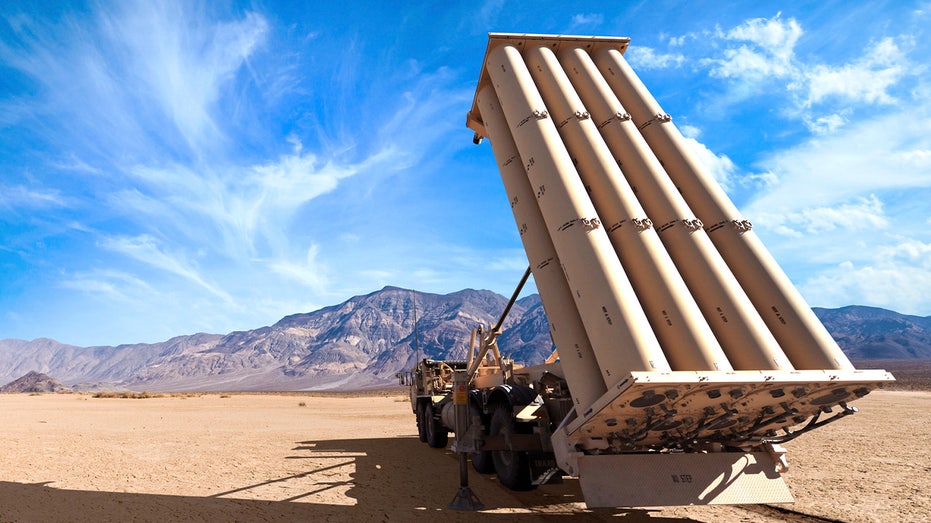
This rendered image from Lockheed Martin showcases a THAAD missile defense system. (Courtesy: MFC Product Photos)
Following these announcements, Lockheed Martin’s shares experienced a 6% increase after the company reported its earnings and updated its financial outlook. President Trump has been vocal about his concerns regarding defense contractors diverting funds to shareholders instead of investing in production capabilities.
“Defense contractors are currently issuing massive dividends to their shareholders and massive stock buybacks, at the expense and detriment of investing in plants and equipment,” Trump remarked in a recent post on Truth Social.
GET FOX BUSINESS ON THE GO BY CLICKING HERE
FOX Business correspondent Madison Alworth reports from the annual A.I. Summit in New York City, detailing Ford Motor Company’s use of artificial intelligence for proprietary wind-tunnel simulations and Lockheed Martin’s new Astris A.I. on ‘The Clama
“This situation will no longer be allowed or tolerated!”
Moreover, this investment initiative follows a significant seven-year agreement with the Department of War to more than triple the production of PAC-3 MSE interceptors, aiming for an annual output of about 2,000 missiles.
Lockheed Martin CEO Jim Taiclet discusses the defense giant’s new Pentagon contract, missile production, and growth strategy on ‘Mornings with Maria.’
Lockheed Martin is making significant strides in missile defense production, with CEO Jim Taiclet announcing a multi-billion dollar investment aimed at quadrupling the output of the Terminal High Altitude Area Defense (THAAD) system. This move comes in response to the Trump administration’s call for defense contractors to prioritize weapons manufacturing over stock market interests.
“We heard President Trump’s guidance loud and clear,” Taiclet stated during an interview with FOX Business. He emphasized the importance of focusing on production rather than stock buybacks, which have been a point of contention in recent discussions about defense spending.
Lockheed Martin’s financial strategy reflects this commitment, with plans to increase capital spending and independent research and development from $3.6 billion in 2025 to $5 billion in 2026—a 35% increase aimed at aligning with the administration’s directives.
WAR SECRETARY HEGSETH HIGHLIGHTS US ‘DRONE DOMINANCE’ PUSH FOR MASS ADOPTION IN MODERN WARFARE
A GMLRS is fired from Lockheed Martin’s HIMARS launcher in this undated photo. (Courtesy: US Army)
“That’s Lockheed Martin’s strategy,” Taiclet explained, highlighting that the increased investment is designed to foster internal growth and support the Department of War’s objectives. This announcement coincides with Lockheed’s plans to ramp up THAAD production from approximately 96 units to 400 annually over the next three years. Additionally, the company has broken ground on a new munitions acceleration center in Arkansas to meet the rising demand for defense capabilities.
LOCKHEED MARTIN’S SKUNK WORKS UNVEILS STEALTH COMBAT DRONE
This rendered image from Lockheed Martin showcases a THAAD missile defense system. (Courtesy: MFC Product Photos)
Following these announcements, Lockheed Martin’s shares experienced a 6% increase after the company reported its earnings and updated its financial outlook. President Trump has been vocal about his concerns regarding defense contractors diverting funds to shareholders instead of investing in production capabilities.
“Defense contractors are currently issuing massive dividends to their shareholders and massive stock buybacks, at the expense and detriment of investing in plants and equipment,” Trump remarked in a recent post on Truth Social.
GET FOX BUSINESS ON THE GO BY CLICKING HERE
FOX Business correspondent Madison Alworth reports from the annual A.I. Summit in New York City, detailing Ford Motor Company’s use of artificial intelligence for proprietary wind-tunnel simulations and Lockheed Martin’s new Astris A.I. on ‘The Clama
“This situation will no longer be allowed or tolerated!”
Moreover, this investment initiative follows a significant seven-year agreement with the Department of War to more than triple the production of PAC-3 MSE interceptors, aiming for an annual output of about 2,000 missiles.