Federal Reserve Connects Tariffs to Declining US Employment Growth Rates
Columbia Sportswear CEO Tim Boyle discusses the impact of tariffs on products and holiday shopping during an exclusive interview on ‘The Claman Countdown.’
An analysis by the Federal Reserve Bank of Kansas City reveals that tariffs may have slowed job growth in the U.S. economy in 2025 following the implementation of higher import taxes.
According to economists at the Kansas City Fed, employment growth significantly declined from an average of 170,000 jobs per month in 2024 to just 75,000 per month through August 2025. This trend has been closely monitored by Fed policymakers, contributing to three interest rate cuts during meetings in September, October, and December.
The report indicates that tariffs can either increase or decrease labor demand in the economy. The higher tariffs enacted by the Trump administration coincided with other factors influencing the workforce, including the rise of artificial intelligence (AI), an aging population, and decreased immigration.
“Overall, our findings suggest — at least thus far — that domestic firms might have added fewer jobs in response to tariffs, similar to the employment effects observed from the 2018 tariffs,” the economists concluded.
US ECONOMY EXPECTED TO GROW FASTER IN 2026 DESPITE STAGNANT JOB MARKET: GOLDMAN SACHS
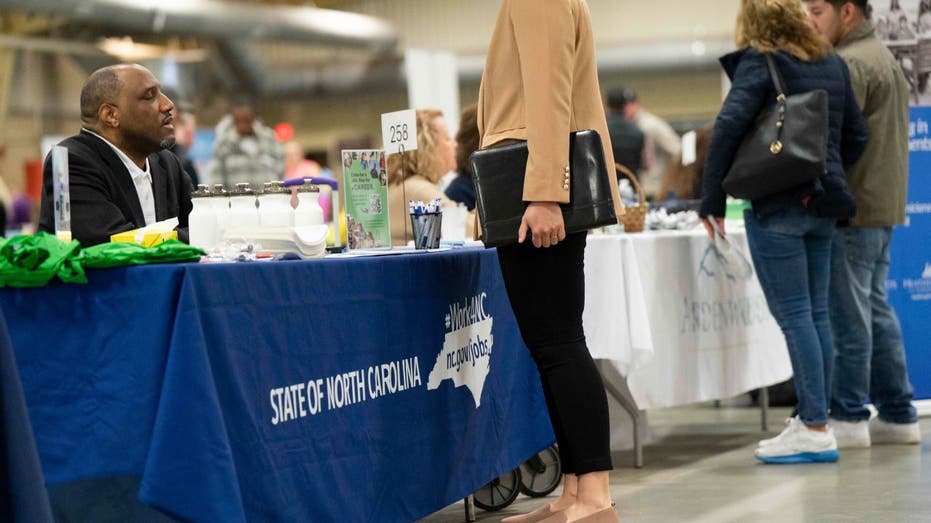
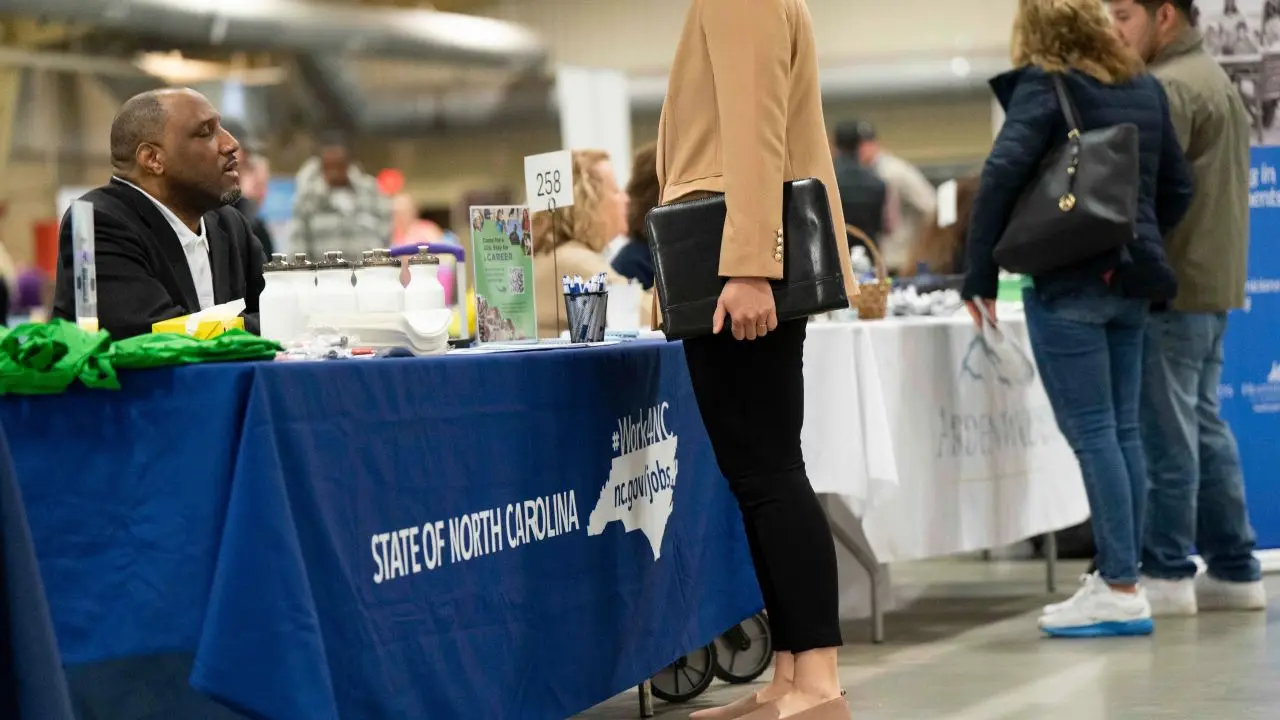
Tariffs may have suppressed job growth in the U.S. economy, according to the Kansas City Fed’s analysis. (Allison Joyce/Bloomberg via Getty Images)
The analysis utilized a sector’s exposure to imports as a measure of how vulnerable businesses in those industries are, revealing that job growth in sectors with higher tariff exposure was slower compared to those with less exposure.
Job growth across nearly all sectors in 2025 fell below the averages seen in 2022-23, reflecting a strong post-pandemic recovery in those earlier years contrasted with the recent slowdown. The economists noted that sectors more affected by tariffs experienced a more significant decline in job growth, attributing this to direct tariff impacts.
SMALL BUSINESSES LEAD NOVEMBER JOB LOSSES AS TARIFF UNCERTAINTY WEIGHS ON HIRING
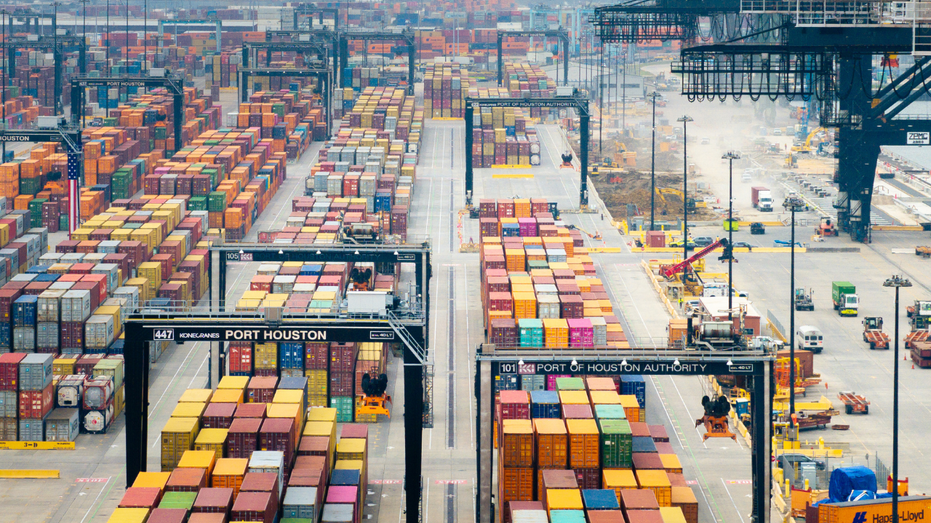
Tariffs are taxes on imported goods that are paid by the importer, who typically passes some of the higher costs on to consumers through higher prices. (Brandon Bell/Getty Images)
“Therefore, tariffs have likely reduced employment growth, though there is considerable uncertainty around the exact effect, and we cannot rule out that tariffs had no direct effect on employment growth,” the economists noted.
The analysis also estimated the potential number of additional jobs that could have been created in the economy without the direct effects of tariffs suppressing hiring.
TARIFFS HAVE SURPRISING EFFECT ON UNEMPLOYMENT AND INFLATION PATTERNS, FED ANALYSIS REVEALS
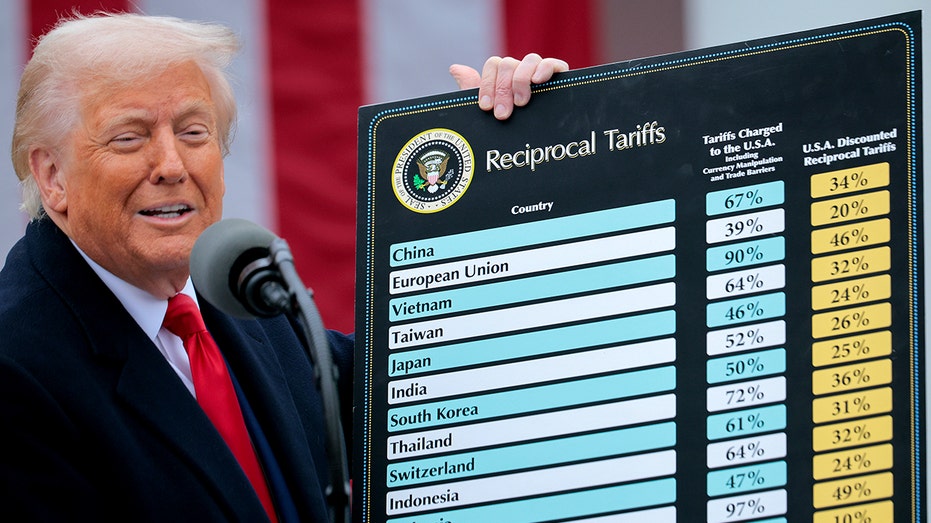
President Donald Trump unveiled significantly higher tariffs in April 2025. (Chip Somodevilla/Getty Images)
The Kansas City Fed economists estimated that the economy could have added an average of 19,000 more jobs each month from January 2025 to August 2025 without the effects of tariffs. However, they acknowledged considerable uncertainty surrounding this estimate.
Based on this average, it is suggested that if the labor force remains constant, tariffs may have increased the unemployment rate by 0.1 percentage points.
GET FOX BUSINESS ON THE GO BY CLICKING HERE
The latest data from the Bureau of Labor Statistics indicates that the unemployment rate rose to 4.4% in December, following an initially reported rate of 4.6% in November, marking the highest level since September 2021. The November figure was later revised down to 4.5% after a routine population adjustment in the latest report.
Columbia Sportswear CEO Tim Boyle discusses the impact of tariffs on products and holiday shopping during an exclusive interview on ‘The Claman Countdown.’
An analysis by the Federal Reserve Bank of Kansas City reveals that tariffs may have slowed job growth in the U.S. economy in 2025 following the implementation of higher import taxes.
According to economists at the Kansas City Fed, employment growth significantly declined from an average of 170,000 jobs per month in 2024 to just 75,000 per month through August 2025. This trend has been closely monitored by Fed policymakers, contributing to three interest rate cuts during meetings in September, October, and December.
The report indicates that tariffs can either increase or decrease labor demand in the economy. The higher tariffs enacted by the Trump administration coincided with other factors influencing the workforce, including the rise of artificial intelligence (AI), an aging population, and decreased immigration.
“Overall, our findings suggest — at least thus far — that domestic firms might have added fewer jobs in response to tariffs, similar to the employment effects observed from the 2018 tariffs,” the economists concluded.
US ECONOMY EXPECTED TO GROW FASTER IN 2026 DESPITE STAGNANT JOB MARKET: GOLDMAN SACHS
Tariffs may have suppressed job growth in the U.S. economy, according to the Kansas City Fed’s analysis. (Allison Joyce/Bloomberg via Getty Images)
The analysis utilized a sector’s exposure to imports as a measure of how vulnerable businesses in those industries are, revealing that job growth in sectors with higher tariff exposure was slower compared to those with less exposure.
Job growth across nearly all sectors in 2025 fell below the averages seen in 2022-23, reflecting a strong post-pandemic recovery in those earlier years contrasted with the recent slowdown. The economists noted that sectors more affected by tariffs experienced a more significant decline in job growth, attributing this to direct tariff impacts.
SMALL BUSINESSES LEAD NOVEMBER JOB LOSSES AS TARIFF UNCERTAINTY WEIGHS ON HIRING
Tariffs are taxes on imported goods that are paid by the importer, who typically passes some of the higher costs on to consumers through higher prices. (Brandon Bell/Getty Images)
“Therefore, tariffs have likely reduced employment growth, though there is considerable uncertainty around the exact effect, and we cannot rule out that tariffs had no direct effect on employment growth,” the economists noted.
The analysis also estimated the potential number of additional jobs that could have been created in the economy without the direct effects of tariffs suppressing hiring.
TARIFFS HAVE SURPRISING EFFECT ON UNEMPLOYMENT AND INFLATION PATTERNS, FED ANALYSIS REVEALS
President Donald Trump unveiled significantly higher tariffs in April 2025. (Chip Somodevilla/Getty Images)
The Kansas City Fed economists estimated that the economy could have added an average of 19,000 more jobs each month from January 2025 to August 2025 without the effects of tariffs. However, they acknowledged considerable uncertainty surrounding this estimate.
Based on this average, it is suggested that if the labor force remains constant, tariffs may have increased the unemployment rate by 0.1 percentage points.
GET FOX BUSINESS ON THE GO BY CLICKING HERE
The latest data from the Bureau of Labor Statistics indicates that the unemployment rate rose to 4.4% in December, following an initially reported rate of 4.6% in November, marking the highest level since September 2021. The November figure was later revised down to 4.5% after a routine population adjustment in the latest report.