Ex-Google Engineer Linwei Ding Found Guilty of Stealing AI Trade Secrets for China

Constellation Research founder details Palantir’s military AI, OpenAI’s health-tech acquisition, and Apple’s Gemini partnership on ‘Varney & Co.’
A federal jury has found a former Google engineer guilty of stealing artificial intelligence (AI) trade secrets and spying for Chinese tech companies, marking the conclusion of a high-profile trial in Silicon Valley.
Linwei Ding, also known as Leon Ding, was convicted on all counts following an 11-day trial in U.S. District Court in San Francisco. Court documents obtained by FOX Business reveal that prosecutors accused Ding of secretly pilfering proprietary AI-related data from Google while collaborating with companies linked to the People’s Republic of China.
At 38 years old, Ding was hired by Google in 2019 as a software engineer, focusing on the company’s supercomputing data centers that play a crucial role in training and deploying advanced AI models.
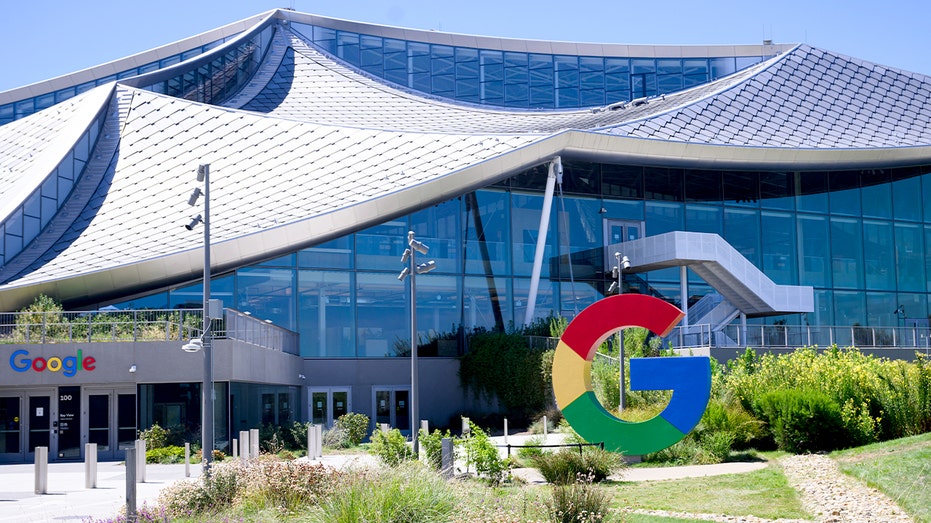
A giant Google logo is seen at Google’s Bay View campus in Mountain View, California, on Aug. 13, 2024 (Josh Edelson/AFP via Getty Images / Getty Images)
The jury found Ding guilty on seven counts of theft of trade secrets and seven counts of economic espionage, concluding that he had stolen confidential AI technology while employed at Google. The stolen information included proprietary hardware and software systems essential for powering AI workloads, such as custom chips and networking technology.
According to federal prosecutors, Ding began copying sensitive internal Google documents in May 2022, transferring files to personal cloud accounts while attempting to evade security systems. The government reported that Ding transferred over 1,000 unique files, totaling approximately 14,000 pages, with 105 documents forming the core of the criminal case.
STATE DEPARTMENT EMPLOYEE ALLEGEDLY REMOVED CLASSIFIED DOCS, MET WITH CHINESE OFFICIALS
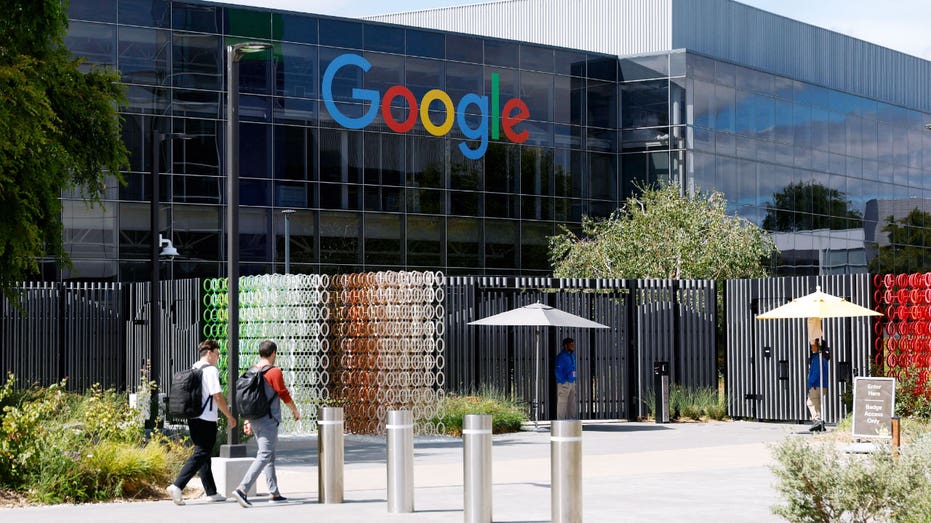
An ex-Google employee has been convicted of charges alleging he stole AI secrets for Chinese firms. (Justin Sullivan/Getty Images / Getty Images)
Defense attorneys argued that Ding never sold or used the information and claimed that Google failed to adequately protect its documents. “We respect the jury’s verdict, but we are obviously disappointed,” said Ding’s attorney, Grant Fondo of Goodwin Procter, following the verdict announcement.
Ding was initially indicted in March 2024, with a superseding indictment filed on February 4, 2025, expanding the charges against him. Prosecutors alleged that Ding had secretly affiliated with two China-based technology firms, including serving as chief technology officer for one and founding another while still employed at Google.
The indictment also accused Ding of misleading investors by claiming he could replicate Google’s AI supercomputing technology.
CHINESE NATIONAL CHARGED WITH PHOTOGRAPHING US STEALTH BOMBER BASE AFTER ILLEGAL ENTRY
The Federal Bureau of Investigation headquarters building in Washington D.C., on July 3, 2023. (Photo by Celal Güneş/Anadolu Agency via Getty Images / Getty Images)
U.S. Attorney Craig H. Missakian stated that the jury “delivered a clear message today that the theft of this valuable technology will not go unpunished,” emphasizing that authorities will “vigorously protect American intellectual capital.”
FBI San Francisco Special Agent in Charge Sanjay Virmani echoed this sentiment, labeling the case as a matter of national security. “The theft and misuse of advanced artificial intelligence technology for the benefit of the People’s Republic of China threatens our technological edge and economic competitiveness,” he stated.
U.S. District Judge Vince Chhabria ordered Ding to be released pending sentencing, determining that he was not a flight risk. Ding faces up to 10 years in prison for each theft count and up to 15 years for each espionage count, along with potential fines in the millions.
His next court appearance is scheduled for February 3, when sentencing proceedings are expected to commence. FOX Business has reached out to the Department of Justice and Google for further comment.
Constellation Research founder details Palantir’s military AI, OpenAI’s health-tech acquisition, and Apple’s Gemini partnership on ‘Varney & Co.’
A federal jury has found a former Google engineer guilty of stealing artificial intelligence (AI) trade secrets and spying for Chinese tech companies, marking the conclusion of a high-profile trial in Silicon Valley.
Linwei Ding, also known as Leon Ding, was convicted on all counts following an 11-day trial in U.S. District Court in San Francisco. Court documents obtained by FOX Business reveal that prosecutors accused Ding of secretly pilfering proprietary AI-related data from Google while collaborating with companies linked to the People’s Republic of China.
At 38 years old, Ding was hired by Google in 2019 as a software engineer, focusing on the company’s supercomputing data centers that play a crucial role in training and deploying advanced AI models.
A giant Google logo is seen at Google’s Bay View campus in Mountain View, California, on Aug. 13, 2024 (Josh Edelson/AFP via Getty Images / Getty Images)
The jury found Ding guilty on seven counts of theft of trade secrets and seven counts of economic espionage, concluding that he had stolen confidential AI technology while employed at Google. The stolen information included proprietary hardware and software systems essential for powering AI workloads, such as custom chips and networking technology.
According to federal prosecutors, Ding began copying sensitive internal Google documents in May 2022, transferring files to personal cloud accounts while attempting to evade security systems. The government reported that Ding transferred over 1,000 unique files, totaling approximately 14,000 pages, with 105 documents forming the core of the criminal case.
STATE DEPARTMENT EMPLOYEE ALLEGEDLY REMOVED CLASSIFIED DOCS, MET WITH CHINESE OFFICIALS
An ex-Google employee has been convicted of charges alleging he stole AI secrets for Chinese firms. (Justin Sullivan/Getty Images / Getty Images)
Defense attorneys argued that Ding never sold or used the information and claimed that Google failed to adequately protect its documents. “We respect the jury’s verdict, but we are obviously disappointed,” said Ding’s attorney, Grant Fondo of Goodwin Procter, following the verdict announcement.
Ding was initially indicted in March 2024, with a superseding indictment filed on February 4, 2025, expanding the charges against him. Prosecutors alleged that Ding had secretly affiliated with two China-based technology firms, including serving as chief technology officer for one and founding another while still employed at Google.
The indictment also accused Ding of misleading investors by claiming he could replicate Google’s AI supercomputing technology.
CHINESE NATIONAL CHARGED WITH PHOTOGRAPHING US STEALTH BOMBER BASE AFTER ILLEGAL ENTRY
The Federal Bureau of Investigation headquarters building in Washington D.C., on July 3, 2023. (Photo by Celal Güneş/Anadolu Agency via Getty Images / Getty Images)
U.S. Attorney Craig H. Missakian stated that the jury “delivered a clear message today that the theft of this valuable technology will not go unpunished,” emphasizing that authorities will “vigorously protect American intellectual capital.”
FBI San Francisco Special Agent in Charge Sanjay Virmani echoed this sentiment, labeling the case as a matter of national security. “The theft and misuse of advanced artificial intelligence technology for the benefit of the People’s Republic of China threatens our technological edge and economic competitiveness,” he stated.
U.S. District Judge Vince Chhabria ordered Ding to be released pending sentencing, determining that he was not a flight risk. Ding faces up to 10 years in prison for each theft count and up to 15 years for each espionage count, along with potential fines in the millions.
His next court appearance is scheduled for February 3, when sentencing proceedings are expected to commence. FOX Business has reached out to the Department of Justice and Google for further comment.