Concerns Rise in the South Following Days of Snow, Ice, and Power Outages
Earlier this week, parts of the South faced dire conditions as they grappled with subfreezing temperatures and widespread power outages. Major highways became gridlocked, stranding vehicles for hours, while officials warned that many people stuck at home were running low on food, medicine, and other essentials.
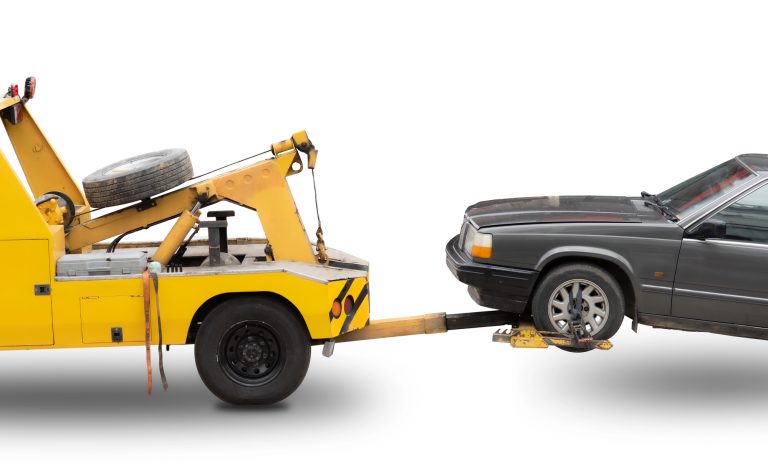
In response, Mississippi dispatched 135 snowplows and National Guard troops equipped with wreckers to assist on Interstates 55 and 22, where vehicles were abandoned in the ice-stricken northern region. Tens of thousands of homes and businesses remained without power as daytime temperatures struggled to stay above freezing, a situation particularly challenging for a region unaccustomed to such severe weather.
As cars and semitrucks attempted to navigate the frozen highways, many became stuck. Fortunately, no injuries were reported, according to the Mississippi Department of Public Safety. However, one driver, Samantha Lewis, 78, recounted her fear of freezing to death on I-22 after her car sat idle for over 14 hours. “There was nowhere to go, nothing to do, no one to save us,” she said.
“Calls of Desperation”
The growing anxiety and misery are attributed to what Mississippi officials are calling the state’s worst winter storm in over 30 years. By Wednesday, approximately 332,000 homes and businesses were still without power, primarily in Tennessee and Mississippi. Tragically, at least 70 people have died across the U.S. due to the extreme cold.
In Hardin County, Tennessee, near the Mississippi state line, many residents remained trapped in homes without electricity, as roads became impassable due to ice and fallen trees. LaRae Sliger, the county’s emergency management director, noted that those who were prepared for a couple of days without power were now in desperate need of assistance.
“They’re cold, they don’t have power, they don’t have heat, they’re out of propane, they’re out of wood, they’re out of kerosene for their kerosene heaters,” Sliger explained. “They have no food, they have no additional fuel for their alternative heating sources, so they’re needing help.”
In northeast Mississippi, emergency managers in Alcorn County received numerous “calls of desperation” from residents running out of food, water, and medication. Evan Gibens, the emergency agency’s director, reported that dispatchers had fielded over 2,000 calls since Friday. “We are doing everything we possibly can,” he said, noting that 200 people were staying at a local arena serving as a warming shelter.
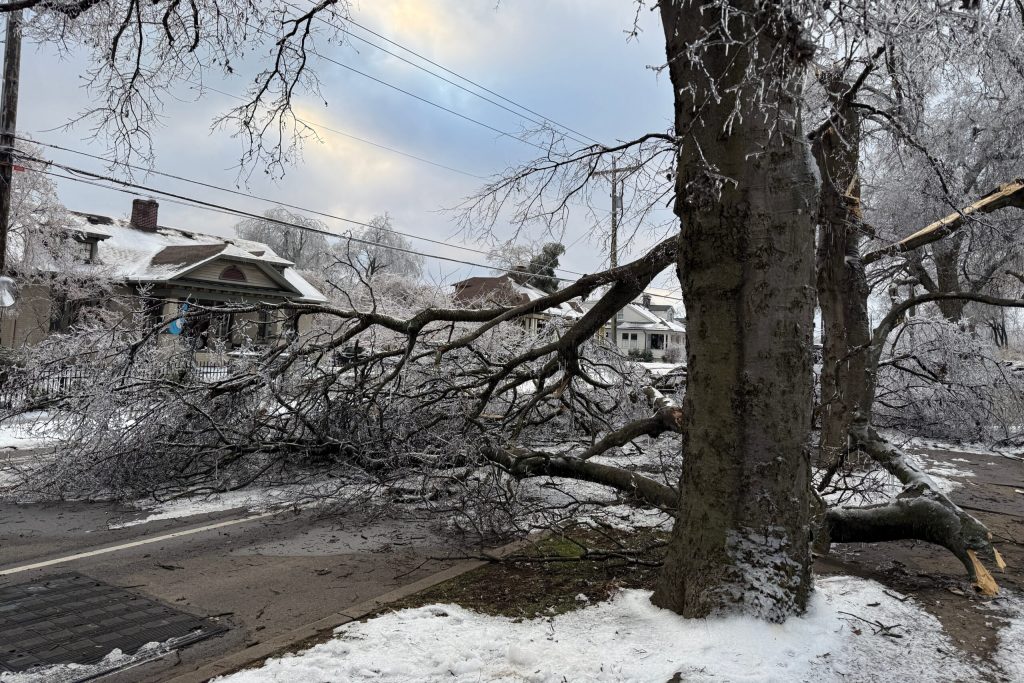
In Nashville, Tennessee, more than 100,000 outages persisted, with downed trees and snapped power lines blocking access to certain areas. Utility workers estimated that restoring power could take at least until the weekend, if not longer, according to Brent Baker, a vice president at Nashville Electric Service.
Forecasters predict that the subfreezing weather will linger in the eastern U.S. into February, with a new influx of arctic air expected this weekend. There is also a growing possibility of heavy snow in the Carolinas and Virginia.
The National Weather Service indicated that while the chances of significant snowfall in places like Nashville are low, weekend temperatures are expected to plummet to dangerously low single digits, with wind chills dipping below zero.
An ‘Extremely Frightening’ Night on a Frozen Highway
The impasse on Mississippi interstates began Tuesday when drivers started using single lanes that the state’s transportation agency had attempted to keep open for emergency vehicles. As cars and semitrucks became stuck, it complicated efforts for authorities to distribute emergency supplies. Scott Simmons, spokesperson for the Mississippi Emergency Management Agency, noted that drivers had to find alternate routes to avoid the backups.
Samantha Lewis and her friend, Catherine Muldoon, were traveling from Florida to Oklahoma when they got stuck on I-22 around noon Tuesday. For hours, they alternated between running their car for 15 minutes to warm up and shutting it off for 45 minutes to conserve fuel. Finally, around 3:30 a.m. Wednesday, they followed a pickup truck on one of the ice-covered, traffic-free lanes to reach a gas station. “It was extremely frightening,” Muldoon recalled. “If we didn’t have the blankets and clothing that we had, it would have been dire straits.”
By 3 a.m. Wednesday, all passenger vehicles had been cleared from the frozen highways, according to the Mississippi Department of Public Safety. However, long lines of commercial trucks remained, awaiting removal hours later.
In the small community of Red Banks, Mississippi, local authorities appealed for assistance from those with all-terrain vehicles to bring water, food, blankets, or gas to stranded motorists. Lacey Clancy, who works at a cafe near I-22, described the highway as looking like a parking lot, with many people having run out of gas and abandoned their vehicles.
Angie Gresham, a resident of nearby Holly Springs, reported that hundreds of stranded vehicles lined I-22 and city streets, with truck drivers searching for stores and restaurants that still had power. “They’re just trying to survive,” Gresham said.
Photo: A neighborhood in Nashville this week (AP Photo/Travis Loller)
Copyright 2026 Associated Press. All rights reserved. This material may not be published, broadcast, rewritten or redistributed.
Earlier this week, parts of the South faced dire conditions as they grappled with subfreezing temperatures and widespread power outages. Major highways became gridlocked, stranding vehicles for hours, while officials warned that many people stuck at home were running low on food, medicine, and other essentials.
In response, Mississippi dispatched 135 snowplows and National Guard troops equipped with wreckers to assist on Interstates 55 and 22, where vehicles were abandoned in the ice-stricken northern region. Tens of thousands of homes and businesses remained without power as daytime temperatures struggled to stay above freezing, a situation particularly challenging for a region unaccustomed to such severe weather.
As cars and semitrucks attempted to navigate the frozen highways, many became stuck. Fortunately, no injuries were reported, according to the Mississippi Department of Public Safety. However, one driver, Samantha Lewis, 78, recounted her fear of freezing to death on I-22 after her car sat idle for over 14 hours. “There was nowhere to go, nothing to do, no one to save us,” she said.
“Calls of Desperation”
The growing anxiety and misery are attributed to what Mississippi officials are calling the state’s worst winter storm in over 30 years. By Wednesday, approximately 332,000 homes and businesses were still without power, primarily in Tennessee and Mississippi. Tragically, at least 70 people have died across the U.S. due to the extreme cold.
In Hardin County, Tennessee, near the Mississippi state line, many residents remained trapped in homes without electricity, as roads became impassable due to ice and fallen trees. LaRae Sliger, the county’s emergency management director, noted that those who were prepared for a couple of days without power were now in desperate need of assistance.
“They’re cold, they don’t have power, they don’t have heat, they’re out of propane, they’re out of wood, they’re out of kerosene for their kerosene heaters,” Sliger explained. “They have no food, they have no additional fuel for their alternative heating sources, so they’re needing help.”
In northeast Mississippi, emergency managers in Alcorn County received numerous “calls of desperation” from residents running out of food, water, and medication. Evan Gibens, the emergency agency’s director, reported that dispatchers had fielded over 2,000 calls since Friday. “We are doing everything we possibly can,” he said, noting that 200 people were staying at a local arena serving as a warming shelter.
In Nashville, Tennessee, more than 100,000 outages persisted, with downed trees and snapped power lines blocking access to certain areas. Utility workers estimated that restoring power could take at least until the weekend, if not longer, according to Brent Baker, a vice president at Nashville Electric Service.
Forecasters predict that the subfreezing weather will linger in the eastern U.S. into February, with a new influx of arctic air expected this weekend. There is also a growing possibility of heavy snow in the Carolinas and Virginia.
The National Weather Service indicated that while the chances of significant snowfall in places like Nashville are low, weekend temperatures are expected to plummet to dangerously low single digits, with wind chills dipping below zero.
An ‘Extremely Frightening’ Night on a Frozen Highway
The impasse on Mississippi interstates began Tuesday when drivers started using single lanes that the state’s transportation agency had attempted to keep open for emergency vehicles. As cars and semitrucks became stuck, it complicated efforts for authorities to distribute emergency supplies. Scott Simmons, spokesperson for the Mississippi Emergency Management Agency, noted that drivers had to find alternate routes to avoid the backups.
Samantha Lewis and her friend, Catherine Muldoon, were traveling from Florida to Oklahoma when they got stuck on I-22 around noon Tuesday. For hours, they alternated between running their car for 15 minutes to warm up and shutting it off for 45 minutes to conserve fuel. Finally, around 3:30 a.m. Wednesday, they followed a pickup truck on one of the ice-covered, traffic-free lanes to reach a gas station. “It was extremely frightening,” Muldoon recalled. “If we didn’t have the blankets and clothing that we had, it would have been dire straits.”
By 3 a.m. Wednesday, all passenger vehicles had been cleared from the frozen highways, according to the Mississippi Department of Public Safety. However, long lines of commercial trucks remained, awaiting removal hours later.
In the small community of Red Banks, Mississippi, local authorities appealed for assistance from those with all-terrain vehicles to bring water, food, blankets, or gas to stranded motorists. Lacey Clancy, who works at a cafe near I-22, described the highway as looking like a parking lot, with many people having run out of gas and abandoned their vehicles.
Angie Gresham, a resident of nearby Holly Springs, reported that hundreds of stranded vehicles lined I-22 and city streets, with truck drivers searching for stores and restaurants that still had power. “They’re just trying to survive,” Gresham said.
Photo: A neighborhood in Nashville this week (AP Photo/Travis Loller)
Copyright 2026 Associated Press. All rights reserved. This material may not be published, broadcast, rewritten or redistributed.