Larry Kudlow Affirms Trump’s Insight on Tariffs
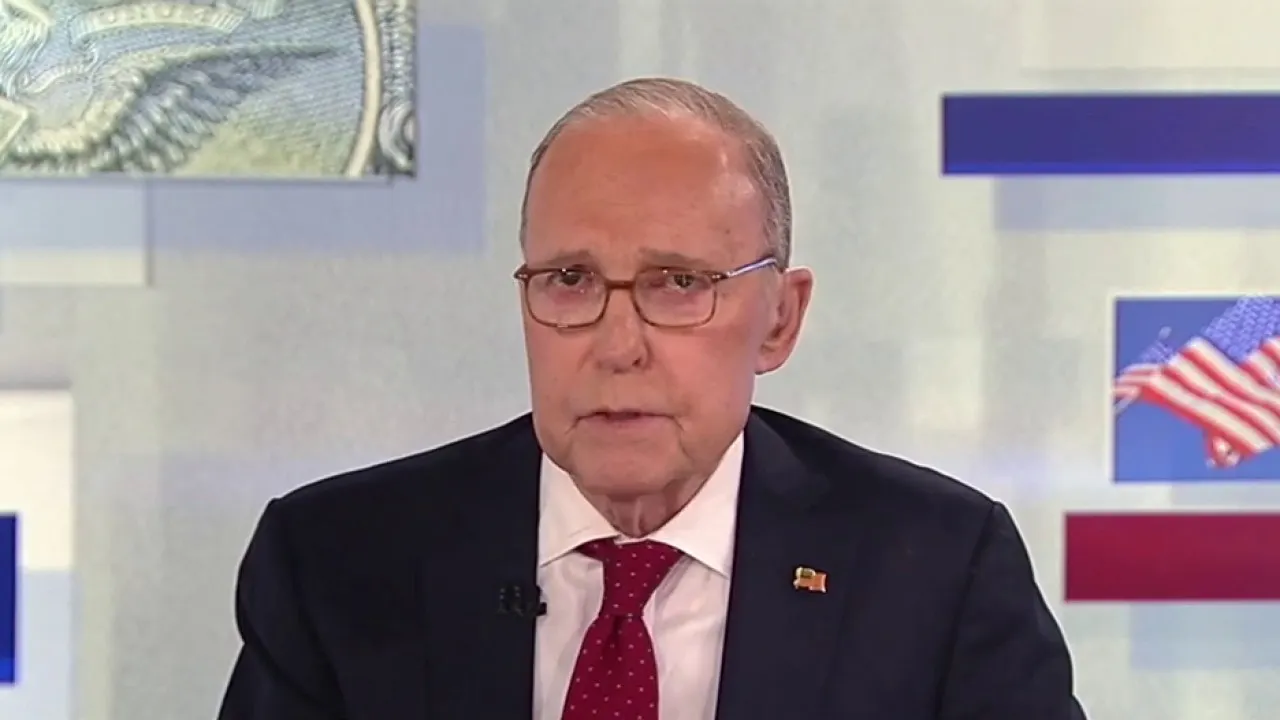
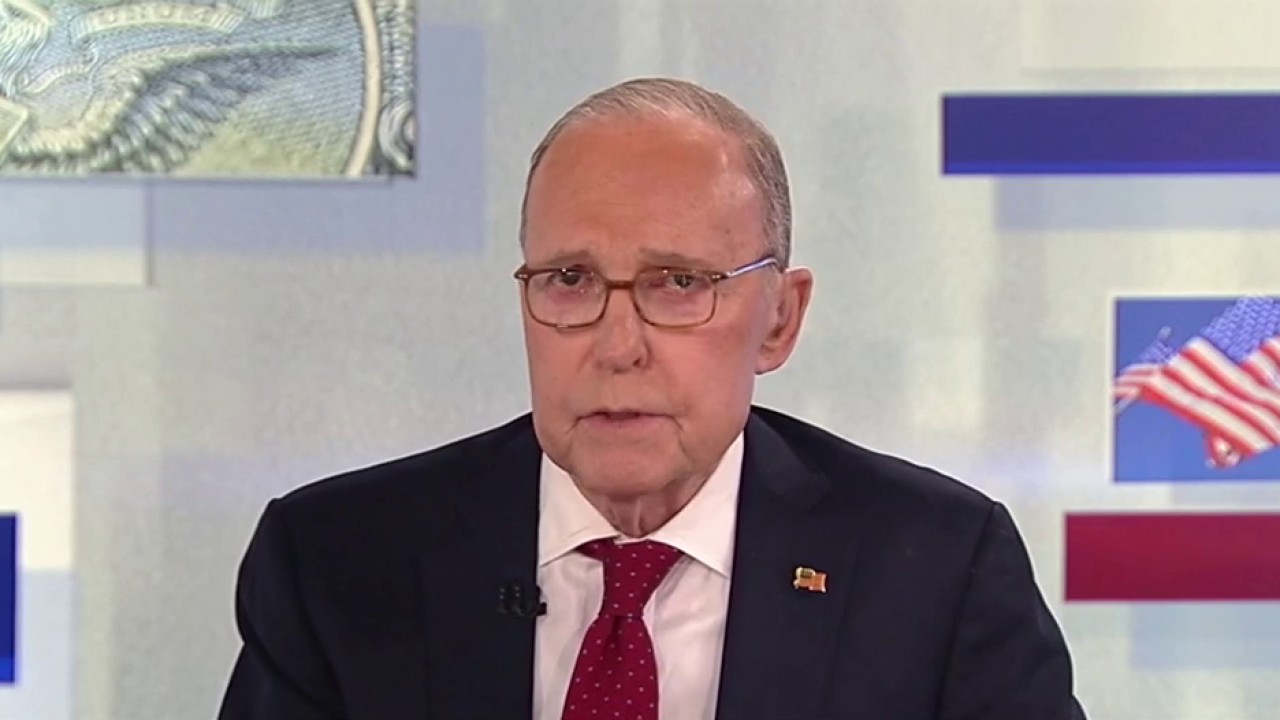
Late Friday afternoon, President Trump shared an op-ed on the Wall Street Journal website titled: “My Tariffs Have Brought America Back,” which also appeared in the Saturday morning print edition. While many were focused on Mr. Trump’s impressive nomination of Kevin Warsh as Fed chairman, it’s worth revisiting the key points made in his piece. This article serves as a rebuttal to criticisms from the Wall Street Journal Editorial Board regarding his tariff policies.
One significant point made by the President is that there was no retaliation against his tariffs, debunking the fears reminiscent of the Smoot-Hawley Act of the 1930s. Instead of facing backlash, Trump highlights that his administration secured deals with several nations, including Communist China, Great Britain, the European Union, Japan, and various Southeast Asian countries. These agreements not only reduced barriers for American exports but also contributed to stock market booms both in the U.S. and abroad.
For context, the Smoot-Hawley Act raised tariffs to levels between 60 and 70 percent, whereas most of Trump’s tariffs hover around 15 percent. Additionally, as the President notes, approximately $100 billion in tariff-related revenues have helped decrease the budget deficit by as much as 27 percent. American exports have surged, imports have decreased, and the trade deficit has narrowed significantly.
Fox News contributor Newt Gingrich discusses the Republican Party’s struggle to win elections despite strong economic performance under President Donald Trump on ‘Kudlow.’
Trump attributes much of the economic boom to the One, Big, Beautiful Bill, which includes tax cuts, lighter regulations, and the mantra “Drill, Baby, Drill.” However, his approach to trade reciprocity appears to be a notable success as well.
In his own words, Trump states: “We have proven, decisively, that, properly applied, tariffs do not hurt growth — they promote growth and greatness, just as I said all along.” He references a Harvard Business School study indicating that foreign producers and large non-American corporations are shouldering at least 80 percent of the tariff costs. This is a compelling point, especially as these trade deals have spurred significant foreign investment in the U.S.
While Trump often cites $18 trillion in potential commitments, the official White House figure stands at $9.6 trillion. Regardless of the numbers, even achieving half of that would be impressive.
Another crucial aspect of his tariff piece is the role of tariffs in international diplomacy, where trade policies have become vital national security tools. This is particularly relevant as the pending Supreme Court decision may take these factors into account.
Recently, Trump secured an agreement with India to halt purchases of Russian oil, in exchange for the U.S. lowering its tariff on Indian goods from 25 percent to 18 percent. This exemplifies the intersection of trade policy and foreign relations. Overall, Trump’s reciprocal tariffs have undoubtedly played a role in the economic boom attributed to his administration. And on another occasion, I’ll delve into why he is, at heart, a free trader.
Late Friday afternoon, President Trump shared an op-ed on the Wall Street Journal website titled: “My Tariffs Have Brought America Back,” which also appeared in the Saturday morning print edition. While many were focused on Mr. Trump’s impressive nomination of Kevin Warsh as Fed chairman, it’s worth revisiting the key points made in his piece. This article serves as a rebuttal to criticisms from the Wall Street Journal Editorial Board regarding his tariff policies.
One significant point made by the President is that there was no retaliation against his tariffs, debunking the fears reminiscent of the Smoot-Hawley Act of the 1930s. Instead of facing backlash, Trump highlights that his administration secured deals with several nations, including Communist China, Great Britain, the European Union, Japan, and various Southeast Asian countries. These agreements not only reduced barriers for American exports but also contributed to stock market booms both in the U.S. and abroad.
For context, the Smoot-Hawley Act raised tariffs to levels between 60 and 70 percent, whereas most of Trump’s tariffs hover around 15 percent. Additionally, as the President notes, approximately $100 billion in tariff-related revenues have helped decrease the budget deficit by as much as 27 percent. American exports have surged, imports have decreased, and the trade deficit has narrowed significantly.
Fox News contributor Newt Gingrich discusses the Republican Party’s struggle to win elections despite strong economic performance under President Donald Trump on ‘Kudlow.’
Trump attributes much of the economic boom to the One, Big, Beautiful Bill, which includes tax cuts, lighter regulations, and the mantra “Drill, Baby, Drill.” However, his approach to trade reciprocity appears to be a notable success as well.
In his own words, Trump states: “We have proven, decisively, that, properly applied, tariffs do not hurt growth — they promote growth and greatness, just as I said all along.” He references a Harvard Business School study indicating that foreign producers and large non-American corporations are shouldering at least 80 percent of the tariff costs. This is a compelling point, especially as these trade deals have spurred significant foreign investment in the U.S.
While Trump often cites $18 trillion in potential commitments, the official White House figure stands at $9.6 trillion. Regardless of the numbers, even achieving half of that would be impressive.
Another crucial aspect of his tariff piece is the role of tariffs in international diplomacy, where trade policies have become vital national security tools. This is particularly relevant as the pending Supreme Court decision may take these factors into account.
Recently, Trump secured an agreement with India to halt purchases of Russian oil, in exchange for the U.S. lowering its tariff on Indian goods from 25 percent to 18 percent. This exemplifies the intersection of trade policy and foreign relations. Overall, Trump’s reciprocal tariffs have undoubtedly played a role in the economic boom attributed to his administration. And on another occasion, I’ll delve into why he is, at heart, a free trader.