5 States Consider Strategies to Reduce or Eliminate Property Taxes for Homeowners
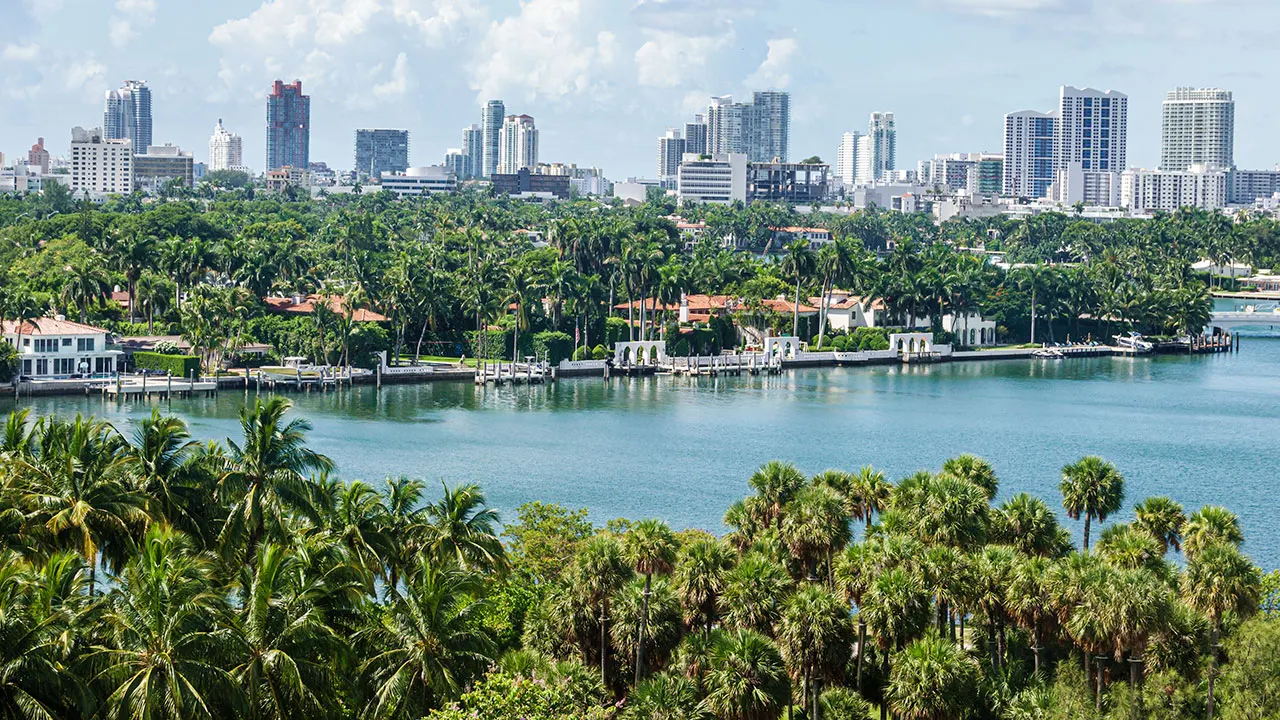
Florida Governor Ron DeSantis joins ‘Varney & Co.’ to discuss eliminating property taxes, the state’s AI legislation, and the upcoming midterm elections.
American taxpayers may soon experience relief from property taxes, as at least five states are actively considering their elimination. This shift could compel states and localities to seek alternative funding sources for essential public services.
An analysis by Realtor.com highlights the efforts in five states to abolish property taxes, noting that some proposals are more developed than others in terms of identifying replacements for the lost tax revenue, which is crucial for maintaining state and local government budgets.
Property taxes are a vital revenue source for state and local governments, contributing to 90% of school funding, 70% of local revenue, and 25% of all aggregate state and local tax revenue, according to Billy Hamilton, deputy chancellor emeritus at Texas A&M University.
While these taxes are essential for government finances, they can also hinder homeownership affordability, particularly for Americans on fixed incomes who may struggle with substantial tax bills.
THESE 10 STATES OFFER THE BIGGEST PROPERTY TAX SAVINGS FOR HOMEOWNERS
Here’s a closer look at the ongoing state initiatives aimed at reducing or eliminating property tax burdens, as detailed in the Realtor.com report:
North Dakota
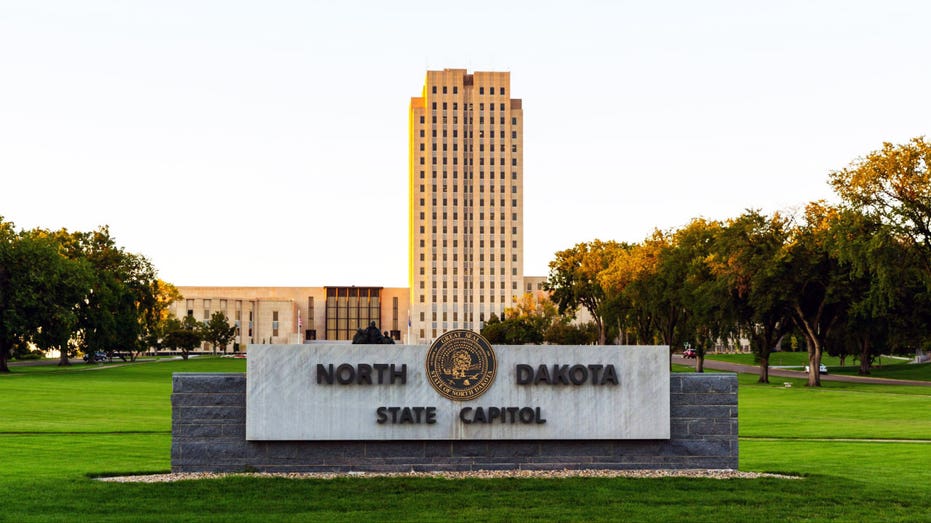
The state capitol building in Bismarck, North Dakota. (Getty Images)
North Dakota’s Republican Gov. Kelly Armstrong has proposed utilizing approximately $483 million from the state’s general fund, along with future earnings from the state’s oil tax savings account, to gradually eliminate property taxes for most homeowners within a decade. The plan includes expanding an existing tax credit for primary residences, which could lower property tax bills by up to $1,550 annually.
This initiative aims to increase the tax credit every two years, with more proceeds from the oil tax savings account offsetting the shift. Additionally, local property tax increases would be capped at 3% annually, with further relief for senior citizens and individuals with disabilities meeting income limits.
SEVERAL STATES SEEK TO END PROPERTY TAXES: SHOULDN’T HAVE TO ‘RENT FROM THE GOVERNMENT’
Georgia
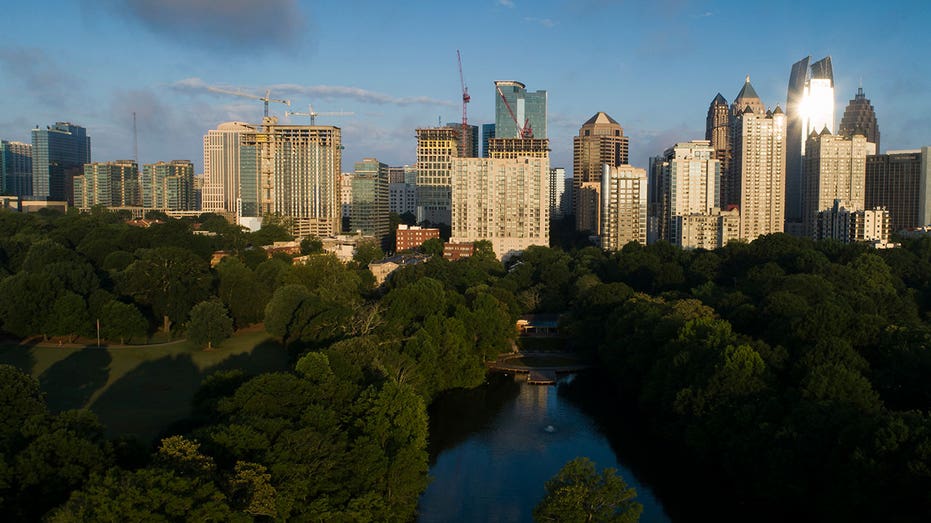
In an aerial view, the midtown skyline is seen from Piedmont Park on May 15, 2024, in Atlanta, Georgia. Atlanta is one of the host cities for the 2026 World Cup. (Alex Slitz – FIFA/FIFA via Getty Images)
A proposal from GOP state lawmakers in Georgia aims to eliminate most property taxes by 2032. This initiative begins with a $1 billion expenditure by the state government to reduce current property taxes. Additionally, property tax exemptions for primary residences would increase from $5,000 to $150,000 by 2031, with most property taxes set to be eliminated the following year.
Local governments would then adjust to the lost revenue by charging homeowners for services such as garbage collection, stormwater management, and fire protection. Other improvements, such as those related to government infrastructure or schools, would require voter approval.
WASHINGTON’S PROPOSED MILLIONAIRE TAX SPARKS CONCERNS OF BROADER LEVY, ‘DAMAGE’ TO STATE’S ECONOMY
Florida
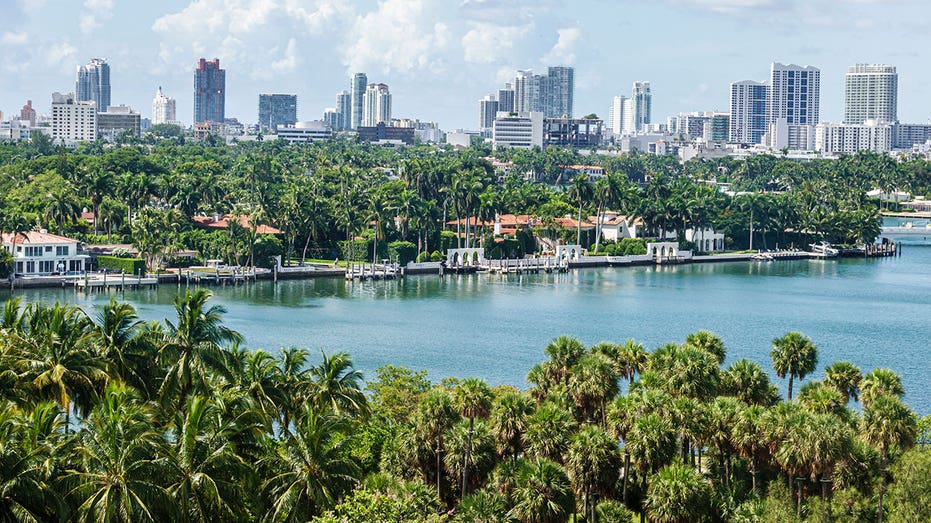
Republican Gov. Ron DeSantis has urged lawmakers to unite behind a single package for Florida voters. (Jeffrey Greenberg/UCG/Universal Images Group via Getty Images)
In Florida, policymakers have been deliberating property tax elimination or relief measures for over a year. More than half a dozen proposals have been discussed that aim to phase out or ease property taxes on primary residences. Governor Ron DeSantis has been advocating for lawmakers to consolidate these proposals into one comprehensive package for voters.
However, replacing lost property tax revenue poses significant challenges. An analysis by the Tax Foundation indicates that substituting property tax revenue with higher sales taxes could necessitate raising the sales tax rate from an average of 7.02% to 15.34%. This estimate may not fully capture the potential shortfall, as taxpayer behavior could change in response to such adjustments.
Texas
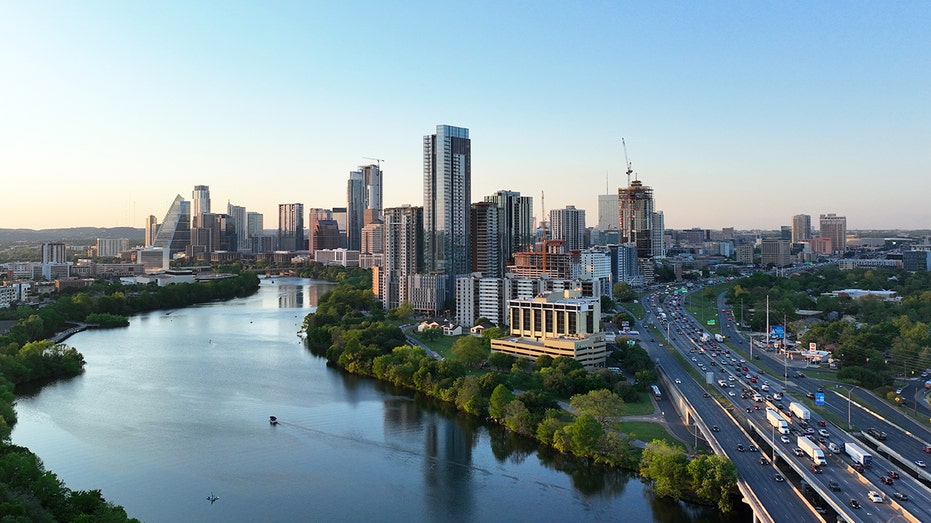
A view of Austin, Texas’ capital city. (iStock)
In Texas, Republican Gov. Greg Abbott is advocating for the elimination of school property taxes. This follows several recent measures aimed at alleviating property tax burdens, including rate compression and homestead exemptions. Abbott’s proposal involves utilizing surplus funds from the state budget to gradually reduce school property taxes until they are fully eliminated. However, lawmakers are still in discussions regarding a long-term solution for replacing lost education funding.
GET FOX BUSINESS ON THE GO BY CLICKING HERE
Indiana

The skyline of Indianapolis, Indiana. (Getty Images)
Indiana’s HB 1288 proposes to abolish taxes on tangible property after December 31, 2026, with a complete elimination of property taxes set for 2027. The plan aims to recover lost tax revenue by broadening Indiana’s sales and use taxes to encompass most services, redistributing the proceeds through a local government sharing fund.
Florida Governor Ron DeSantis joins ‘Varney & Co.’ to discuss eliminating property taxes, the state’s AI legislation, and the upcoming midterm elections.
American taxpayers may soon experience relief from property taxes, as at least five states are actively considering their elimination. This shift could compel states and localities to seek alternative funding sources for essential public services.
An analysis by Realtor.com highlights the efforts in five states to abolish property taxes, noting that some proposals are more developed than others in terms of identifying replacements for the lost tax revenue, which is crucial for maintaining state and local government budgets.
Property taxes are a vital revenue source for state and local governments, contributing to 90% of school funding, 70% of local revenue, and 25% of all aggregate state and local tax revenue, according to Billy Hamilton, deputy chancellor emeritus at Texas A&M University.
While these taxes are essential for government finances, they can also hinder homeownership affordability, particularly for Americans on fixed incomes who may struggle with substantial tax bills.
THESE 10 STATES OFFER THE BIGGEST PROPERTY TAX SAVINGS FOR HOMEOWNERS
Here’s a closer look at the ongoing state initiatives aimed at reducing or eliminating property tax burdens, as detailed in the Realtor.com report:
North Dakota
The state capitol building in Bismarck, North Dakota. (Getty Images)
North Dakota’s Republican Gov. Kelly Armstrong has proposed utilizing approximately $483 million from the state’s general fund, along with future earnings from the state’s oil tax savings account, to gradually eliminate property taxes for most homeowners within a decade. The plan includes expanding an existing tax credit for primary residences, which could lower property tax bills by up to $1,550 annually.
This initiative aims to increase the tax credit every two years, with more proceeds from the oil tax savings account offsetting the shift. Additionally, local property tax increases would be capped at 3% annually, with further relief for senior citizens and individuals with disabilities meeting income limits.
SEVERAL STATES SEEK TO END PROPERTY TAXES: SHOULDN’T HAVE TO ‘RENT FROM THE GOVERNMENT’
Georgia
In an aerial view, the midtown skyline is seen from Piedmont Park on May 15, 2024, in Atlanta, Georgia. Atlanta is one of the host cities for the 2026 World Cup. (Alex Slitz – FIFA/FIFA via Getty Images)
A proposal from GOP state lawmakers in Georgia aims to eliminate most property taxes by 2032. This initiative begins with a $1 billion expenditure by the state government to reduce current property taxes. Additionally, property tax exemptions for primary residences would increase from $5,000 to $150,000 by 2031, with most property taxes set to be eliminated the following year.
Local governments would then adjust to the lost revenue by charging homeowners for services such as garbage collection, stormwater management, and fire protection. Other improvements, such as those related to government infrastructure or schools, would require voter approval.
WASHINGTON’S PROPOSED MILLIONAIRE TAX SPARKS CONCERNS OF BROADER LEVY, ‘DAMAGE’ TO STATE’S ECONOMY
Florida
Republican Gov. Ron DeSantis has urged lawmakers to unite behind a single package for Florida voters. (Jeffrey Greenberg/UCG/Universal Images Group via Getty Images)
In Florida, policymakers have been deliberating property tax elimination or relief measures for over a year. More than half a dozen proposals have been discussed that aim to phase out or ease property taxes on primary residences. Governor Ron DeSantis has been advocating for lawmakers to consolidate these proposals into one comprehensive package for voters.
However, replacing lost property tax revenue poses significant challenges. An analysis by the Tax Foundation indicates that substituting property tax revenue with higher sales taxes could necessitate raising the sales tax rate from an average of 7.02% to 15.34%. This estimate may not fully capture the potential shortfall, as taxpayer behavior could change in response to such adjustments.
Texas
A view of Austin, Texas’ capital city. (iStock)
In Texas, Republican Gov. Greg Abbott is advocating for the elimination of school property taxes. This follows several recent measures aimed at alleviating property tax burdens, including rate compression and homestead exemptions. Abbott’s proposal involves utilizing surplus funds from the state budget to gradually reduce school property taxes until they are fully eliminated. However, lawmakers are still in discussions regarding a long-term solution for replacing lost education funding.
GET FOX BUSINESS ON THE GO BY CLICKING HERE
Indiana
The skyline of Indianapolis, Indiana. (Getty Images)
Indiana’s HB 1288 proposes to abolish taxes on tangible property after December 31, 2026, with a complete elimination of property taxes set for 2027. The plan aims to recover lost tax revenue by broadening Indiana’s sales and use taxes to encompass most services, redistributing the proceeds through a local government sharing fund.