Momentum Builds for Social Media Ban for Kids Across Europe
European countries are making significant moves against social media platforms, with an increasing number considering bans on these services for minors. This shift sets the stage for a potential clash with major U.S. tech companies.
The initial policy was rolled out in Australia, targeting platforms such as Meta Platforms Inc.’s Instagram and Facebook, Snap Inc., Elon Musk’s X, TikTok, and Google’s YouTube. Now, this trend is gaining traction in Europe, posing a threat to millions of young users who regulators deem vulnerable to harmful and addictive content, as well as the substantial advertising revenue associated with them.
Spain has recently joined the fray, with its Socialist leader proposing a ban on these services. This political maneuver has escalated tensions, especially given Musk’s previous calls for the European Union’s dissolution and the recent raid on his X offices in Paris.
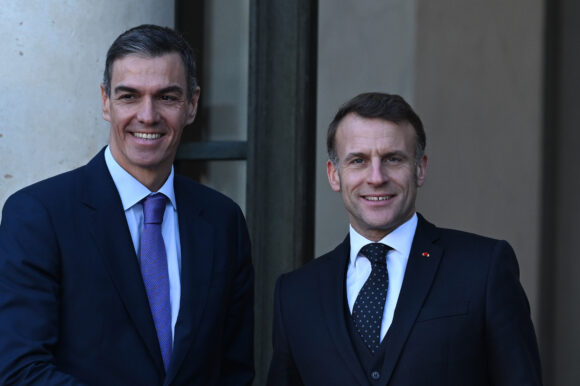
“Social media has become a failed state,” Prime Minister Pedro Sánchez stated during a speech in Dubai. “I know that it will not be easy. Social media companies are wealthier and more powerful than many nations, including mine. But their might and power should not scare us.”
Musk quickly retaliated on X, labeling Sánchez a “tyrant and traitor to the people of Spain.”
With at least six other countries—including France, the UK, Portugal, Denmark, Greece, and the Netherlands—considering similar restrictions, this movement signals a clear trajectory and intensifies the ongoing culture war with the Trump administration and some of the world’s most influential billionaires.
Representatives from Meta Platforms Inc., Snap Inc., TikTok, YouTube, and X have not responded to requests for comment.
European regulators have long criticized U.S. social media companies for monopolistic practices, data exploitation, and the dissemination of harmful content. Recent events have intensified this sentiment, particularly following the backlash against Musk’s Grok, an AI chatbot that generated millions of non-consensual, sexualized images on X, including some of minors.
While Musk’s company has pledged to address these issues, global regulators are taking action, making it a hot-button topic for politicians and concerned voters alike.
The European initiatives could provoke a strong reaction from President Donald Trump and his allies. Europe has often been a target of his criticism, and the longstanding transatlantic partnership is at risk of fracturing.
In December, Trump cautioned Europe to “be very careful” after the EU fined Musk’s X $140 million for violating online content regulations.
Following the tensions at the World Economic Forum in Davos, further confrontations could arise at the upcoming Munich Security Conference, where Vice President JD Vance previously accused Europeans of “digital censorship.”
Sánchez has also accused Musk of spreading “disinformation” regarding Spain’s immigration policies, further fueling the animosity.
“Earlier in Trump’s presidency, there were concerns of retaliation if countries acted too forcefully against Big Tech,” noted Zach Meyers, director of research at the Centre on Regulation in Europe. “That concern has diminished somewhat in recent months.”
The platforms stand to lose significantly if access to younger users is restricted. Services like TikTok and Snapchat have thrived due to their popularity among teens, whose preferences have shaped app design trends.
YouTube, with its vast child audience, has faced political scrutiny in the past.
However, these features are often viewed as addictive, and several major networks are currently facing litigation in the U.S. over claims that their products are detrimental to young users.
Europe represents a significant market for many tech firms, second only to North America, due to high tech adoption rates and a robust online advertising ecosystem. For companies like Snap Inc. and Meta Platforms Inc., revenue growth in Europe is outpacing that in the U.S.
“Europe is the cash cow for Big Tech, so this is a big problem for them, without any doubt,” stated Alicia García Herrero, a senior fellow at Bruegel, adding that the U.S. may view these bans as politically motivated.
Implementing such restrictions poses challenges. Digital policy experts question whether there is enough evidence to suggest that a ban would lead to increased offline time for children.
Australia was the first country to impose restrictions on social media for minors, resulting in tech companies shutting down accounts for approximately 5 million children under 16.
Tech platforms argue that excluding minors from their services is complex and could lead to broader issues, such as the need for sensitive document verification, which raises concerns about data misuse and cyber attacks. A ban could also push users towards less legitimate platforms.
Countries looking to adopt similar laws to Australia will face their own unique challenges.
French President Emmanuel Macron has been a strong proponent of age restrictions on social media. In 2024, he labeled screen addiction as “the breeding ground for all kinds of problems: bullying, violence, dropping out of school.” Recently, France’s national assembly passed a ban on social media services for children under 15, which will now proceed to the senate for approval.
However, France has struggled to enforce other internet regulations. A recent law aimed at banning online pornography for minors required age verification through third-party services, leading many users to utilize virtual private networks (VPNs) to conceal their identities.
“VPNs are the next topic on my list,” remarked Anne Le Hénanff, France’s minister for AI and digital affairs, during a recent television interview.
Similar concerns arose when the UK implemented age checks, and the country is currently exploring various measures, including age restrictions, phone curfews, and regulations around addictive design. A decision is expected by summer.
“There’s no point in having a consultation if I’ve already made up my mind,” stated Britain’s Technology Secretary Liz Kendall in a recent interview. “There are different views strongly held on both sides.”
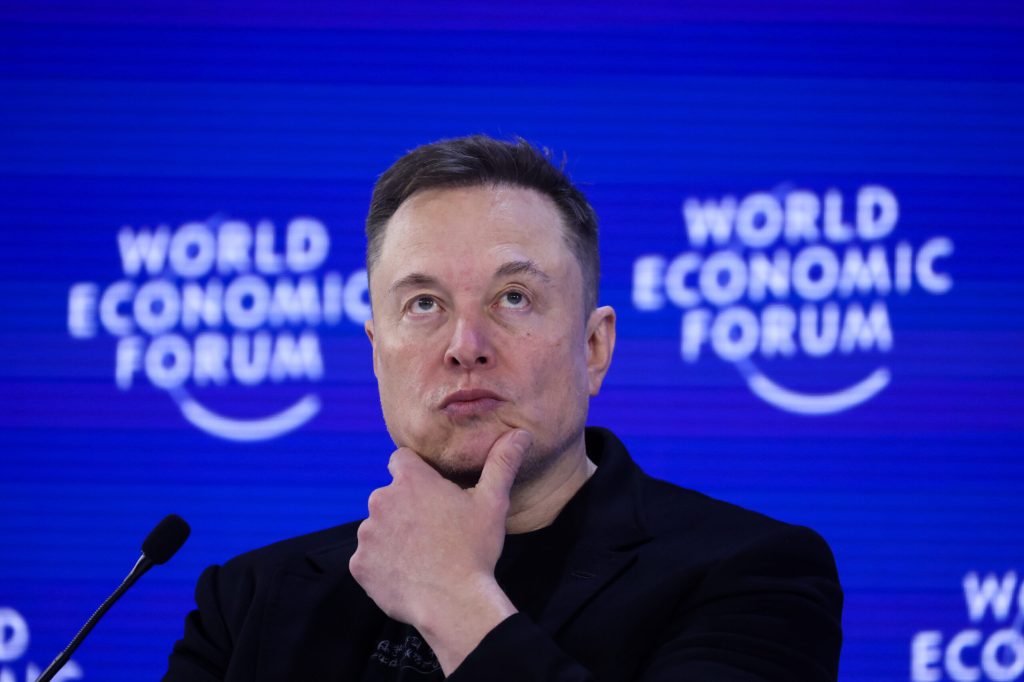
Top photograph: Elon Musk during the World Economic Forum (WEF) in Davos. Photo credit: Krisztian Bocsi/Bloomberg
Copyright 2026 Bloomberg.
Topics
Europe
European countries are making significant moves against social media platforms, with an increasing number considering bans on these services for minors. This shift sets the stage for a potential clash with major U.S. tech companies.
The initial policy was rolled out in Australia, targeting platforms such as Meta Platforms Inc.’s Instagram and Facebook, Snap Inc., Elon Musk’s X, TikTok, and Google’s YouTube. Now, this trend is gaining traction in Europe, posing a threat to millions of young users who regulators deem vulnerable to harmful and addictive content, as well as the substantial advertising revenue associated with them.
Spain has recently joined the fray, with its Socialist leader proposing a ban on these services. This political maneuver has escalated tensions, especially given Musk’s previous calls for the European Union’s dissolution and the recent raid on his X offices in Paris.
“Social media has become a failed state,” Prime Minister Pedro Sánchez stated during a speech in Dubai. “I know that it will not be easy. Social media companies are wealthier and more powerful than many nations, including mine. But their might and power should not scare us.”
Musk quickly retaliated on X, labeling Sánchez a “tyrant and traitor to the people of Spain.”
With at least six other countries—including France, the UK, Portugal, Denmark, Greece, and the Netherlands—considering similar restrictions, this movement signals a clear trajectory and intensifies the ongoing culture war with the Trump administration and some of the world’s most influential billionaires.
Representatives from Meta Platforms Inc., Snap Inc., TikTok, YouTube, and X have not responded to requests for comment.
European regulators have long criticized U.S. social media companies for monopolistic practices, data exploitation, and the dissemination of harmful content. Recent events have intensified this sentiment, particularly following the backlash against Musk’s Grok, an AI chatbot that generated millions of non-consensual, sexualized images on X, including some of minors.
While Musk’s company has pledged to address these issues, global regulators are taking action, making it a hot-button topic for politicians and concerned voters alike.
The European initiatives could provoke a strong reaction from President Donald Trump and his allies. Europe has often been a target of his criticism, and the longstanding transatlantic partnership is at risk of fracturing.
In December, Trump cautioned Europe to “be very careful” after the EU fined Musk’s X $140 million for violating online content regulations.
Following the tensions at the World Economic Forum in Davos, further confrontations could arise at the upcoming Munich Security Conference, where Vice President JD Vance previously accused Europeans of “digital censorship.”
Sánchez has also accused Musk of spreading “disinformation” regarding Spain’s immigration policies, further fueling the animosity.
“Earlier in Trump’s presidency, there were concerns of retaliation if countries acted too forcefully against Big Tech,” noted Zach Meyers, director of research at the Centre on Regulation in Europe. “That concern has diminished somewhat in recent months.”
The platforms stand to lose significantly if access to younger users is restricted. Services like TikTok and Snapchat have thrived due to their popularity among teens, whose preferences have shaped app design trends.
YouTube, with its vast child audience, has faced political scrutiny in the past.
However, these features are often viewed as addictive, and several major networks are currently facing litigation in the U.S. over claims that their products are detrimental to young users.
Europe represents a significant market for many tech firms, second only to North America, due to high tech adoption rates and a robust online advertising ecosystem. For companies like Snap Inc. and Meta Platforms Inc., revenue growth in Europe is outpacing that in the U.S.
“Europe is the cash cow for Big Tech, so this is a big problem for them, without any doubt,” stated Alicia García Herrero, a senior fellow at Bruegel, adding that the U.S. may view these bans as politically motivated.
Implementing such restrictions poses challenges. Digital policy experts question whether there is enough evidence to suggest that a ban would lead to increased offline time for children.
Australia was the first country to impose restrictions on social media for minors, resulting in tech companies shutting down accounts for approximately 5 million children under 16.
Tech platforms argue that excluding minors from their services is complex and could lead to broader issues, such as the need for sensitive document verification, which raises concerns about data misuse and cyber attacks. A ban could also push users towards less legitimate platforms.
Countries looking to adopt similar laws to Australia will face their own unique challenges.
French President Emmanuel Macron has been a strong proponent of age restrictions on social media. In 2024, he labeled screen addiction as “the breeding ground for all kinds of problems: bullying, violence, dropping out of school.” Recently, France’s national assembly passed a ban on social media services for children under 15, which will now proceed to the senate for approval.
However, France has struggled to enforce other internet regulations. A recent law aimed at banning online pornography for minors required age verification through third-party services, leading many users to utilize virtual private networks (VPNs) to conceal their identities.
“VPNs are the next topic on my list,” remarked Anne Le Hénanff, France’s minister for AI and digital affairs, during a recent television interview.
Similar concerns arose when the UK implemented age checks, and the country is currently exploring various measures, including age restrictions, phone curfews, and regulations around addictive design. A decision is expected by summer.
“There’s no point in having a consultation if I’ve already made up my mind,” stated Britain’s Technology Secretary Liz Kendall in a recent interview. “There are different views strongly held on both sides.”
Top photograph: Elon Musk during the World Economic Forum (WEF) in Davos. Photo credit: Krisztian Bocsi/Bloomberg
Copyright 2026 Bloomberg.
Topics
Europe