FCC Must Eliminate 39% TV Ownership Cap to Enhance Competition Against Big Tech
California Post opinion editor Joel Pollak joins ‘Varney & Co.’ to discuss the launch of the new conservative outlet, California’s media imbalance, and a controversial San Francisco program that spent millions giving alcohol to homeless residents.
America’s local television stations often face derision from the coastal media elite, yet they play a crucial role in the lives of ordinary families. These stations cover everything from school board disputes and city hall scandals to high school sports and community events. They provide essential information during crises, such as snowstorms and tornado warnings, when cell networks become congested and social media is flooded with rumors.
So, why does Washington still treat these vital local institutions as if it were 1941?
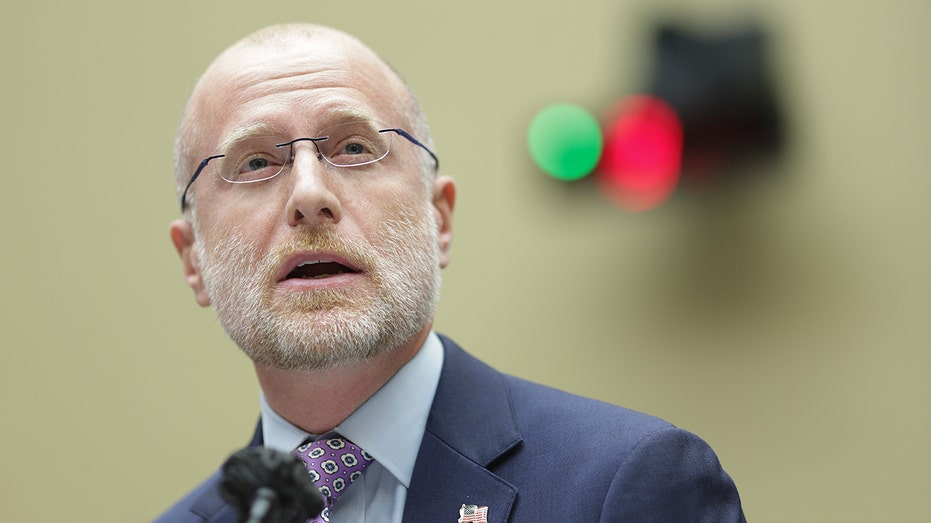
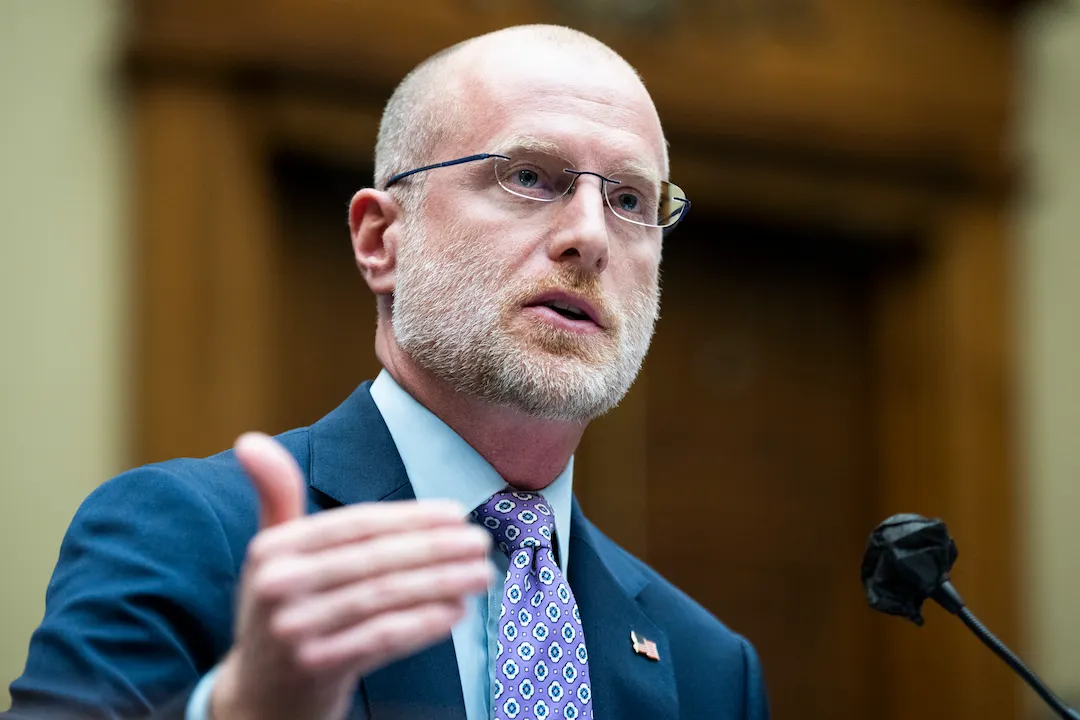
FCC Commissioner Brendan Carr testifies during a House Energy and Commerce Committee Subcommittee hearing on March 31, 2022, in Washington, D.C. (Kevin Dietsch/Getty Images)
In the past, the federal government imposed a national limit on how many local TV stations one company could own. Over the decades, this restriction evolved into today’s “national audience reach” cap, which prohibits any broadcast station group from owning stations that reach more than 39% of America’s TV households.
Interestingly, these restrictions do not apply to cable networks, satellite networks, national networks, or streaming giants. Companies like Google and Meta, which dominate the digital advertising space, are free to operate without such limitations. Local broadcasters are the only major news platforms in America constrained by federal regulations that prevent them from scaling up.
MIKE DAVIS: HOW THE TRUMP DOJ IS HOLDING GOOGLE ACCOUNTABLE
This situation is not “pro-competition”; it is, in fact, pro-cartel.
The FCC’s records reveal how outdated this rule is. The original national TV ownership limit dates back to the early days of television—1941—a time before the internet, cable, and smartphones. Although Congress made some adjustments to the cap in the 1990s and early 2000s, it has remained stagnant at 39% since 2004, even as the media landscape has transformed dramatically.
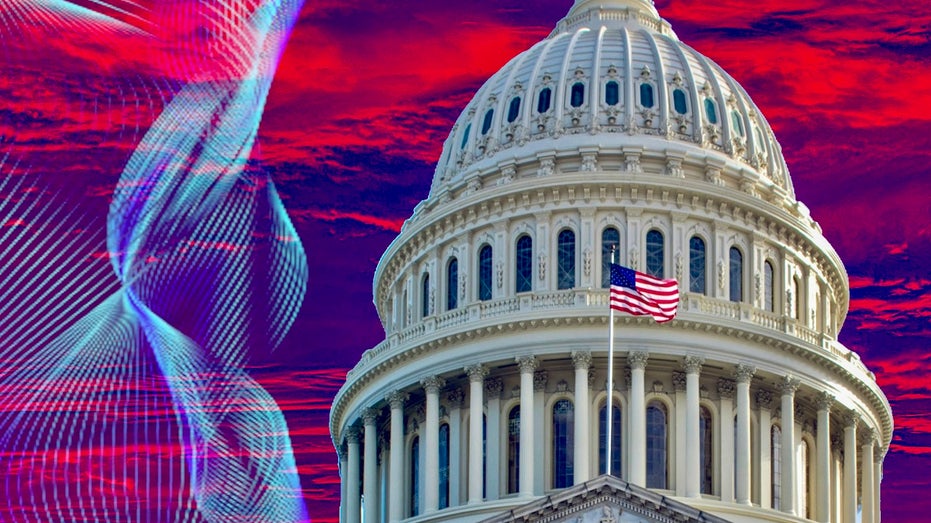
The national ownership cap does nothing to stop the real concentration in media. (iStock)
Washington often overlooks a critical point: voters recognize this unfairness. Recent polling from Fabrizio-Ward indicates that a majority of Americans oppose this outdated ownership cap. By a significant 38-point margin, voters consider the restriction on local TV station ownership to be unjust. Even more compelling, voters who rely on local TV for news are eight times more likely to vote against a member of Congress who opposes allowing local TV station owners to compete nationally for advertising against cable networks and internet streamers.
This is not merely a policy detail; it serves as a political warning.
For years, proponents of the 39% cap have relied on the same arguments: “diversity,” “localism,” and the notion that larger station groups will eliminate local voices. However, as we approach 2026, the genuine threat to viewpoint diversity lies not in the potential for broadcasters to operate more stations, but in the fact that a handful of Big Tech platforms control digital distribution with no ownership caps and minimal transparency.
If we desire more local emergency coverage, investigative reporting, and stories that resonate with everyday Americans, we must stop undermining the one system that still provides news for free to every household.
The national ownership cap does nothing to curb real media concentration. It fails to limit the reach of streaming platforms, cable channels, or social media feeds. Instead, it restricts those who hold FCC licenses, have public obligations, and consistently engage with local communities.
What should conservatives do?
First, stop apologizing for advocating a fair market. If you believe in competition, it must be genuine. A rule that uniquely restricts one sector while its competitors operate without comparable limits is not regulation; it is protectionism.
Second, take action. The FCC has an open proceeding on this issue and should finalize the repeal of the cap. It has both the authority and responsibility to eliminate this outdated bureaucratic rule that favors Big Tech at the expense of local stations and stories.
CLICK HERE TO DOWNLOAD THE FOX NEWS APP
Conservatives face a choice: defend an arbitrary cap that strengthens Big Tech or eliminate it to allow local TV to compete, invest, and serve communities across our vast nation.
Voters are paying attention, and the data suggests they will remember who stood with their local communities and their stations when it mattered most.
California Post opinion editor Joel Pollak joins ‘Varney & Co.’ to discuss the launch of the new conservative outlet, California’s media imbalance, and a controversial San Francisco program that spent millions giving alcohol to homeless residents.
America’s local television stations often face derision from the coastal media elite, yet they play a crucial role in the lives of ordinary families. These stations cover everything from school board disputes and city hall scandals to high school sports and community events. They provide essential information during crises, such as snowstorms and tornado warnings, when cell networks become congested and social media is flooded with rumors.
So, why does Washington still treat these vital local institutions as if it were 1941?
FCC Commissioner Brendan Carr testifies during a House Energy and Commerce Committee Subcommittee hearing on March 31, 2022, in Washington, D.C. (Kevin Dietsch/Getty Images)
In the past, the federal government imposed a national limit on how many local TV stations one company could own. Over the decades, this restriction evolved into today’s “national audience reach” cap, which prohibits any broadcast station group from owning stations that reach more than 39% of America’s TV households.
Interestingly, these restrictions do not apply to cable networks, satellite networks, national networks, or streaming giants. Companies like Google and Meta, which dominate the digital advertising space, are free to operate without such limitations. Local broadcasters are the only major news platforms in America constrained by federal regulations that prevent them from scaling up.
MIKE DAVIS: HOW THE TRUMP DOJ IS HOLDING GOOGLE ACCOUNTABLE
This situation is not “pro-competition”; it is, in fact, pro-cartel.
The FCC’s records reveal how outdated this rule is. The original national TV ownership limit dates back to the early days of television—1941—a time before the internet, cable, and smartphones. Although Congress made some adjustments to the cap in the 1990s and early 2000s, it has remained stagnant at 39% since 2004, even as the media landscape has transformed dramatically.
The national ownership cap does nothing to stop the real concentration in media. (iStock)
Washington often overlooks a critical point: voters recognize this unfairness. Recent polling from Fabrizio-Ward indicates that a majority of Americans oppose this outdated ownership cap. By a significant 38-point margin, voters consider the restriction on local TV station ownership to be unjust. Even more compelling, voters who rely on local TV for news are eight times more likely to vote against a member of Congress who opposes allowing local TV station owners to compete nationally for advertising against cable networks and internet streamers.
This is not merely a policy detail; it serves as a political warning.
For years, proponents of the 39% cap have relied on the same arguments: “diversity,” “localism,” and the notion that larger station groups will eliminate local voices. However, as we approach 2026, the genuine threat to viewpoint diversity lies not in the potential for broadcasters to operate more stations, but in the fact that a handful of Big Tech platforms control digital distribution with no ownership caps and minimal transparency.
If we desire more local emergency coverage, investigative reporting, and stories that resonate with everyday Americans, we must stop undermining the one system that still provides news for free to every household.
The national ownership cap does nothing to curb real media concentration. It fails to limit the reach of streaming platforms, cable channels, or social media feeds. Instead, it restricts those who hold FCC licenses, have public obligations, and consistently engage with local communities.
What should conservatives do?
First, stop apologizing for advocating a fair market. If you believe in competition, it must be genuine. A rule that uniquely restricts one sector while its competitors operate without comparable limits is not regulation; it is protectionism.
Second, take action. The FCC has an open proceeding on this issue and should finalize the repeal of the cap. It has both the authority and responsibility to eliminate this outdated bureaucratic rule that favors Big Tech at the expense of local stations and stories.
CLICK HERE TO DOWNLOAD THE FOX NEWS APP
Conservatives face a choice: defend an arbitrary cap that strengthens Big Tech or eliminate it to allow local TV to compete, invest, and serve communities across our vast nation.
Voters are paying attention, and the data suggests they will remember who stood with their local communities and their stations when it mattered most.