Proposed Legislation Aims to Shield Restored Social Security Benefits from Tax Implications
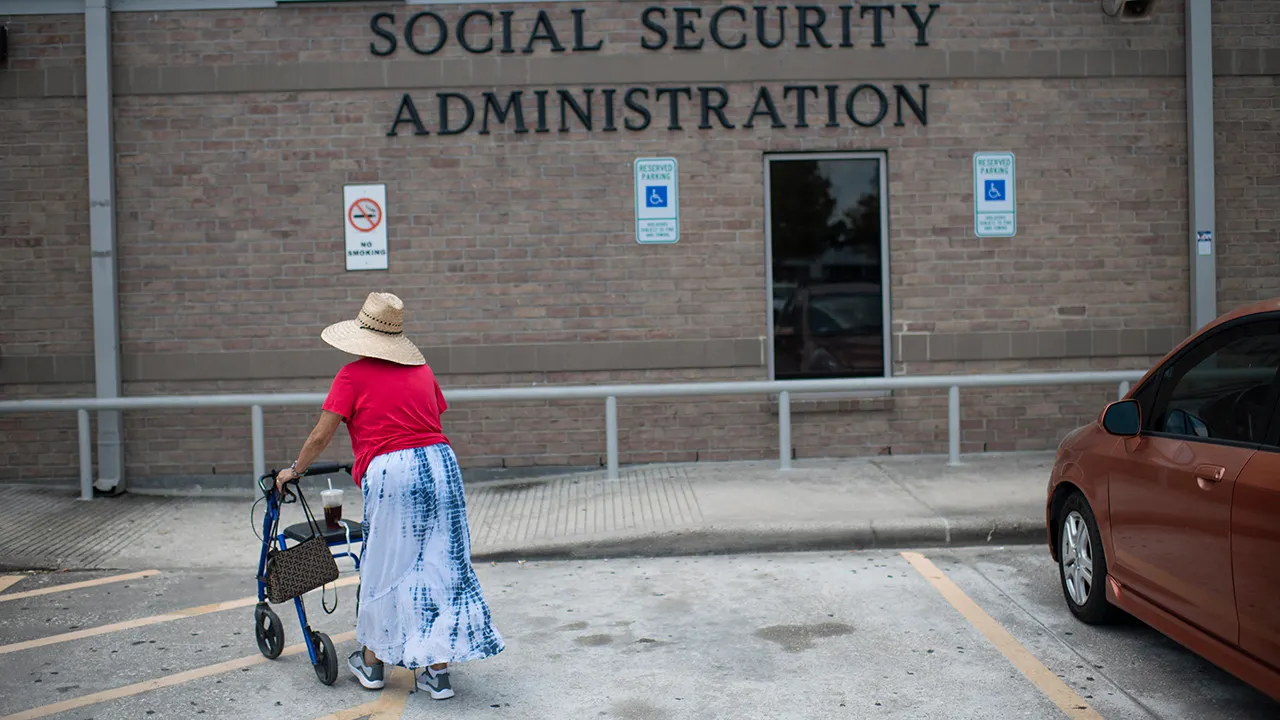
The Big Money Show panel discusses the alarming new analysis showing Social Security and Medicare racing toward insolvency and warns that retirees face steep benefit cuts unless Washington acts fast.
A newly introduced bill aims to shield certain public sector retirees from unexpected tax bills after they became eligible for Social Security benefits last year. This bipartisan initiative, known as the No Tax on Restored Benefits Act, was introduced by Rep. Lance Gooden, R-Texas. It proposes a gross income tax exclusion for retroactive lump-sum payments of Social Security benefits given to specific public sector retirees on pensions who previously had their benefits reduced or eliminated due to not paying Social Security taxes while employed.
This legislation follows the enactment of the Social Security Fairness Act, which allowed retroactive benefit payments to eligible retirees last year.
“First, the federal government shortchanged public servants by withholding their Social Security benefits. Now, Washington is trying to tax those benefits,” Gooden stated in an interview with FOX Business. “It’s a slap in the face to teachers, firefighters, law enforcement officers, and more who devoted their careers to serving our communities. The No Tax on Restored Benefits Act finally ends the mistreatment of our public-sector retirees.”
SOCIAL SECURITY PAYMENTS TO INCREASE FOR PUBLIC PENSION RECIPIENTS
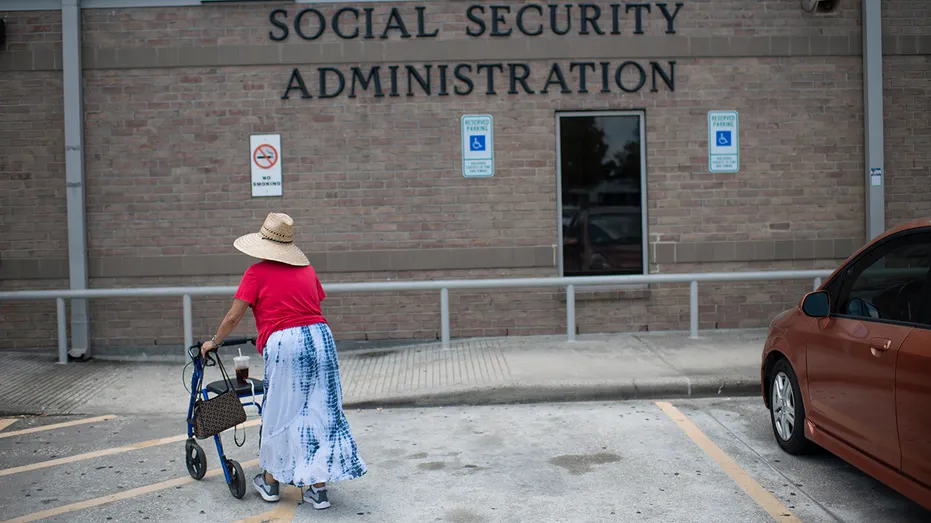
The new bill aims to prevent tax consequences for those who received lump-sum payments under the Social Security Fairness Act. (Mark Felix/The Washington Post)
Rep. Chellie Pingree, D-Maine, is a lead cosponsor of the bill. She emphasized that the Social Security Fairness Act “was truly transformative” for hundreds of thousands of Americans, but “it was never intended to saddle widows, low-income seniors, and dedicated public servants with an unexpected tax bill.”
“The No Tax on Restored Benefits Act addresses this problem in a fair, commonsense way – by protecting people who were previously below the taxation threshold from being unfairly punished due to a one-time, retroactive increase in their earned benefits,” Pingree added.
The bill has garnered support from the National Association of Police Organizations. Executive Director Bill Johnson noted that “retirees are facing a large tax bill on those same benefits Congress worked to restore,” and the new legislation “will ensure no public servant will continue to be penalized simply because they chose public service.”
MILLIONS TO GET HIGHER SOCIAL SECURITY PAYMENTS UNDER NEW LAW

Rep. Lance Gooden, R-Texas, introduced this bill to protect restored Social Security benefits from taxes. (Al Drago/Bloomberg via Getty Images)
The introduction of the No Tax on Restored Benefits Act follows the enactment of the Social Security Fairness Act last year, which made certain public sector retirees eligible for retroactive payments. This legislation was signed into law in January 2025 by then-President Joe Biden.
The Social Security Fairness Act eliminated policies known as the Windfall Elimination Provision (WEP) and Government Pension Offset (GPO), which had reduced or eliminated Social Security benefits for workers receiving a public pension who weren’t covered by Social Security taxes.
These policies affected over 3.2 million individuals who receive pensions for work not covered by Social Security due to not paying into the system.
SOME SOCIAL SECURITY BENEFICIARIES TO RECEIVE PAYMENTS EARLY FOR FEBRUARY AND MARCH

Rep. Chellie Pingree, D-Maine, cosponsored the No Tax on Restored Benefits Act. (Bryan Dozier/Middle East Images/AFP via Getty Images)
Among those affected are teachers, firefighters, and police officers in various states, as well as federal employees covered by the Civil Service Retirement System and individuals whose work was covered by foreign social security systems.
It’s important to note that the WEP and GPO policies did not apply to all individuals within these groups, as approximately 72% of state and local public employees work in roles covered by Social Security and contribute to the system. Consequently, those retirees will not see a benefit increase under the Social Security Fairness Act.
The elimination of WEP and GPO policies is retroactive to January 2024, with the Social Security Administration indicating that the one-time payments will be deposited into the account on file by the end of March 2025.
GET FOX BUSINESS ON THE GO BY CLICKING HERE
The nonpartisan Committee for a Responsible Federal Budget estimates that the Social Security Fairness Act will add $196 billion to the federal budget deficit over the next decade and project that it will accelerate the insolvency of Social Security’s main trust fund by six months.
The Big Money Show panel discusses the alarming new analysis showing Social Security and Medicare racing toward insolvency and warns that retirees face steep benefit cuts unless Washington acts fast.
A newly introduced bill aims to shield certain public sector retirees from unexpected tax bills after they became eligible for Social Security benefits last year. This bipartisan initiative, known as the No Tax on Restored Benefits Act, was introduced by Rep. Lance Gooden, R-Texas. It proposes a gross income tax exclusion for retroactive lump-sum payments of Social Security benefits given to specific public sector retirees on pensions who previously had their benefits reduced or eliminated due to not paying Social Security taxes while employed.
This legislation follows the enactment of the Social Security Fairness Act, which allowed retroactive benefit payments to eligible retirees last year.
“First, the federal government shortchanged public servants by withholding their Social Security benefits. Now, Washington is trying to tax those benefits,” Gooden stated in an interview with FOX Business. “It’s a slap in the face to teachers, firefighters, law enforcement officers, and more who devoted their careers to serving our communities. The No Tax on Restored Benefits Act finally ends the mistreatment of our public-sector retirees.”
SOCIAL SECURITY PAYMENTS TO INCREASE FOR PUBLIC PENSION RECIPIENTS
The new bill aims to prevent tax consequences for those who received lump-sum payments under the Social Security Fairness Act. (Mark Felix/The Washington Post)
Rep. Chellie Pingree, D-Maine, is a lead cosponsor of the bill. She emphasized that the Social Security Fairness Act “was truly transformative” for hundreds of thousands of Americans, but “it was never intended to saddle widows, low-income seniors, and dedicated public servants with an unexpected tax bill.”
“The No Tax on Restored Benefits Act addresses this problem in a fair, commonsense way – by protecting people who were previously below the taxation threshold from being unfairly punished due to a one-time, retroactive increase in their earned benefits,” Pingree added.
The bill has garnered support from the National Association of Police Organizations. Executive Director Bill Johnson noted that “retirees are facing a large tax bill on those same benefits Congress worked to restore,” and the new legislation “will ensure no public servant will continue to be penalized simply because they chose public service.”
MILLIONS TO GET HIGHER SOCIAL SECURITY PAYMENTS UNDER NEW LAW
Rep. Lance Gooden, R-Texas, introduced this bill to protect restored Social Security benefits from taxes. (Al Drago/Bloomberg via Getty Images)
The introduction of the No Tax on Restored Benefits Act follows the enactment of the Social Security Fairness Act last year, which made certain public sector retirees eligible for retroactive payments. This legislation was signed into law in January 2025 by then-President Joe Biden.
The Social Security Fairness Act eliminated policies known as the Windfall Elimination Provision (WEP) and Government Pension Offset (GPO), which had reduced or eliminated Social Security benefits for workers receiving a public pension who weren’t covered by Social Security taxes.
These policies affected over 3.2 million individuals who receive pensions for work not covered by Social Security due to not paying into the system.
SOME SOCIAL SECURITY BENEFICIARIES TO RECEIVE PAYMENTS EARLY FOR FEBRUARY AND MARCH
Rep. Chellie Pingree, D-Maine, cosponsored the No Tax on Restored Benefits Act. (Bryan Dozier/Middle East Images/AFP via Getty Images)
Among those affected are teachers, firefighters, and police officers in various states, as well as federal employees covered by the Civil Service Retirement System and individuals whose work was covered by foreign social security systems.
It’s important to note that the WEP and GPO policies did not apply to all individuals within these groups, as approximately 72% of state and local public employees work in roles covered by Social Security and contribute to the system. Consequently, those retirees will not see a benefit increase under the Social Security Fairness Act.
The elimination of WEP and GPO policies is retroactive to January 2024, with the Social Security Administration indicating that the one-time payments will be deposited into the account on file by the end of March 2025.
GET FOX BUSINESS ON THE GO BY CLICKING HERE
The nonpartisan Committee for a Responsible Federal Budget estimates that the Social Security Fairness Act will add $196 billion to the federal budget deficit over the next decade and project that it will accelerate the insolvency of Social Security’s main trust fund by six months.