Exploring How Greystar, FellowshipLife, and Sunshine Retirement Attract Baby Boomers Through Health and Wellness Initiatives
Health, wellness, and a sense of community support are key feelings that senior living companies aim to foster among residents in 2025. As the baby boomer generation continues to age, their preferences are shaping the landscape of senior living.
Recent data indicates that baby boomers overwhelmingly seek communities that promote independence, activity, and self-sufficiency. To attract this next generation of residents, senior living operators are enhancing their offerings with a variety of new amenities, including putting greens, pickleball courts, spas, and fitness facilities.
Moreover, incoming residents are increasingly interested in preventative health measures. In response, many companies are integrating medical facilities into their campuses, offering services such as genetic testing to support proactive health management.
One notable player in this evolving market is Greystar, one of the largest operators of active adult communities in the U.S. The company has developed multiple brands tailored to different market segments, effectively catering to the desires of baby boomers.
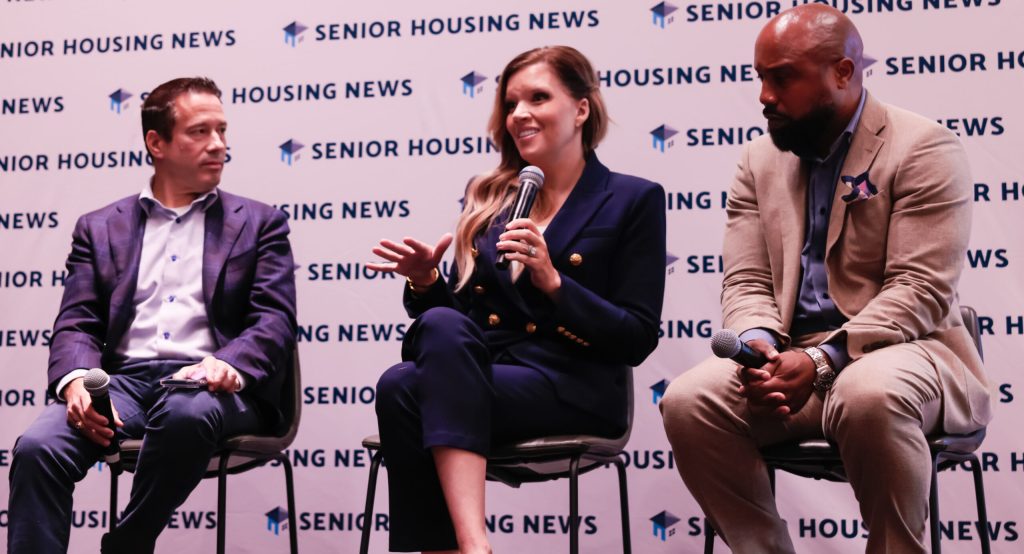
“We’re targeting the boomer generation, which I always say was the original ‘keeping up with the Joneses’ generation,” said Tiffany Goodman, Senior Director of Real Estate for Active Adult at Greystar, during a panel at the recent Senior Housing News BUILD conference in Dallas.
Greystar is not alone in addressing the changing preferences of this new resident base. Companies like FellowshipLife and Sunshine Retirement Communities are also investing in new amenities to appeal to active, health-conscious customers.
Catering to Boomers Who Want to Stay Active
Health and wellness are top priorities for FellowshipLife, based in Basking Ridge, New Jersey. The nonprofit organization features fitness centers and outdoor amenities such as putting greens, pickleball courts, and basketball courts, all designed to attract prospective residents who prioritize an active lifestyle.
“That gets a lot of attraction and interest, and really attracts those people that want to be fit and well for their future and retirement years,” said President and CEO Brian Lawrence.
FellowshipLife is also focusing on hospitality to draw in baby boomers. At its Fellowship Village community, a 257-seat theater hosts off-Broadway performances and other events open to the public, creating a pipeline of interest for future residents.
“I can’t express what a great marketing and brand awareness tool that is,” Lawrence added.
Additionally, FellowshipLife offers medical options, including a physician practice on-site, inviting the public to engage in proactive healthcare. This includes genetic counseling, which helps residents identify potential health issues early on.
Greystar, catering to residents with an average age of 71, faces the challenge of attracting individuals who choose to move into their communities voluntarily. This means competing not only with other active adult operators but also with older adults who prefer aging in place.
To entice new residents, Greystar’s communities typically feature advanced fitness centers, spas, and medical components aimed at proactive health care.
The company’s communities are characterized by expansive common areas, with clubhouses averaging between 10,000 and 14,000 square feet. Greystar invites clubs and community organizations to utilize these spaces, fostering a sense of community.
In Dallas, Greystar is developing a new community that will include a 6,000-square-foot fitness center, also open to the public. Some of their buildings are mixed-use, partnering with local businesses to generate additional interest while reducing operational costs.
Sunshine Retirement Communities, based in Bend, Oregon, also emphasizes dining as a draw for the public. The company has introduced grab-and-go stations that cater not only to residents but also to nearby workers. Their dining venues host private events, specialty dinners, and wine tastings, showcasing the culinary skills of restaurant chefs.
“It’s a great way to get the stigma off of senior living food,” said Stephen Eatman, Vice President of Sunshine Retirement.
Building Around Constraints
As they adapt to the needs of residents in 2025, all three operators must balance resident preferences with budgetary constraints. Sunshine evaluates its budget and the age of its communities when planning new amenities.
“A lot of times we’ll start with one company that’s going to be doing the construction on 10 apartments, and then, for whatever reason, we get through five of them, and we have to switch companies,” Eatman explained.
Due to the age of Sunshine’s buildings—some dating back 46 years—expansion can be challenging. Upgrading a dining room to modern standards, for example, can cost around $1 million.
Looking ahead, Eatman believes now is the time for operators to enhance their offerings, as “most of the industry is behind.”
Capital constraints are a significant concern for Greystar, leading to community downsizing to ensure development viability. To navigate these challenges, Goodman emphasized the importance of maximizing spaces with flexible, multi-use options that can adapt to consumer demands.
Lawrence highlighted the need for alignment among leadership, boards, and residents to successfully invest in improvements. “You’ve got to invest a lot into these improvements. You have to have a culture of reinvestment,” he stated, underscoring the importance of a unified vision for future success.
Health, wellness, and a sense of community support are key feelings that senior living companies aim to foster among residents in 2025. As the baby boomer generation continues to age, their preferences are shaping the landscape of senior living.
Recent data indicates that baby boomers overwhelmingly seek communities that promote independence, activity, and self-sufficiency. To attract this next generation of residents, senior living operators are enhancing their offerings with a variety of new amenities, including putting greens, pickleball courts, spas, and fitness facilities.
Moreover, incoming residents are increasingly interested in preventative health measures. In response, many companies are integrating medical facilities into their campuses, offering services such as genetic testing to support proactive health management.
One notable player in this evolving market is Greystar, one of the largest operators of active adult communities in the U.S. The company has developed multiple brands tailored to different market segments, effectively catering to the desires of baby boomers.
“We’re targeting the boomer generation, which I always say was the original ‘keeping up with the Joneses’ generation,” said Tiffany Goodman, Senior Director of Real Estate for Active Adult at Greystar, during a panel at the recent Senior Housing News BUILD conference in Dallas.
Greystar is not alone in addressing the changing preferences of this new resident base. Companies like FellowshipLife and Sunshine Retirement Communities are also investing in new amenities to appeal to active, health-conscious customers.
Catering to Boomers Who Want to Stay Active
Health and wellness are top priorities for FellowshipLife, based in Basking Ridge, New Jersey. The nonprofit organization features fitness centers and outdoor amenities such as putting greens, pickleball courts, and basketball courts, all designed to attract prospective residents who prioritize an active lifestyle.
“That gets a lot of attraction and interest, and really attracts those people that want to be fit and well for their future and retirement years,” said President and CEO Brian Lawrence.
FellowshipLife is also focusing on hospitality to draw in baby boomers. At its Fellowship Village community, a 257-seat theater hosts off-Broadway performances and other events open to the public, creating a pipeline of interest for future residents.
“I can’t express what a great marketing and brand awareness tool that is,” Lawrence added.
Additionally, FellowshipLife offers medical options, including a physician practice on-site, inviting the public to engage in proactive healthcare. This includes genetic counseling, which helps residents identify potential health issues early on.
Greystar, catering to residents with an average age of 71, faces the challenge of attracting individuals who choose to move into their communities voluntarily. This means competing not only with other active adult operators but also with older adults who prefer aging in place.
To entice new residents, Greystar’s communities typically feature advanced fitness centers, spas, and medical components aimed at proactive health care.
The company’s communities are characterized by expansive common areas, with clubhouses averaging between 10,000 and 14,000 square feet. Greystar invites clubs and community organizations to utilize these spaces, fostering a sense of community.
In Dallas, Greystar is developing a new community that will include a 6,000-square-foot fitness center, also open to the public. Some of their buildings are mixed-use, partnering with local businesses to generate additional interest while reducing operational costs.
Sunshine Retirement Communities, based in Bend, Oregon, also emphasizes dining as a draw for the public. The company has introduced grab-and-go stations that cater not only to residents but also to nearby workers. Their dining venues host private events, specialty dinners, and wine tastings, showcasing the culinary skills of restaurant chefs.
“It’s a great way to get the stigma off of senior living food,” said Stephen Eatman, Vice President of Sunshine Retirement.
Building Around Constraints
As they adapt to the needs of residents in 2025, all three operators must balance resident preferences with budgetary constraints. Sunshine evaluates its budget and the age of its communities when planning new amenities.
“A lot of times we’ll start with one company that’s going to be doing the construction on 10 apartments, and then, for whatever reason, we get through five of them, and we have to switch companies,” Eatman explained.
Due to the age of Sunshine’s buildings—some dating back 46 years—expansion can be challenging. Upgrading a dining room to modern standards, for example, can cost around $1 million.
Looking ahead, Eatman believes now is the time for operators to enhance their offerings, as “most of the industry is behind.”
Capital constraints are a significant concern for Greystar, leading to community downsizing to ensure development viability. To navigate these challenges, Goodman emphasized the importance of maximizing spaces with flexible, multi-use options that can adapt to consumer demands.
Lawrence highlighted the need for alignment among leadership, boards, and residents to successfully invest in improvements. “You’ve got to invest a lot into these improvements. You have to have a culture of reinvestment,” he stated, underscoring the importance of a unified vision for future success.