Urgent Assistance Needed: It’s on Fire!
Samuel Tremblett made a desperate plea to a 911 operator for help as he found himself trapped in his burning Tesla Model Y SUV following a crash in October. “I can’t get out, please help me,” he cried out.
The chilling transcript of the 20-year-old’s emergency call has surfaced in a lawsuit filed on Wednesday, which highlights a troubling trend: drivers or passengers unable to escape from Tesla vehicles due to malfunctioning electrically powered doors after accidents.
“It’s on fire. Help please,” Tremblett continued, expressing his fear, “I am going to die.” The details of the crash, previously reported by Bloomberg News, are part of a broader investigation into the dangers posed by electric door systems. These systems can fail, trapping occupants inside vehicles, especially after a collision. The investigation has revealed at least 15 fatalities over the past decade in incidents where occupants or rescuers were unable to open the doors of a Tesla that had crashed and caught fire.
After surviving the initial impact of the collision, which occurred about 30 miles outside of Boston, Tremblett’s remains were later discovered in the back seat of the vehicle, according to a police report.
Father of Tesla Cybertruck Crash Victim Files Lawsuit Over Death
“Unable to open the doors, Mr. Tremblett was trapped in the Tesla vehicle and died from thermal injuries and smoke inhalation before he was able to be rescued,” the complaint filed in Massachusetts federal court states.
Tesla has yet to respond to requests for comment regarding this tragic incident.
USC Basketball Star Alijah Arenas Recounts Tesla Cybertruck Crash
A senior Tesla executive indicated in September that the company is actively working on redesigning its door handles. In December, Tesla updated its website to announce that after detecting a serious collision, hazard lights would activate to enhance visibility, and “doors will automatically unlock for emergency access.”
Read More: Tesla Doors Can Trap People Desperate to Escape
Tesla is currently facing multiple lawsuits related to crashes that allegedly involved door-related entrapment. This includes cases filed last year in Washington state and Wisconsin.
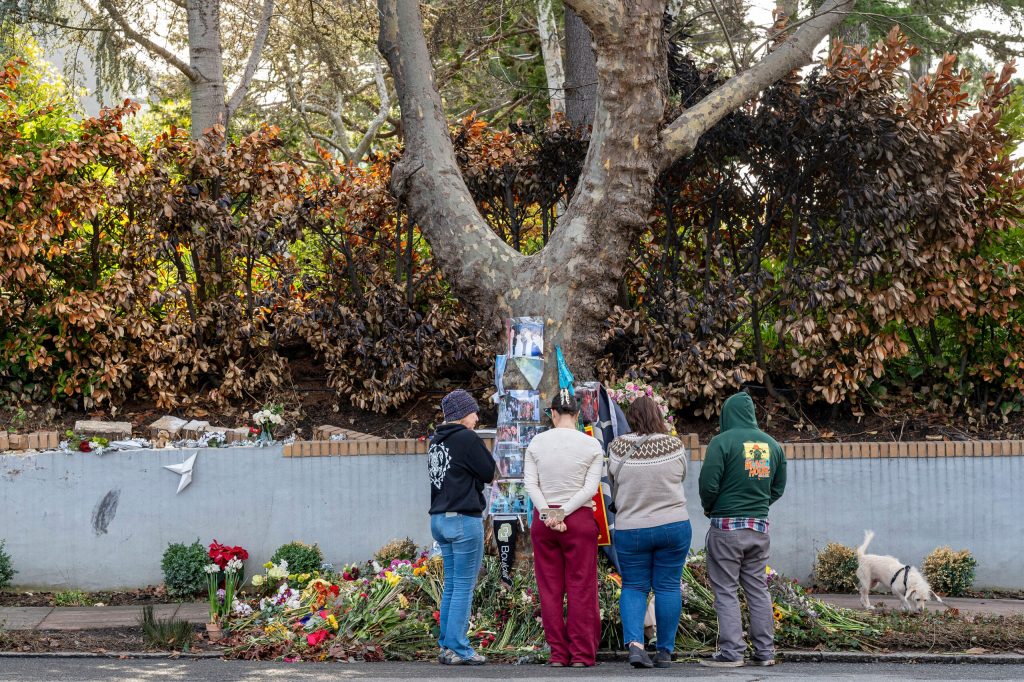
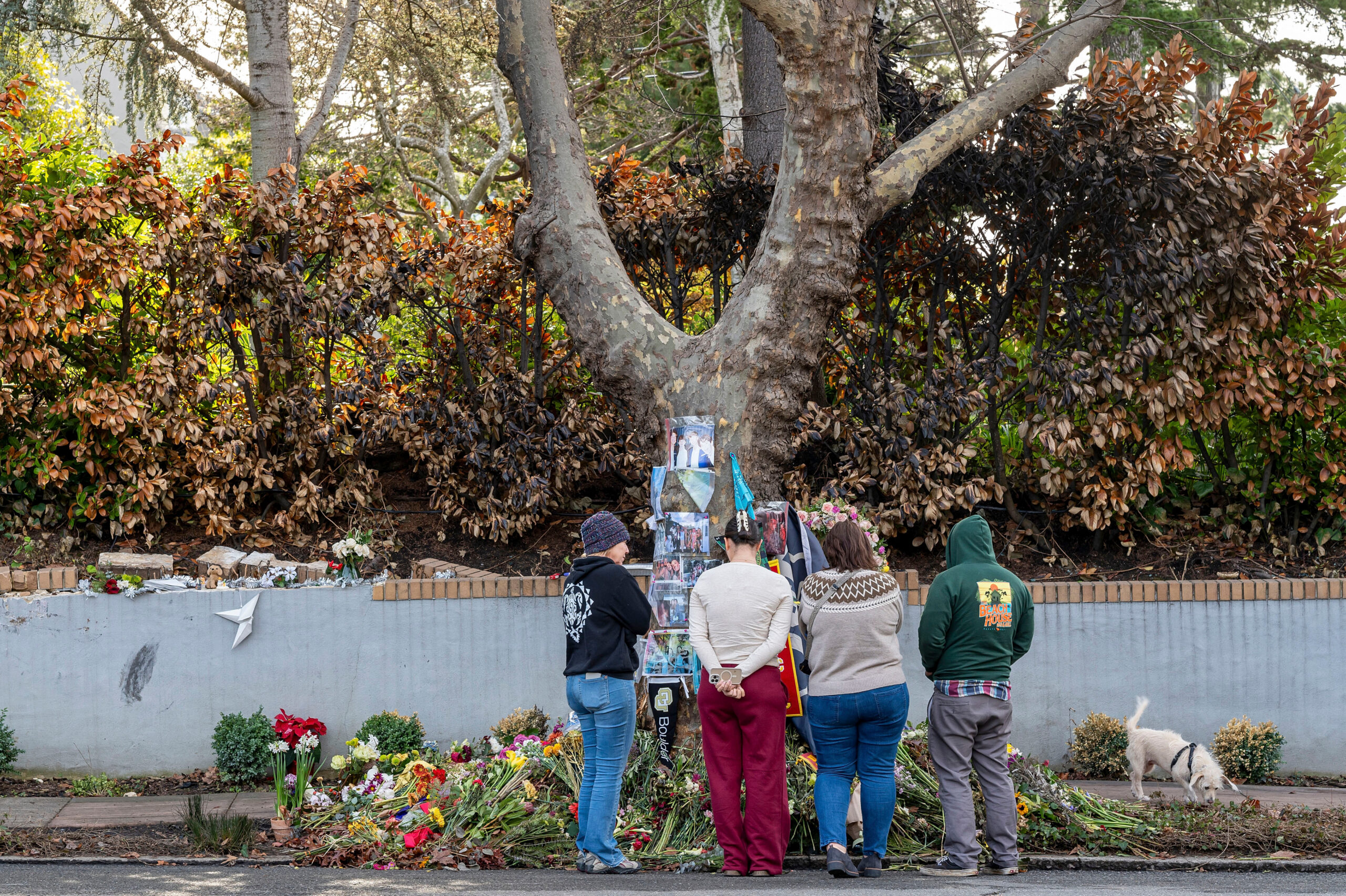
The company was sued in October over allegations that defects in the doors of a crashed Cybertruck in Piedmont, California, created a “death trap” by preventing three college students from escaping before they succumbed to smoke inhalation.
Tesla vehicles are equipped with two batteries: a low-voltage battery that powers interior functions like windows, doors, and the touchscreen, and a high-voltage battery that drives the vehicle. If the low-voltage battery fails or is disabled, the doors may not unlock and must be operated manually from inside. While there are mechanical releases inside Teslas, many owners and passengers are often unaware of their locations or how to use them.
Global Scrutiny
Electric door handles, which gained popularity through Tesla and are now common in many automakers’ models, have come under increased scrutiny worldwide. China has recently implemented new safety regulations banning concealed exterior handles and mandating mechanical releases, while European regulators are moving to expedite rulemaking on this issue.
Tesla’s European Regulator Says Door Safety a ‘Key Priority’
In September, shortly after Bloomberg’s initial investigation into Tesla’s handles, the National Highway Traffic Safety Administration (NHTSA) announced it was investigating potential defects in certain Model Y SUVs, citing incidents where exterior handles malfunctioned and trapped children and other occupants inside. In December, NHTSA stated it would review a defect probe request filed by a Georgia man who had to kick his way out of his burning Model 3 sedan.
Tesla Door Design Is Targeted by New US Automotive Safety Bill
A US lawmaker proposed legislation in January requiring manual door releases in new vehicles and ensuring that first responders can access vehicles when power is lost.
The case is Tremblett v. Tesla, 1:26-cv-10567, US District Court, District of Massachusetts (Boston).
Copyright 2026 Bloomberg.
Topics
Personal Auto
Tesla
Interested in Personal Auto?
Get automatic alerts for this topic.
Samuel Tremblett made a desperate plea to a 911 operator for help as he found himself trapped in his burning Tesla Model Y SUV following a crash in October. “I can’t get out, please help me,” he cried out.
The chilling transcript of the 20-year-old’s emergency call has surfaced in a lawsuit filed on Wednesday, which highlights a troubling trend: drivers or passengers unable to escape from Tesla vehicles due to malfunctioning electrically powered doors after accidents.
“It’s on fire. Help please,” Tremblett continued, expressing his fear, “I am going to die.” The details of the crash, previously reported by Bloomberg News, are part of a broader investigation into the dangers posed by electric door systems. These systems can fail, trapping occupants inside vehicles, especially after a collision. The investigation has revealed at least 15 fatalities over the past decade in incidents where occupants or rescuers were unable to open the doors of a Tesla that had crashed and caught fire.
After surviving the initial impact of the collision, which occurred about 30 miles outside of Boston, Tremblett’s remains were later discovered in the back seat of the vehicle, according to a police report.
Father of Tesla Cybertruck Crash Victim Files Lawsuit Over Death
“Unable to open the doors, Mr. Tremblett was trapped in the Tesla vehicle and died from thermal injuries and smoke inhalation before he was able to be rescued,” the complaint filed in Massachusetts federal court states.
Tesla has yet to respond to requests for comment regarding this tragic incident.
USC Basketball Star Alijah Arenas Recounts Tesla Cybertruck Crash
A senior Tesla executive indicated in September that the company is actively working on redesigning its door handles. In December, Tesla updated its website to announce that after detecting a serious collision, hazard lights would activate to enhance visibility, and “doors will automatically unlock for emergency access.”
Read More: Tesla Doors Can Trap People Desperate to Escape
Tesla is currently facing multiple lawsuits related to crashes that allegedly involved door-related entrapment. This includes cases filed last year in Washington state and Wisconsin.
The company was sued in October over allegations that defects in the doors of a crashed Cybertruck in Piedmont, California, created a “death trap” by preventing three college students from escaping before they succumbed to smoke inhalation.
Tesla vehicles are equipped with two batteries: a low-voltage battery that powers interior functions like windows, doors, and the touchscreen, and a high-voltage battery that drives the vehicle. If the low-voltage battery fails or is disabled, the doors may not unlock and must be operated manually from inside. While there are mechanical releases inside Teslas, many owners and passengers are often unaware of their locations or how to use them.
Global Scrutiny
Electric door handles, which gained popularity through Tesla and are now common in many automakers’ models, have come under increased scrutiny worldwide. China has recently implemented new safety regulations banning concealed exterior handles and mandating mechanical releases, while European regulators are moving to expedite rulemaking on this issue.
Tesla’s European Regulator Says Door Safety a ‘Key Priority’
In September, shortly after Bloomberg’s initial investigation into Tesla’s handles, the National Highway Traffic Safety Administration (NHTSA) announced it was investigating potential defects in certain Model Y SUVs, citing incidents where exterior handles malfunctioned and trapped children and other occupants inside. In December, NHTSA stated it would review a defect probe request filed by a Georgia man who had to kick his way out of his burning Model 3 sedan.
Tesla Door Design Is Targeted by New US Automotive Safety Bill
A US lawmaker proposed legislation in January requiring manual door releases in new vehicles and ensuring that first responders can access vehicles when power is lost.
The case is Tremblett v. Tesla, 1:26-cv-10567, US District Court, District of Massachusetts (Boston).
Copyright 2026 Bloomberg.
Topics
Personal Auto
Tesla
Interested in Personal Auto?
Get automatic alerts for this topic.