Trump Increases Beef Imports to Address Supply Shortages
R-CALF USA CEO Bill Bullard weighs in on President Donald Trump’s new farm-aid announcement, what it means for the industry, and the widening spread between beef and cattle prices on Making Money.
On Friday, President Donald Trump signed an executive order aimed at expanding beef imports from Argentina. This move comes as American consumers grapple with rising prices due to supply constraints affecting the U.S. cattle industry.
The executive order implements a trade framework established with Argentina in November, designed to increase beef imports and alleviate the surge in beef prices that have escalated in recent years.
In the years 2018-19, ground beef prices were below $4 per pound. However, prices began to rise during the pandemic and have remained above $5 per pound since June 2023, reaching approximately $6.69 per pound by December, according to data from the Bureau of Labor Statistics (BLS). Similarly, sirloin steaks, which were around $8.50 per pound in 2019, have surged to over $11 per pound since the summer of 2023, peaking at $14.02 per pound in December.
Over the past year, ground beef prices have increased by 15.5% through December, while steak prices have risen by 17.8%, as reported by the BLS’ consumer price index (CPI). A fresh CPI report is expected at the end of this week, with January’s data set to be released. However, high beef prices are anticipated to persist due to ongoing domestic supply challenges.
RANCHERS DISPUTE PRICE CLAIMS AFTER TRUMP EXPANDS ARGENTINE BEEF IMPORTS IN EXECUTIVE ORDER
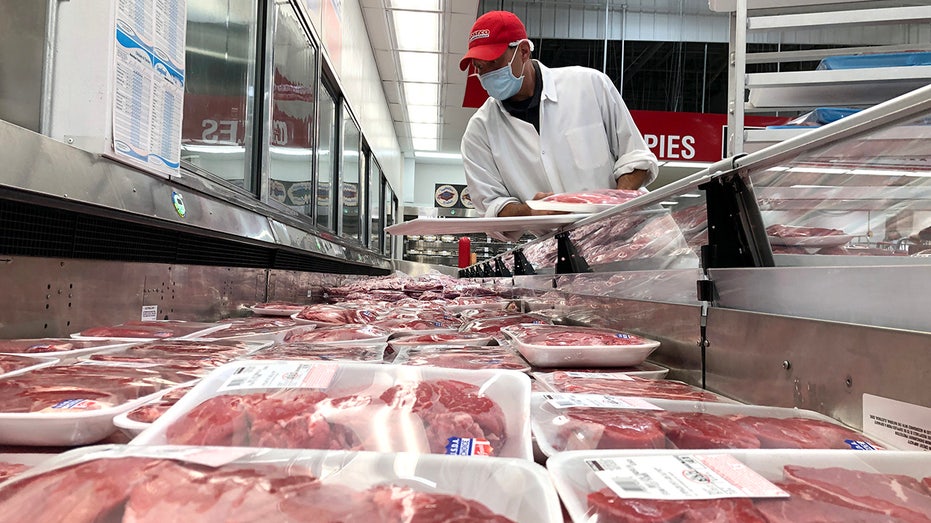
The price of steaks and ground beef has risen sharply over the last year. (Justin Sullivan/Getty Images)
Cattle ranchers have been forced to reduce their herds due to drought and wildfires impacting key ranching regions, resulting in the lowest nationwide cattle inventory in 70 years. While some ranchers are beginning to slowly rebuild their herds, it takes at least two years to raise full-grown cattle.
Additionally, overhead costs for cattle ranchers have surged, with expenses for feed, labor, fuel, and equipment all trending higher. Restrictions on cattle imports from Mexico due to the New World Screwworm, a parasitic infestation affecting livestock, have further complicated the situation.
BEEF PRICES SOAR AS AMERICAN FAMILIES PAY STEEP PRICES FOR STEAKS AND BURGERS NATIONWIDE
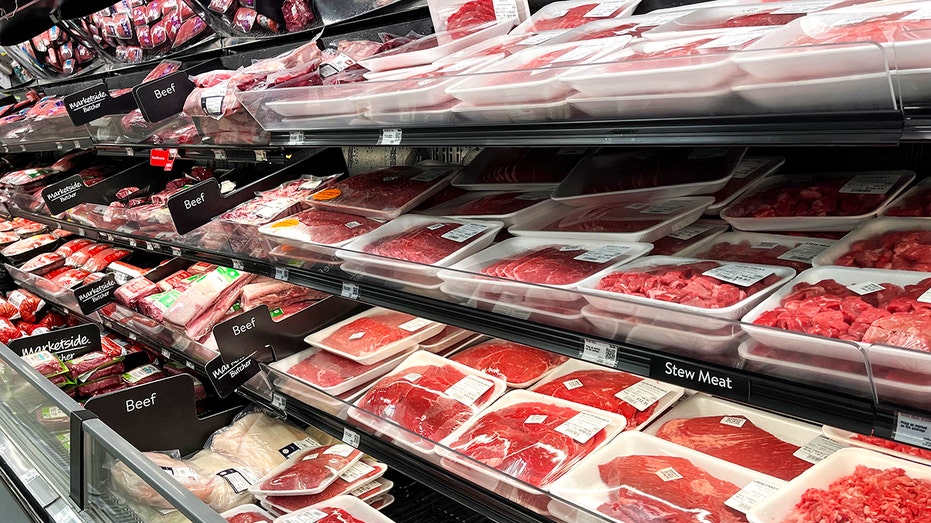
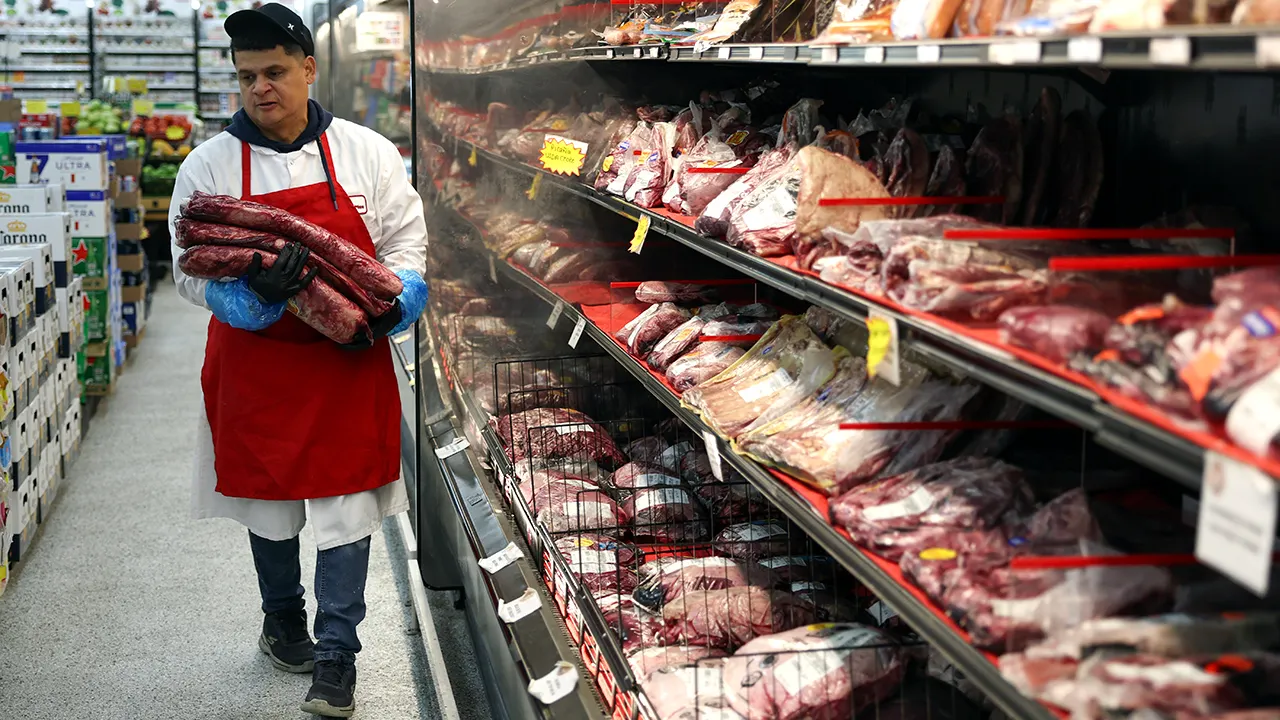
American consumers have faced a significant rise in beef prices over the past few years. (Ronald Schemidt/AFP via Getty Images / Getty Images)
Under the Trump administration’s announcement, the tariff-rate quota for imports of lean beef trimmings from Argentina will increase by 80,000 metric tons for the calendar year 2026. These additional imports will be allocated entirely to Argentina and released in four quarterly tranches starting February 13.
The White House stated that this action aims to boost supply and make ground beef more affordable for American consumers, citing an 8.6% decline in domestic beef cattle inventory since 2020.
BEEF PRICES HIT RECORD HIGHS AS NATIONWIDE CATTLE INVENTORY DROPS TO LOWEST LEVEL IN 70 YEARS
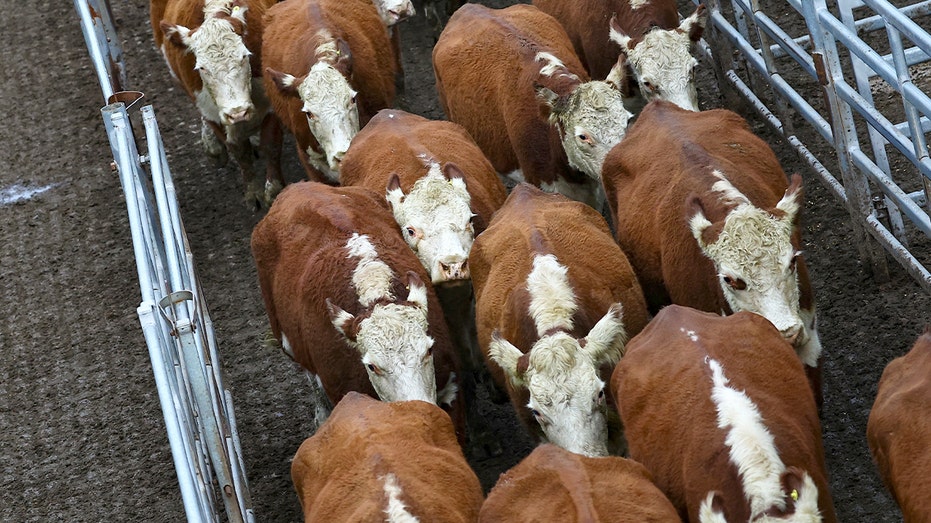
The U.S. beef cattle inventory is at the lowest level in 70 years. (Agustin Marcarian/Reuters)
This announcement has faced criticism from the nation’s largest cattle industry group, which questions whether the increased imports will provide the price relief that the administration promises. Kent Bacus, executive director of international trade and market access at the National Cattlemen’s Beef Association (NCBA), expressed skepticism, stating, “While we fundamentally disagree with the premise that increased imports can lower beef prices, NCBA is encouraged to see the Trump administration take necessary steps to address longstanding market-access challenges for U.S. beef in Argentina.”
Bacus also raised concerns about Argentina’s history with foreign animal diseases, warning that expanding imports without stronger safeguards could pose risks to American consumers and the cattle herd.
GET FOX BUSINESS ON THE GO BY CLICKING HERE
“Given Argentina’s issues with foreign animal diseases, NCBA remains concerned that expanding imports from Argentina without increased inspection protocols and up-to-date audits could place American consumers and our cattle herd at unnecessary risk,” Bacus added.
FOX Business’ Jasmine Baehr contributed to this report.
R-CALF USA CEO Bill Bullard weighs in on President Donald Trump’s new farm-aid announcement, what it means for the industry, and the widening spread between beef and cattle prices on Making Money.
On Friday, President Donald Trump signed an executive order aimed at expanding beef imports from Argentina. This move comes as American consumers grapple with rising prices due to supply constraints affecting the U.S. cattle industry.
The executive order implements a trade framework established with Argentina in November, designed to increase beef imports and alleviate the surge in beef prices that have escalated in recent years.
In the years 2018-19, ground beef prices were below $4 per pound. However, prices began to rise during the pandemic and have remained above $5 per pound since June 2023, reaching approximately $6.69 per pound by December, according to data from the Bureau of Labor Statistics (BLS). Similarly, sirloin steaks, which were around $8.50 per pound in 2019, have surged to over $11 per pound since the summer of 2023, peaking at $14.02 per pound in December.
Over the past year, ground beef prices have increased by 15.5% through December, while steak prices have risen by 17.8%, as reported by the BLS’ consumer price index (CPI). A fresh CPI report is expected at the end of this week, with January’s data set to be released. However, high beef prices are anticipated to persist due to ongoing domestic supply challenges.
RANCHERS DISPUTE PRICE CLAIMS AFTER TRUMP EXPANDS ARGENTINE BEEF IMPORTS IN EXECUTIVE ORDER
The price of steaks and ground beef has risen sharply over the last year. (Justin Sullivan/Getty Images)
Cattle ranchers have been forced to reduce their herds due to drought and wildfires impacting key ranching regions, resulting in the lowest nationwide cattle inventory in 70 years. While some ranchers are beginning to slowly rebuild their herds, it takes at least two years to raise full-grown cattle.
Additionally, overhead costs for cattle ranchers have surged, with expenses for feed, labor, fuel, and equipment all trending higher. Restrictions on cattle imports from Mexico due to the New World Screwworm, a parasitic infestation affecting livestock, have further complicated the situation.
BEEF PRICES SOAR AS AMERICAN FAMILIES PAY STEEP PRICES FOR STEAKS AND BURGERS NATIONWIDE
American consumers have faced a significant rise in beef prices over the past few years. (Ronald Schemidt/AFP via Getty Images / Getty Images)
Under the Trump administration’s announcement, the tariff-rate quota for imports of lean beef trimmings from Argentina will increase by 80,000 metric tons for the calendar year 2026. These additional imports will be allocated entirely to Argentina and released in four quarterly tranches starting February 13.
The White House stated that this action aims to boost supply and make ground beef more affordable for American consumers, citing an 8.6% decline in domestic beef cattle inventory since 2020.
BEEF PRICES HIT RECORD HIGHS AS NATIONWIDE CATTLE INVENTORY DROPS TO LOWEST LEVEL IN 70 YEARS
The U.S. beef cattle inventory is at the lowest level in 70 years. (Agustin Marcarian/Reuters)
This announcement has faced criticism from the nation’s largest cattle industry group, which questions whether the increased imports will provide the price relief that the administration promises. Kent Bacus, executive director of international trade and market access at the National Cattlemen’s Beef Association (NCBA), expressed skepticism, stating, “While we fundamentally disagree with the premise that increased imports can lower beef prices, NCBA is encouraged to see the Trump administration take necessary steps to address longstanding market-access challenges for U.S. beef in Argentina.”
Bacus also raised concerns about Argentina’s history with foreign animal diseases, warning that expanding imports without stronger safeguards could pose risks to American consumers and the cattle herd.
GET FOX BUSINESS ON THE GO BY CLICKING HERE
“Given Argentina’s issues with foreign animal diseases, NCBA remains concerned that expanding imports from Argentina without increased inspection protocols and up-to-date audits could place American consumers and our cattle herd at unnecessary risk,” Bacus added.
FOX Business’ Jasmine Baehr contributed to this report.