White House Announces Trump Will Revoke Climate Change Determination Crucial for Auto Emissions Regulations
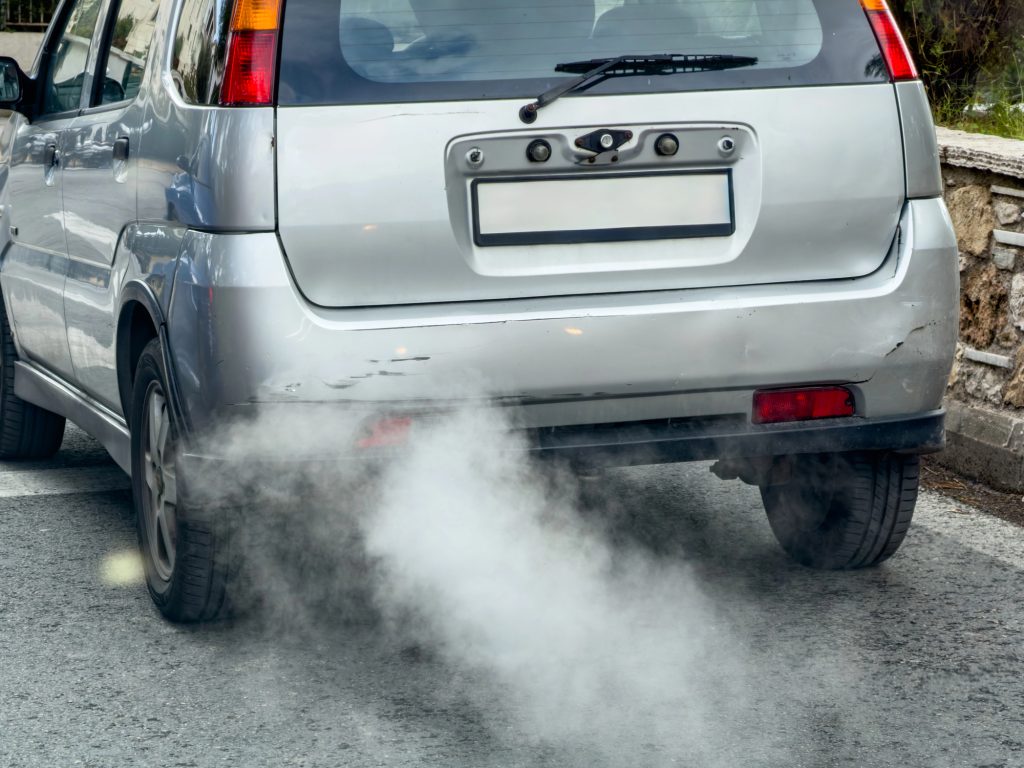
U.S. President Donald Trump is set to announce a significant shift in environmental policy on Thursday, aiming to dismantle the Obama-era legal framework that underpins federal greenhouse gas regulations. This move will effectively repeal existing vehicle emissions standards, as confirmed by the White House on Tuesday.
During the announcement, White House press secretary Karoline Leavitt stated that Trump will be joined by Environmental Protection Agency (EPA) administrator Lee Zeldin. Together, they will formalize the rescission of the scientific finding established by then-President Barack Obama in 2009, which deemed carbon dioxide a threat to human health.
Leavitt emphasized that this action represents the largest deregulatory effort in U.S. history, projecting a reduction of approximately $2,400 in costs for automakers per vehicle.
This initiative, which was formally proposed by Trump’s Republican administration in July, marks the most extensive rollback of climate change policies to date. It follows a series of regulatory cuts aimed at promoting fossil fuel development while hindering the advancement of clean energy initiatives.
An EPA spokesperson noted that the previous finding had been utilized by both the Obama and Biden administrations to justify extensive greenhouse gas regulations affecting new vehicles and engines.
In contrast, the rules introduced by former President Joe Biden’s administration in 2024 sought to reduce passenger vehicle fleetwide tailpipe emissions by nearly 50% by 2032, compared to projected levels for 2027. The EPA estimated that between 35% and 56% of new vehicles sold from 2030 to 2032 would need to be electric. These regulations were projected to yield net benefits of $99 billion annually through 2055, including $46 billion in reduced fuel costs and $16 billion in lower maintenance and repair expenses for drivers.
Consumers were anticipated to save an average of $6,000 over the lifespan of new vehicles due to decreased fuel and maintenance costs.
In September, a coalition representing major automakers requested the EPA to reconsider stringent vehicle emissions limits. However, they also urged the agency to revise the Biden-era rules, arguing that adjustments are necessary to establish feasible standards that provide certainty for the industry. The Alliance for Automotive Innovation, which includes major players like General Motors, Toyota, and Volkswagen, stated, “Such a contingency plan will be critical if motor vehicle GHG standards are retained or reinstated in some way.”
The repeal of these regulations will eliminate the requirements for measuring, reporting, certifying, and complying with federal greenhouse gas emission standards for cars and trucks.
(Reporting by David Shepardson, Andrea Shalal, and Steve Holland; editing by Michelle Nichols and Nia Williams)
Topics
Auto
Climate Change
Interested in Auto?
Get automatic alerts for this topic.
U.S. President Donald Trump is set to announce a significant shift in environmental policy on Thursday, aiming to dismantle the Obama-era legal framework that underpins federal greenhouse gas regulations. This move will effectively repeal existing vehicle emissions standards, as confirmed by the White House on Tuesday.
During the announcement, White House press secretary Karoline Leavitt stated that Trump will be joined by Environmental Protection Agency (EPA) administrator Lee Zeldin. Together, they will formalize the rescission of the scientific finding established by then-President Barack Obama in 2009, which deemed carbon dioxide a threat to human health.
Leavitt emphasized that this action represents the largest deregulatory effort in U.S. history, projecting a reduction of approximately $2,400 in costs for automakers per vehicle.
This initiative, which was formally proposed by Trump’s Republican administration in July, marks the most extensive rollback of climate change policies to date. It follows a series of regulatory cuts aimed at promoting fossil fuel development while hindering the advancement of clean energy initiatives.
An EPA spokesperson noted that the previous finding had been utilized by both the Obama and Biden administrations to justify extensive greenhouse gas regulations affecting new vehicles and engines.
In contrast, the rules introduced by former President Joe Biden’s administration in 2024 sought to reduce passenger vehicle fleetwide tailpipe emissions by nearly 50% by 2032, compared to projected levels for 2027. The EPA estimated that between 35% and 56% of new vehicles sold from 2030 to 2032 would need to be electric. These regulations were projected to yield net benefits of $99 billion annually through 2055, including $46 billion in reduced fuel costs and $16 billion in lower maintenance and repair expenses for drivers.
Consumers were anticipated to save an average of $6,000 over the lifespan of new vehicles due to decreased fuel and maintenance costs.
In September, a coalition representing major automakers requested the EPA to reconsider stringent vehicle emissions limits. However, they also urged the agency to revise the Biden-era rules, arguing that adjustments are necessary to establish feasible standards that provide certainty for the industry. The Alliance for Automotive Innovation, which includes major players like General Motors, Toyota, and Volkswagen, stated, “Such a contingency plan will be critical if motor vehicle GHG standards are retained or reinstated in some way.”
The repeal of these regulations will eliminate the requirements for measuring, reporting, certifying, and complying with federal greenhouse gas emission standards for cars and trucks.
(Reporting by David Shepardson, Andrea Shalal, and Steve Holland; editing by Michelle Nichols and Nia Williams)
Topics
Auto
Climate Change
Interested in Auto?
Get automatic alerts for this topic.