California Refinery Shutdown Could Push Gas Prices Even Higher
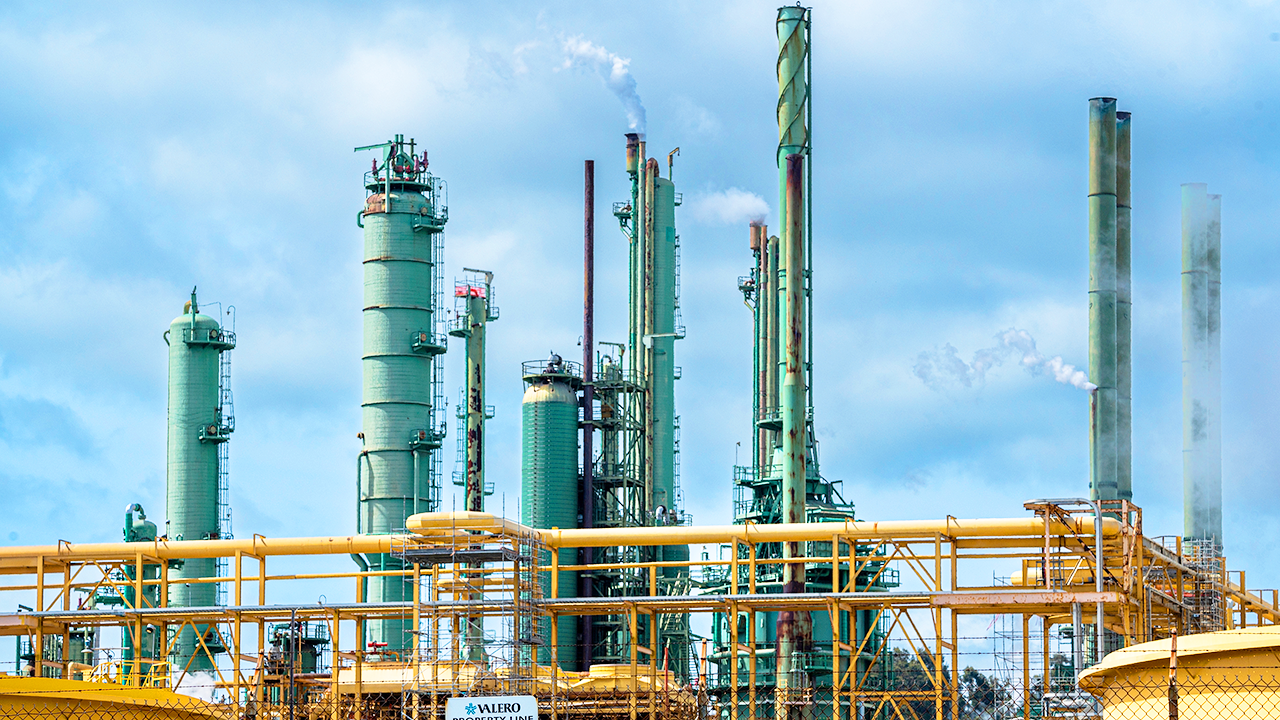
FOX Business’ Jeff Flock has the details from New Jersey on ‘Mornings with Maria.’
California’s fuel market is facing significant challenges as refinery capacity continues to decline in the nation’s largest gasoline market. The impending closure of Valero’s Benicia refinery, one of the state’s few remaining major facilities, is set to exacerbate supply issues in a system already operating with minimal margin for disruption.
During a segment on “Mornings with Maria“, FOX Business’ Jeff Flock reported on the ramifications of this refinery shutdown, which has raised concerns about escalating gas prices, potential job losses, and increased volatility in California’s fuel market.
Rep. Jason Smith, R-Mo., joins ‘Mornings with Maria’ to discuss President Donald Trump’s economic agenda, falling gas prices, tax refunds, and the upcoming midterm elections.
The tightening supply has already resulted in higher prices and growing uncertainty for drivers. California lawmakers have expressed alarm, emphasizing that the situation is no longer a hypothetical concern. “California is truly at a breaking point. Refineries are closing, supply is diminishing, and my constituents are paying more at the pump every single day,” stated Republican state Sen. Suzette Martinez Valladares.
CALIFORNIA’S ‘BILLIONAIRE TAX’ WILL BE ‘DISASTROUS’ AND CAUSE WEALTHY TO FLEE, ECONOMIST PREDICTS
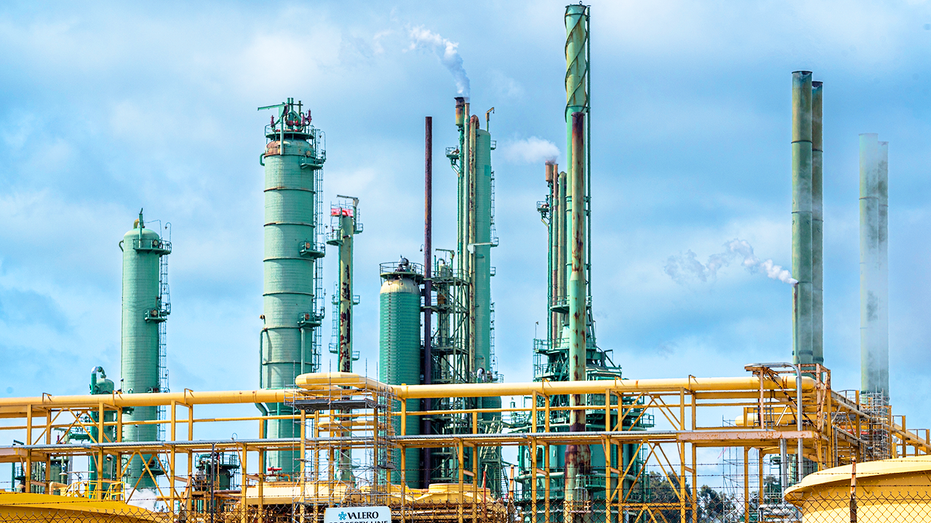
Valero’s Benicia Refinery in California in operation. (Paul Morris/Bloomberg / Getty Images)
The Benicia facility, located in Northern California, has been a crucial supplier of gasoline to a state that consumes more fuel than any other except Texas. Its closure follows a trend of refinery exits that have steadily diminished California’s capacity to produce its own gasoline, making the state increasingly reliant on a limited number of remaining plants and imported fuel that must adhere to its unique regulatory standards.
With fewer refineries in operation, even routine maintenance or unexpected outages can lead to significant price fluctuations at the pump.
FOX Business’ Stuart Varney analyzes a scathing New York Times op-ed of Gov. Gavin Newsom, examining the exodus of over one million residents, the state’s dead-last affordability ranking, and the strategic liability he poses to his party.
State lawmakers are increasingly pointing to energy policy as a key factor behind the tightening market. Critics argue that years of regulations and penalties have deterred long-term investment in refining infrastructure, leading to accelerated closures and amplified price swings for consumers. Conversely, supporters of these policies contend that refinery shutdowns align with the state’s broader environmental and climate goals.
TRUMP CONSIDERS CAPPING STATE GAS TAX, SIGNALS POSSIBLE RELIEF FOR CALIFORNIANS
“This is happening right now, and the longer we wait to address this issue, the more instability and volatility we’ll see here in California,” Valladares emphasized.
FOX Business’ Jeff Flock has the details from New Jersey on ‘Mornings with Maria.’
California’s fuel market is facing significant challenges as refinery capacity continues to decline in the nation’s largest gasoline market. The impending closure of Valero’s Benicia refinery, one of the state’s few remaining major facilities, is set to exacerbate supply issues in a system already operating with minimal margin for disruption.
During a segment on “Mornings with Maria“, FOX Business’ Jeff Flock reported on the ramifications of this refinery shutdown, which has raised concerns about escalating gas prices, potential job losses, and increased volatility in California’s fuel market.
Rep. Jason Smith, R-Mo., joins ‘Mornings with Maria’ to discuss President Donald Trump’s economic agenda, falling gas prices, tax refunds, and the upcoming midterm elections.
The tightening supply has already resulted in higher prices and growing uncertainty for drivers. California lawmakers have expressed alarm, emphasizing that the situation is no longer a hypothetical concern. “California is truly at a breaking point. Refineries are closing, supply is diminishing, and my constituents are paying more at the pump every single day,” stated Republican state Sen. Suzette Martinez Valladares.
CALIFORNIA’S ‘BILLIONAIRE TAX’ WILL BE ‘DISASTROUS’ AND CAUSE WEALTHY TO FLEE, ECONOMIST PREDICTS
Valero’s Benicia Refinery in California in operation. (Paul Morris/Bloomberg / Getty Images)
The Benicia facility, located in Northern California, has been a crucial supplier of gasoline to a state that consumes more fuel than any other except Texas. Its closure follows a trend of refinery exits that have steadily diminished California’s capacity to produce its own gasoline, making the state increasingly reliant on a limited number of remaining plants and imported fuel that must adhere to its unique regulatory standards.
With fewer refineries in operation, even routine maintenance or unexpected outages can lead to significant price fluctuations at the pump.
FOX Business’ Stuart Varney analyzes a scathing New York Times op-ed of Gov. Gavin Newsom, examining the exodus of over one million residents, the state’s dead-last affordability ranking, and the strategic liability he poses to his party.
State lawmakers are increasingly pointing to energy policy as a key factor behind the tightening market. Critics argue that years of regulations and penalties have deterred long-term investment in refining infrastructure, leading to accelerated closures and amplified price swings for consumers. Conversely, supporters of these policies contend that refinery shutdowns align with the state’s broader environmental and climate goals.
TRUMP CONSIDERS CAPPING STATE GAS TAX, SIGNALS POSSIBLE RELIEF FOR CALIFORNIANS
“This is happening right now, and the longer we wait to address this issue, the more instability and volatility we’ll see here in California,” Valladares emphasized.