Texas Skies: The Confusion Caused by Drones, Drugs, and Laser Beams
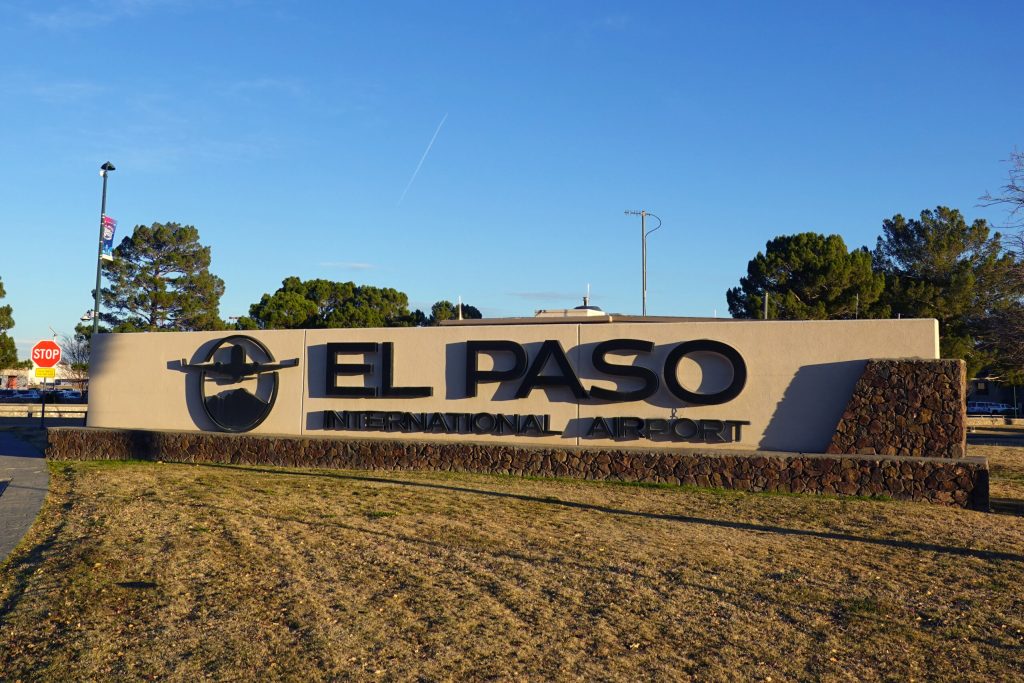
For a few hours on Wednesday, the sleepy airport of El Paso, Texas, became a sudden flashpoint for confusion.
Late Tuesday night, the Federal Aviation Administration (FAA) issued a terse notice to pilots announcing the closure of airspace in the area for an unprecedented 10 days due to “special security reasons.” Almost as suddenly, the FAA lifted the restrictions Wednesday morning.
Conflicting accounts of what prompted the initial action quickly emerged.
Trump administration officials, including Transportation Secretary Sean Duffy, stated that the shutdown was in response to drones operated by Mexican drug cartels that had breached U.S. airspace. Duffy claimed in a social media post that the FAA and Defense Department “acted swiftly” to neutralize the threat.
However, others familiar with the situation painted a different picture, suggesting a communication breakdown within key parts of the U.S. government.
According to insiders, the FAA closed the airspace because the Pentagon was conducting drone flights and testing high-energy laser technology aimed at countering unmanned aircraft. This initiative was part of efforts to combat potential threats from cartel-operated drones, with reports indicating that Pentagon drones were operating outside of normal flight paths.
The contrasting accounts drew the attention of lawmakers from both parties, with senators calling for a classified briefing, signaling that the issue may attract further scrutiny.
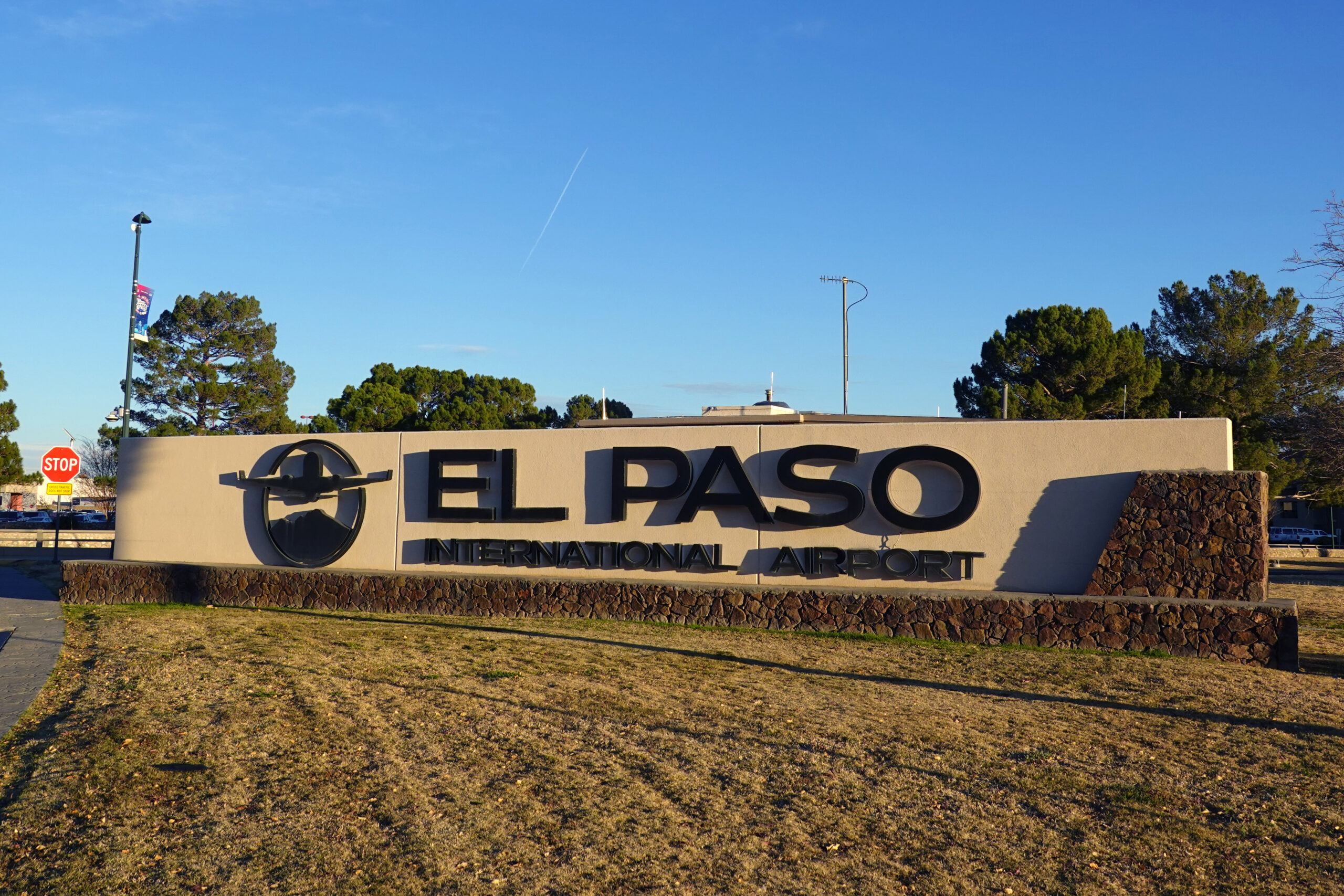
The military activities were conducted in airspace near El Paso International Airport, which shares airspace with a U.S. Army base. This raised concerns at the FAA about potential interference with civilian aircraft, according to sources who requested anonymity due to the sensitive nature of the information.
The FAA and the Defense Department were scheduled to meet on February 20 to discuss the safety impacts of the counter-drone technology, but the Pentagon sought to expedite the process.
Neither the FAA nor the Defense Department responded to requests for comment regarding the testing of counter-drone technology or coordination on safety protocols. The Army declined to comment and referred inquiries to the Defense Department.
The differing explanations have fueled confusion over the reasons behind the unusual airspace closure.
Mexico’s President Claudia Sheinbaum stated during a daily news conference that her government would investigate the reasons for the airspace closure in Texas, asserting, “There is no information about the use of drones at the border.”
Representatives Rick Larsen and André Carson, both prominent Democrats on the House Transportation and Infrastructure Committee, labeled the situation “unacceptable.” They attributed the incident to legislation that expands the Defense Department’s counter-drone authorities, allowing the Pentagon to act “recklessly in public airspace.”
Senator Ted Cruz, a Republican from Texas and chair of the Senate Commerce Committee, remarked that “the details of what exactly occurred over El Paso are unclear.” He indicated that lawmakers would seek a classified briefing soon, following a briefing by FAA Administrator Bryan Bedford on the agency’s air traffic modernization efforts.
Bedford mentioned he would respond directly to Cruz regarding a classified briefing but refrained from answering further questions from reporters about the El Paso incident.
Local officials reported that federal authorities provided no advance notice to the city government, the airport, or local military presence prior to the closure. Chris Canales, a member of El Paso’s city council, stated, “We have no reason to believe that there is any kind of imminent safety threat to El Paso, but we still have no reason for the flight restriction provided by the FAA or any federal authority.”
Senior officials from the Department of Homeland Security previously informed lawmakers that Mexican drug cartels have utilized weaponized drones to attack one another and could pose threats to U.S. military or law enforcement. They sought assistance to combat drones used by criminal groups for surveillance and smuggling.
President Donald Trump has pledged to combat Mexico’s cartels, which have increasingly employed drones to smuggle drugs over the U.S. southern border. The decision to shut down airspace near the border triggered speculation that the military could be moving to fulfill Trump’s repeated threats to strike drug trafficking organizations on land.
The FAA had previously urged pilots to exercise caution due to “heightened military activity in or around Venezuela” as the Trump administration amassed forces in the region. Officials later temporarily closed parts of Caribbean airspace during a dramatic raid to capture Venezuela’s then-president Nicolas Maduro.
The U.S. Army has invested years in developing directed energy weapons, including high-energy lasers, to counter enemy drones as a more cost-effective and versatile alternative to missiles.
Copyright 2026 Bloomberg.
Topics
Texas
Interested in Drones?
Get automatic alerts for this topic.
For a few hours on Wednesday, the sleepy airport of El Paso, Texas, became a sudden flashpoint for confusion.
Late Tuesday night, the Federal Aviation Administration (FAA) issued a terse notice to pilots announcing the closure of airspace in the area for an unprecedented 10 days due to “special security reasons.” Almost as suddenly, the FAA lifted the restrictions Wednesday morning.
Conflicting accounts of what prompted the initial action quickly emerged.
Trump administration officials, including Transportation Secretary Sean Duffy, stated that the shutdown was in response to drones operated by Mexican drug cartels that had breached U.S. airspace. Duffy claimed in a social media post that the FAA and Defense Department “acted swiftly” to neutralize the threat.
However, others familiar with the situation painted a different picture, suggesting a communication breakdown within key parts of the U.S. government.
According to insiders, the FAA closed the airspace because the Pentagon was conducting drone flights and testing high-energy laser technology aimed at countering unmanned aircraft. This initiative was part of efforts to combat potential threats from cartel-operated drones, with reports indicating that Pentagon drones were operating outside of normal flight paths.
The contrasting accounts drew the attention of lawmakers from both parties, with senators calling for a classified briefing, signaling that the issue may attract further scrutiny.
The military activities were conducted in airspace near El Paso International Airport, which shares airspace with a U.S. Army base. This raised concerns at the FAA about potential interference with civilian aircraft, according to sources who requested anonymity due to the sensitive nature of the information.
The FAA and the Defense Department were scheduled to meet on February 20 to discuss the safety impacts of the counter-drone technology, but the Pentagon sought to expedite the process.
Neither the FAA nor the Defense Department responded to requests for comment regarding the testing of counter-drone technology or coordination on safety protocols. The Army declined to comment and referred inquiries to the Defense Department.
The differing explanations have fueled confusion over the reasons behind the unusual airspace closure.
Mexico’s President Claudia Sheinbaum stated during a daily news conference that her government would investigate the reasons for the airspace closure in Texas, asserting, “There is no information about the use of drones at the border.”
Representatives Rick Larsen and André Carson, both prominent Democrats on the House Transportation and Infrastructure Committee, labeled the situation “unacceptable.” They attributed the incident to legislation that expands the Defense Department’s counter-drone authorities, allowing the Pentagon to act “recklessly in public airspace.”
Senator Ted Cruz, a Republican from Texas and chair of the Senate Commerce Committee, remarked that “the details of what exactly occurred over El Paso are unclear.” He indicated that lawmakers would seek a classified briefing soon, following a briefing by FAA Administrator Bryan Bedford on the agency’s air traffic modernization efforts.
Bedford mentioned he would respond directly to Cruz regarding a classified briefing but refrained from answering further questions from reporters about the El Paso incident.
Local officials reported that federal authorities provided no advance notice to the city government, the airport, or local military presence prior to the closure. Chris Canales, a member of El Paso’s city council, stated, “We have no reason to believe that there is any kind of imminent safety threat to El Paso, but we still have no reason for the flight restriction provided by the FAA or any federal authority.”
Senior officials from the Department of Homeland Security previously informed lawmakers that Mexican drug cartels have utilized weaponized drones to attack one another and could pose threats to U.S. military or law enforcement. They sought assistance to combat drones used by criminal groups for surveillance and smuggling.
President Donald Trump has pledged to combat Mexico’s cartels, which have increasingly employed drones to smuggle drugs over the U.S. southern border. The decision to shut down airspace near the border triggered speculation that the military could be moving to fulfill Trump’s repeated threats to strike drug trafficking organizations on land.
The FAA had previously urged pilots to exercise caution due to “heightened military activity in or around Venezuela” as the Trump administration amassed forces in the region. Officials later temporarily closed parts of Caribbean airspace during a dramatic raid to capture Venezuela’s then-president Nicolas Maduro.
The U.S. Army has invested years in developing directed energy weapons, including high-energy lasers, to counter enemy drones as a more cost-effective and versatile alternative to missiles.
Copyright 2026 Bloomberg.
Topics
Texas
Interested in Drones?
Get automatic alerts for this topic.