BBB Alerts Taxpayers: Beware of Tax Filing Scams Targeting Personal Information for Identity Theft

J.P. Morgan Asset Management chief global strategist David Kelly dissects what is hard to get out of the market and more on ‘Making Money.’
As tax filing season kicks off, it’s crucial for taxpayers to remain vigilant against a surge of scams designed to exploit unsuspecting individuals. Scammers are constantly evolving their tactics to obtain money and personal information from taxpayers.
The International Association of Better Business Bureaus (BBB) has issued a warning that tax scams often begin with a phone call and can be categorized into two main types.
In the first scenario, a caller posing as an IRS agent claims that the victim owes back taxes. The scammer pressures the individual to pay immediately using a prepaid debit card or wire transfer, threatening arrest and hefty fines for noncompliance.
The second common tactic involves scammers claiming to issue tax refunds. They request personal information under the pretense of sending the refund. This information can later be used for identity theft. College students are particularly targeted with claims that their “federal student tax” remains unpaid.
TAX FILING SEASON IS OFFICIALLY HERE: WHAT YOU NEED TO KNOW

The Better Business Bureau warns taxpayers to be cautious when contacted by someone claiming to be from the IRS. (iStock)
The BBB report highlights that tax scammers often employ various tactics to appear credible. They may provide a fake badge number or name, and the caller ID might show a Washington, D.C. number. Some scammers even use serious-sounding “robocall” recordings to lend an air of legitimacy.
Additionally, scammers may follow up with emails that mimic IRS logos and language, making them seem official. They often pressure victims to act immediately, preventing them from asking questions or processing the information being presented.
HERE’S WHEN TAXPAYERS WILL GET THEIR REFUNDS
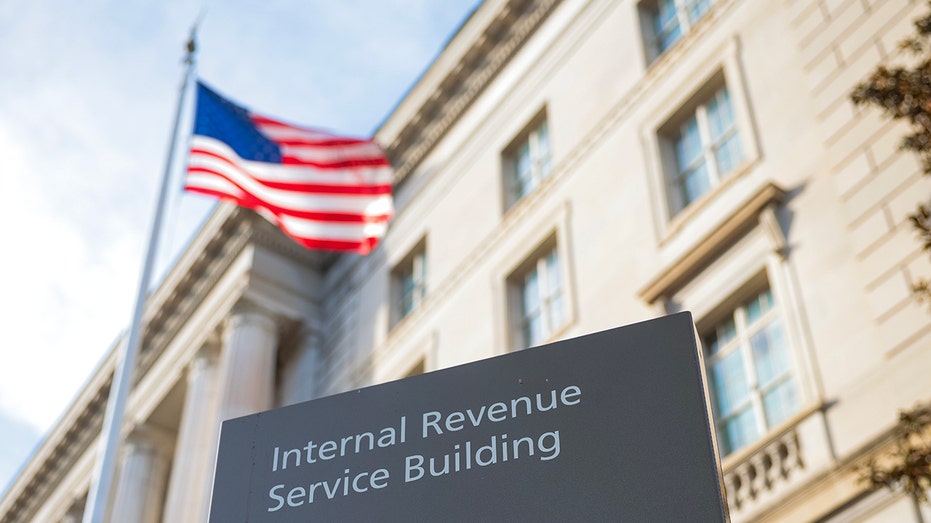
The IRS doesn’t initiate contact with taxpayers by phone or email and won’t demand immediate action, as taxpayers have the right to appeal its decisions. (Kayla Bartkowski/Getty Images)
Scammers may also demand payment through methods like wire transfers or prepaid debit cards, which are difficult to trace or reverse. The legitimate IRS will never require immediate payment, mandate a specific payment method, or ask for credit or debit card numbers over the phone.
The BBB emphasizes that the IRS allows taxpayers to ask questions or appeal any back taxes owed. Importantly, the IRS always initiates contact via mail—not through phone calls, texts, emails, or social media. This knowledge can empower taxpayers to better defend against scam attempts.
DATA BREACH EXPOSES PERSONAL DATA OF 25M AMERICANS

Tax scammers may use a variety of methods to target taxpayers. (iStock)
The IRS has also alerted taxpayers about a mailing scam that tricks victims into believing they have a tax refund waiting for them. Victims receive a cardboard envelope containing a fake letter from the IRS regarding an unclaimed refund, requesting personal and financial information.
The BBB advises taxpayers who are uncertain about the legitimacy of phone calls or other communications claiming to be from the IRS to contact the agency directly. This allows them to verify whether the outreach was genuine.
GET FOX BUSINESS ON THE GO BY CLICKING HERE
Additionally, filing taxes as early as possible is recommended to mitigate the risk of identity theft, as scammers may attempt to use your information to file fraudulent returns.
J.P. Morgan Asset Management chief global strategist David Kelly dissects what is hard to get out of the market and more on ‘Making Money.’
As tax filing season kicks off, it’s crucial for taxpayers to remain vigilant against a surge of scams designed to exploit unsuspecting individuals. Scammers are constantly evolving their tactics to obtain money and personal information from taxpayers.
The International Association of Better Business Bureaus (BBB) has issued a warning that tax scams often begin with a phone call and can be categorized into two main types.
In the first scenario, a caller posing as an IRS agent claims that the victim owes back taxes. The scammer pressures the individual to pay immediately using a prepaid debit card or wire transfer, threatening arrest and hefty fines for noncompliance.
The second common tactic involves scammers claiming to issue tax refunds. They request personal information under the pretense of sending the refund. This information can later be used for identity theft. College students are particularly targeted with claims that their “federal student tax” remains unpaid.
TAX FILING SEASON IS OFFICIALLY HERE: WHAT YOU NEED TO KNOW
The Better Business Bureau warns taxpayers to be cautious when contacted by someone claiming to be from the IRS. (iStock)
The BBB report highlights that tax scammers often employ various tactics to appear credible. They may provide a fake badge number or name, and the caller ID might show a Washington, D.C. number. Some scammers even use serious-sounding “robocall” recordings to lend an air of legitimacy.
Additionally, scammers may follow up with emails that mimic IRS logos and language, making them seem official. They often pressure victims to act immediately, preventing them from asking questions or processing the information being presented.
HERE’S WHEN TAXPAYERS WILL GET THEIR REFUNDS
The IRS doesn’t initiate contact with taxpayers by phone or email and won’t demand immediate action, as taxpayers have the right to appeal its decisions. (Kayla Bartkowski/Getty Images)
Scammers may also demand payment through methods like wire transfers or prepaid debit cards, which are difficult to trace or reverse. The legitimate IRS will never require immediate payment, mandate a specific payment method, or ask for credit or debit card numbers over the phone.
The BBB emphasizes that the IRS allows taxpayers to ask questions or appeal any back taxes owed. Importantly, the IRS always initiates contact via mail—not through phone calls, texts, emails, or social media. This knowledge can empower taxpayers to better defend against scam attempts.
DATA BREACH EXPOSES PERSONAL DATA OF 25M AMERICANS
Tax scammers may use a variety of methods to target taxpayers. (iStock)
The IRS has also alerted taxpayers about a mailing scam that tricks victims into believing they have a tax refund waiting for them. Victims receive a cardboard envelope containing a fake letter from the IRS regarding an unclaimed refund, requesting personal and financial information.
The BBB advises taxpayers who are uncertain about the legitimacy of phone calls or other communications claiming to be from the IRS to contact the agency directly. This allows them to verify whether the outreach was genuine.
GET FOX BUSINESS ON THE GO BY CLICKING HERE
Additionally, filing taxes as early as possible is recommended to mitigate the risk of identity theft, as scammers may attempt to use your information to file fraudulent returns.