UK Considers Swift Ban on Social Media for Under 16s and Restrictions on AI Chatbots
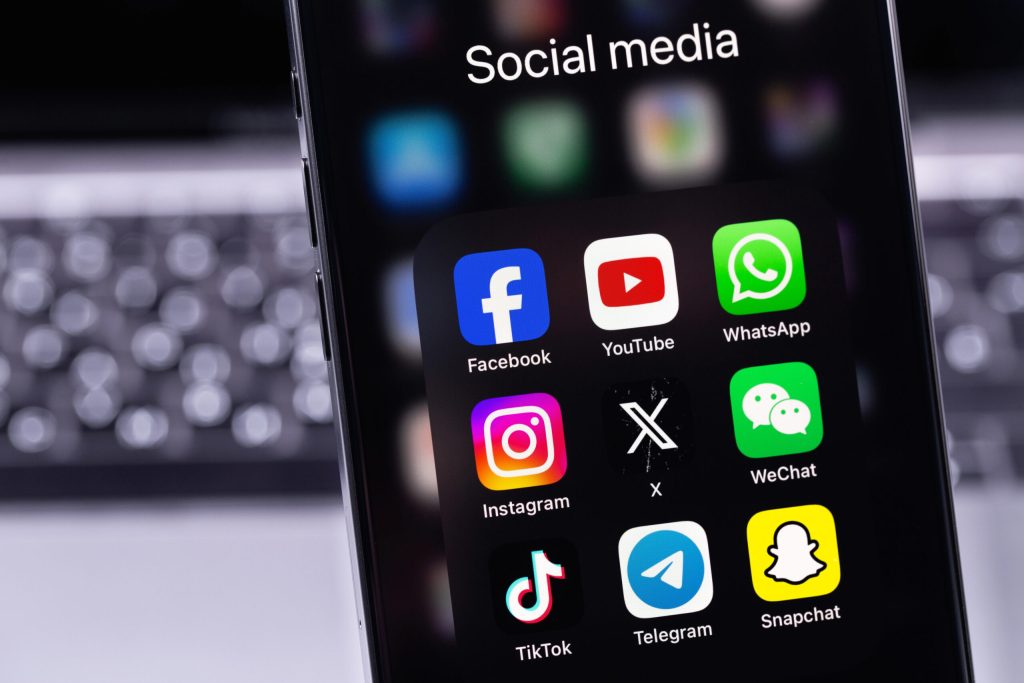
Britain could implement an Australian-style ban on social media for children under 16 as early as this year. This move aims to close a loophole that currently exempts some AI chatbots from safety regulations, reflecting the government’s commitment to swiftly address digital risks.
Last month, Prime Minister Keir Starmer’s government initiated a consultation on a social media ban for minors under 16, with plans to amend legislation to facilitate rapid implementation following the consultation’s conclusion.
Countries like Spain, Greece, and Slovenia are also exploring similar bans after Australia became the first nation to restrict access for those under 16. The urgency of these measures has increased, particularly after concerns arose about Elon Musk’s AI chatbot, Grok, which was reported to generate nonconsensual sexualized images.
Global Pressure Grows on Social Media Platforms
Britain’s 2023 Online Safety Act is among the strictest safety frameworks globally. However, it currently does not encompass one-on-one interactions with AI chatbots unless they share information with other users. Technology Minister Liz Kendall has indicated that this loophole will soon be addressed.
Kendall emphasized the importance of closing regulatory gaps, especially after the act took nearly eight years to be enacted. “I am concerned about these AI chatbots… as is the prime minister, about the impact that’s having on children and young people,” she stated during an interview with Times Radio. She highlighted that some children are forming one-on-one relationships with AI systems that lack child safety considerations.
The government plans to outline its proposals before June.
In her remarks to British media, Kendall asserted that tech companies would be accountable for ensuring their systems comply with British law.
The government is also set to consult on implementing automatic data-preservation orders when a child dies, enabling investigators to secure crucial online evidence—a measure long advocated by bereaved families. Additionally, the consultation will explore powers to limit “stranger pairing” on gaming consoles and to prohibit the sending or receiving of nude images.
These new measures will be introduced as amendments to existing crime and child-protection legislation currently under parliamentary consideration.
While these initiatives aim to protect children, they may inadvertently affect adults’ privacy and access to services, leading to tensions with the U.S. regarding free speech and regulatory authority.
Some major pornography websites have opted to block British users instead of implementing age verification checks. However, these blocks can be easily bypassed using readily available virtual private networks, which the government is contemplating restricting for minors.
Many parents and safety advocates support a social media ban for children. However, Kendall noted that some child-protection groups express concerns that such a ban could drive harmful activities into less regulated environments or create a sharp “cliff edge” at age 16. She added that the government still needs to legally define what constitutes social media before any ban can be enacted.
(Reporting by David Milliken and Sam Tabahriti; editing by Alexander Smith and Peter Graff)
Related:
Britain could implement an Australian-style ban on social media for children under 16 as early as this year. This move aims to close a loophole that currently exempts some AI chatbots from safety regulations, reflecting the government’s commitment to swiftly address digital risks.
Last month, Prime Minister Keir Starmer’s government initiated a consultation on a social media ban for minors under 16, with plans to amend legislation to facilitate rapid implementation following the consultation’s conclusion.
Countries like Spain, Greece, and Slovenia are also exploring similar bans after Australia became the first nation to restrict access for those under 16. The urgency of these measures has increased, particularly after concerns arose about Elon Musk’s AI chatbot, Grok, which was reported to generate nonconsensual sexualized images.
Global Pressure Grows on Social Media Platforms
Britain’s 2023 Online Safety Act is among the strictest safety frameworks globally. However, it currently does not encompass one-on-one interactions with AI chatbots unless they share information with other users. Technology Minister Liz Kendall has indicated that this loophole will soon be addressed.
Kendall emphasized the importance of closing regulatory gaps, especially after the act took nearly eight years to be enacted. “I am concerned about these AI chatbots… as is the prime minister, about the impact that’s having on children and young people,” she stated during an interview with Times Radio. She highlighted that some children are forming one-on-one relationships with AI systems that lack child safety considerations.
The government plans to outline its proposals before June.
In her remarks to British media, Kendall asserted that tech companies would be accountable for ensuring their systems comply with British law.
The government is also set to consult on implementing automatic data-preservation orders when a child dies, enabling investigators to secure crucial online evidence—a measure long advocated by bereaved families. Additionally, the consultation will explore powers to limit “stranger pairing” on gaming consoles and to prohibit the sending or receiving of nude images.
These new measures will be introduced as amendments to existing crime and child-protection legislation currently under parliamentary consideration.
While these initiatives aim to protect children, they may inadvertently affect adults’ privacy and access to services, leading to tensions with the U.S. regarding free speech and regulatory authority.
Some major pornography websites have opted to block British users instead of implementing age verification checks. However, these blocks can be easily bypassed using readily available virtual private networks, which the government is contemplating restricting for minors.
Many parents and safety advocates support a social media ban for children. However, Kendall noted that some child-protection groups express concerns that such a ban could drive harmful activities into less regulated environments or create a sharp “cliff edge” at age 16. She added that the government still needs to legally define what constitutes social media before any ban can be enacted.
(Reporting by David Milliken and Sam Tabahriti; editing by Alexander Smith and Peter Graff)
Related: