Munich Re Division to Eliminate 1,000 Jobs Amid AI Integration
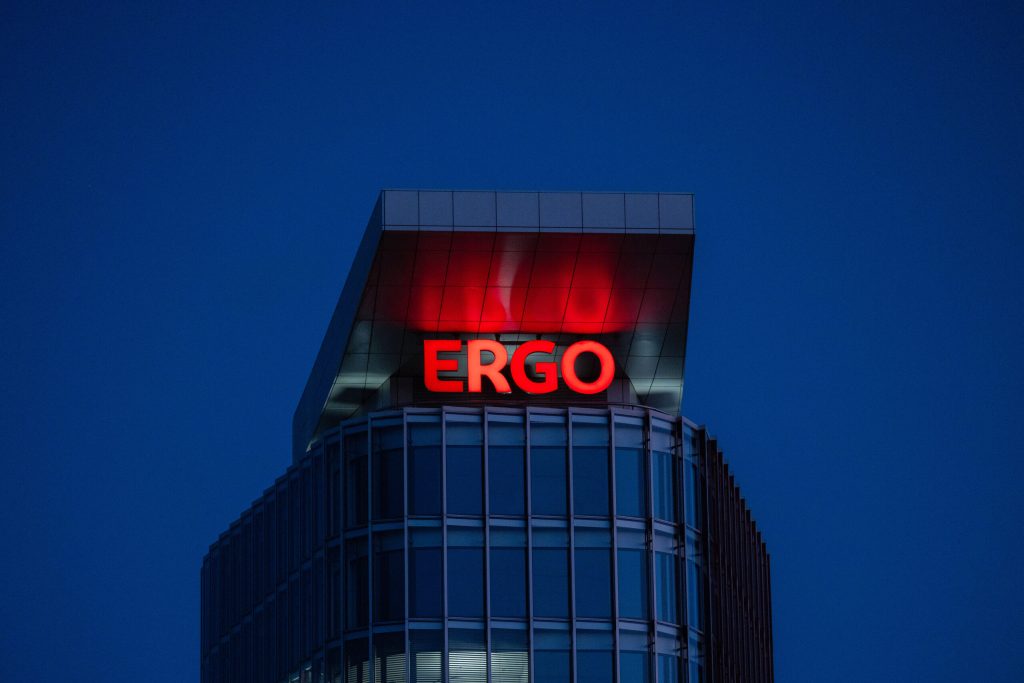
Munich Re’s primary insurance unit, ERGO, is set to reduce its workforce by approximately 1,000 positions in Germany. This decision is largely influenced by the company’s growing reliance on artificial intelligence (AI).
The job cuts will primarily impact roles involving simple and repetitive tasks, particularly in telephony and claims processing. According to a company spokesperson, this transition will unfold over five years, concluding at the end of 2030. ERGO has assured that there will be no forced redundancies during this period.
As the finance industry increasingly adopts AI technologies, many companies are streamlining operations to enhance efficiency and reduce costs. For instance, late last year, ING Groep NV announced that nearly 1,000 positions were at risk due to “digitalization, AI, and evolving customer needs.” Similarly, a division of German insurer Allianz SE is currently evaluating how to implement AI solutions in the coming years, following reports of potential job reductions.
In December, Munich Re revealed plans to simplify its operations and aims to achieve annual cost savings of around €600 million ($709 million) by 2030. This initiative is part of a broader strategy to mitigate the impact of inflation-driven cost increases.
In addition to the job cuts, ERGO is committed to retraining up to 500 employees over the next two years. The goal is to transition these employees into other roles within the company, particularly in expanding sectors such as retirement planning.
Currently, Munich Re employs about 15,000 individuals in Germany. The job cuts were first reported by Handelsblatt, which cited an interview with ERGO’s head of HR.
Related:
Copyright 2026 Bloomberg.
Was this article valuable?
Here are more articles you may enjoy.
Interested in AI?
Get automatic alerts for this topic.
Munich Re’s primary insurance unit, ERGO, is set to reduce its workforce by approximately 1,000 positions in Germany. This decision is largely influenced by the company’s growing reliance on artificial intelligence (AI).
The job cuts will primarily impact roles involving simple and repetitive tasks, particularly in telephony and claims processing. According to a company spokesperson, this transition will unfold over five years, concluding at the end of 2030. ERGO has assured that there will be no forced redundancies during this period.
As the finance industry increasingly adopts AI technologies, many companies are streamlining operations to enhance efficiency and reduce costs. For instance, late last year, ING Groep NV announced that nearly 1,000 positions were at risk due to “digitalization, AI, and evolving customer needs.” Similarly, a division of German insurer Allianz SE is currently evaluating how to implement AI solutions in the coming years, following reports of potential job reductions.
In December, Munich Re revealed plans to simplify its operations and aims to achieve annual cost savings of around €600 million ($709 million) by 2030. This initiative is part of a broader strategy to mitigate the impact of inflation-driven cost increases.
In addition to the job cuts, ERGO is committed to retraining up to 500 employees over the next two years. The goal is to transition these employees into other roles within the company, particularly in expanding sectors such as retirement planning.
Currently, Munich Re employs about 15,000 individuals in Germany. The job cuts were first reported by Handelsblatt, which cited an interview with ERGO’s head of HR.
Related:
Copyright 2026 Bloomberg.
Was this article valuable?
Here are more articles you may enjoy.
Interested in AI?
Get automatic alerts for this topic.