Bayer Unveils $7 Billion Settlement Proposal for Roundup Cancer Litigation
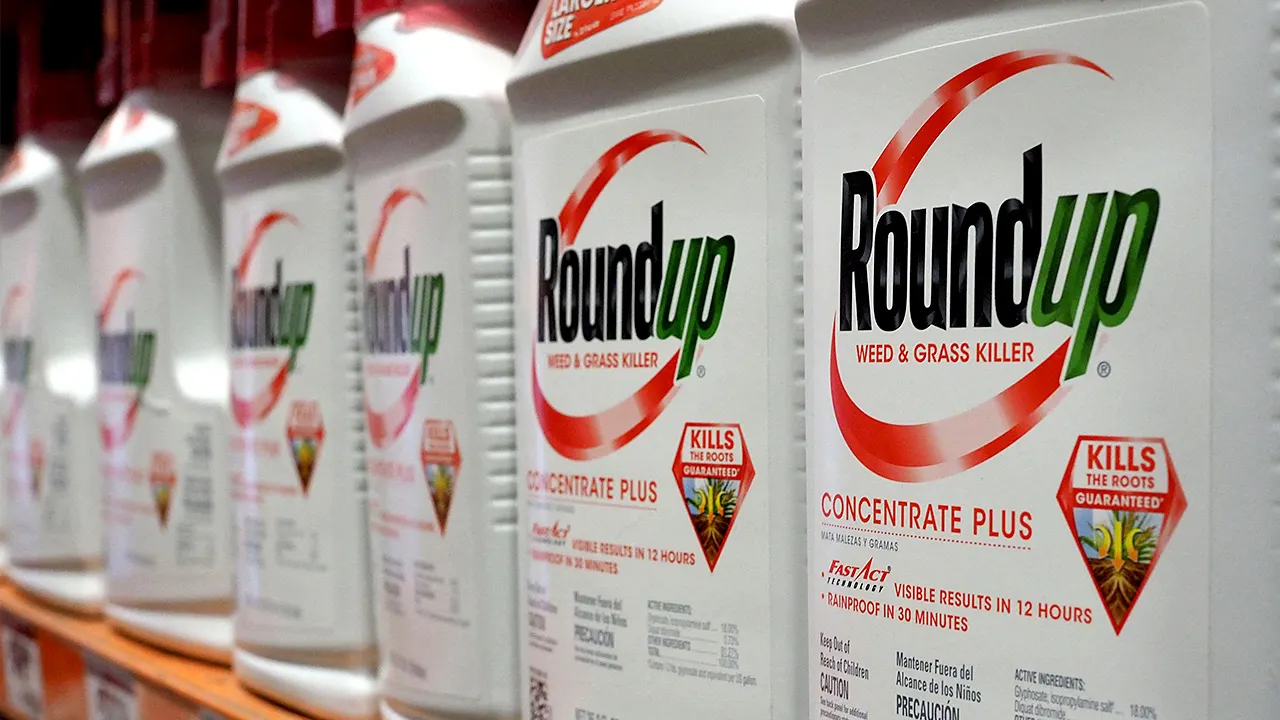
Bayer CEO Bill Anderson joins ‘The Claman Countdown’ to detail the escalating Roundup weedkiller legal fight, and what it means for consumers, farmers, and America’s food security.
Bayer is proposing a substantial $7.25 billion plan to settle thousands of lawsuits alleging that its Roundup weedkiller caused cancer. This high-stakes initiative aims to mitigate years of increasing legal exposure that could strain the company’s finances in the near future.
“This is a choice for speed and containment over a protracted legal battle,” stated CEO Bill Anderson on Tuesday, emphasizing that this agreement is a crucial step toward resolving long-standing litigation associated with the herbicide.
In light of these developments, Bayer has announced an increase in its total litigation reserves to nearly $12 billion, anticipating approximately $6 billion in legal payouts in 2026 alone. This financial burden is expected to push the company’s free cash flow into negative territory this year.
TRUMP ADMINISTRATION BACKS BAYER AS ROUNDUP FIGHT MOVES TOWARD SUPREME COURT
According to CFO Wolfgang Nickl, “Under the proposed class settlement agreement, the largest of the annual payments would be funded this year.” Consequently, Bayer is bracing for a negative free cash flow in 2026.
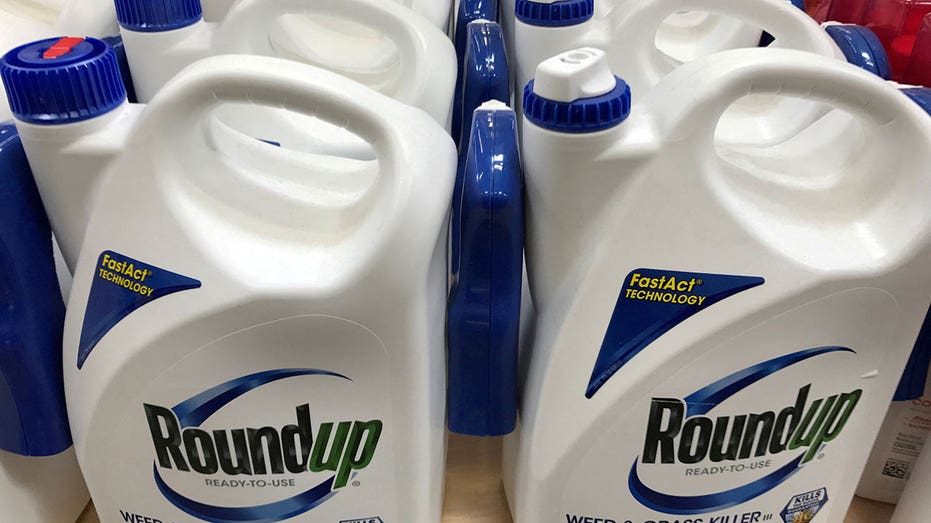
Bayer’s Roundup is shown for sale in Encinitas, California, U.S., June 26, 2017. (REUTERS/Mike Blake/File Photo) (REUTERS/Mike Blake/File Photo / Reuters Photos)
To facilitate this resolution, Bayer has secured an $8 billion loan facility. The company’s Monsanto unit has filed a proposed nationwide class settlement in St. Louis, which aims to establish a long-term compensation program for individuals who claim to have developed non-Hodgkin lymphoma after using Roundup, either at home or in the workplace.
ESTÉE LAUDER SUES WALMART OVER ALLEGED COUNTERFEIT BEAUTY SALES
The settlement plan proposes funding payouts through capped annual payments over a period of up to 21 years. Individuals exposed to Roundup before mid-February 2026, who have already been diagnosed or receive a diagnosis within 16 years after court approval, may qualify for compensation. Payments will be determined based on a tiered system that considers exposure and medical factors, with some individuals potentially receiving up to approximately $198,000 or more.
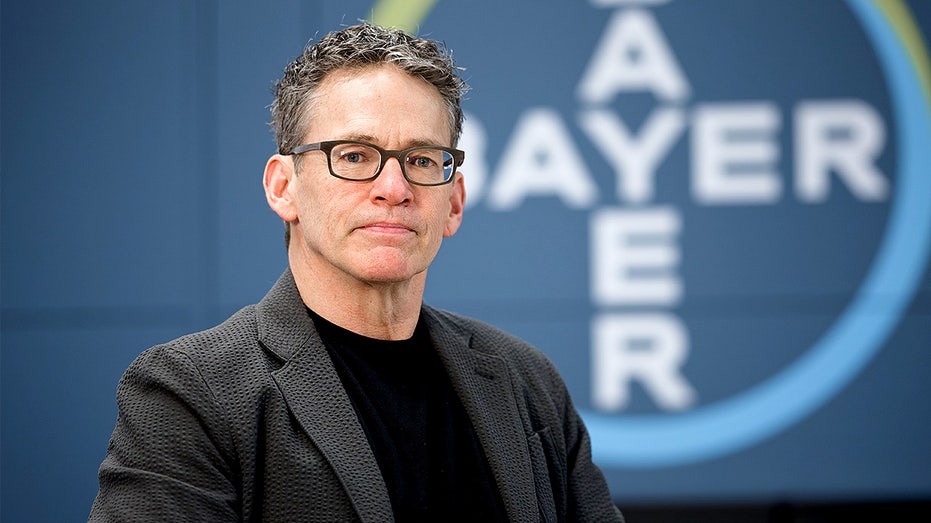
Bayer AG CEO Bill Anderson. (Henning Kaiser/picture alliance via Getty Images)
Bayer currently faces approximately 65,000 plaintiffs in U.S. courts. The proposed settlement requires judicial approval and sufficient participation from claimants; the company can withdraw if too many individuals opt out.
“We would anticipate that the vast majority – almost all – the plaintiffs will opt in,” Anderson remarked. “If it doesn’t work that way, then we don’t have a deal in the end.”
META CEO TO TESTIFY IN HIGH-STAKES TRIAL THAT COULD COST BIG TECH BILLIONS
Importantly, Bayer does not admit any wrongdoing and asserts that regulatory bodies, including the EPA, have deemed glyphosate safe when used as directed.
In a separate matter, the U.S. Supreme Court is set to hear a case that could potentially limit future lawsuits by determining whether federal labeling law supersedes state-level failure-to-warn claims. This decision could significantly reshape the company’s long-term legal risks.
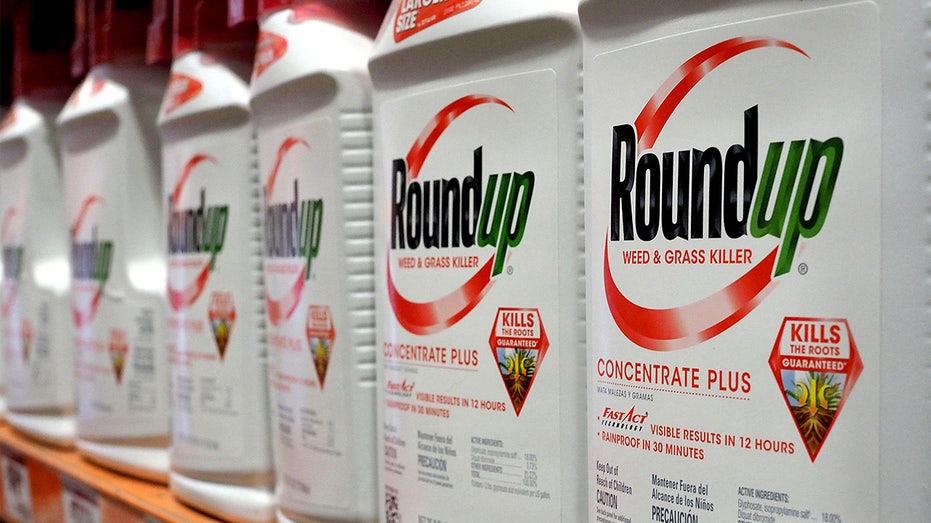
Bottles of Monsanto’s Roundup are seen for sale at a retail store in Glendale, California, on June 19, 2018. (Robyn Beck / AFP via Getty Images)
“A decision in our favor would address cases not covered by the settlement, including significant adverse pending judgments,” Anderson noted, adding that the Supreme Court’s review is vital to the company’s broader strategy for managing litigation.
CLICK HERE TO GET FOX BUSINESS ON THE GO
For consumers and farmers, Roundup remains readily available. However, for Bayer, the proposed settlement and the upcoming Supreme Court decision signify a critical effort to manage litigation costs and stabilize its financial standing after years of uncertainty.
Bayer CEO Bill Anderson joins ‘The Claman Countdown’ to detail the escalating Roundup weedkiller legal fight, and what it means for consumers, farmers, and America’s food security.
Bayer is proposing a substantial $7.25 billion plan to settle thousands of lawsuits alleging that its Roundup weedkiller caused cancer. This high-stakes initiative aims to mitigate years of increasing legal exposure that could strain the company’s finances in the near future.
“This is a choice for speed and containment over a protracted legal battle,” stated CEO Bill Anderson on Tuesday, emphasizing that this agreement is a crucial step toward resolving long-standing litigation associated with the herbicide.
In light of these developments, Bayer has announced an increase in its total litigation reserves to nearly $12 billion, anticipating approximately $6 billion in legal payouts in 2026 alone. This financial burden is expected to push the company’s free cash flow into negative territory this year.
TRUMP ADMINISTRATION BACKS BAYER AS ROUNDUP FIGHT MOVES TOWARD SUPREME COURT
According to CFO Wolfgang Nickl, “Under the proposed class settlement agreement, the largest of the annual payments would be funded this year.” Consequently, Bayer is bracing for a negative free cash flow in 2026.
Bayer’s Roundup is shown for sale in Encinitas, California, U.S., June 26, 2017. (REUTERS/Mike Blake/File Photo) (REUTERS/Mike Blake/File Photo / Reuters Photos)
To facilitate this resolution, Bayer has secured an $8 billion loan facility. The company’s Monsanto unit has filed a proposed nationwide class settlement in St. Louis, which aims to establish a long-term compensation program for individuals who claim to have developed non-Hodgkin lymphoma after using Roundup, either at home or in the workplace.
ESTÉE LAUDER SUES WALMART OVER ALLEGED COUNTERFEIT BEAUTY SALES
The settlement plan proposes funding payouts through capped annual payments over a period of up to 21 years. Individuals exposed to Roundup before mid-February 2026, who have already been diagnosed or receive a diagnosis within 16 years after court approval, may qualify for compensation. Payments will be determined based on a tiered system that considers exposure and medical factors, with some individuals potentially receiving up to approximately $198,000 or more.
Bayer AG CEO Bill Anderson. (Henning Kaiser/picture alliance via Getty Images)
Bayer currently faces approximately 65,000 plaintiffs in U.S. courts. The proposed settlement requires judicial approval and sufficient participation from claimants; the company can withdraw if too many individuals opt out.
“We would anticipate that the vast majority – almost all – the plaintiffs will opt in,” Anderson remarked. “If it doesn’t work that way, then we don’t have a deal in the end.”
META CEO TO TESTIFY IN HIGH-STAKES TRIAL THAT COULD COST BIG TECH BILLIONS
Importantly, Bayer does not admit any wrongdoing and asserts that regulatory bodies, including the EPA, have deemed glyphosate safe when used as directed.
In a separate matter, the U.S. Supreme Court is set to hear a case that could potentially limit future lawsuits by determining whether federal labeling law supersedes state-level failure-to-warn claims. This decision could significantly reshape the company’s long-term legal risks.
Bottles of Monsanto’s Roundup are seen for sale at a retail store in Glendale, California, on June 19, 2018. (Robyn Beck / AFP via Getty Images)
“A decision in our favor would address cases not covered by the settlement, including significant adverse pending judgments,” Anderson noted, adding that the Supreme Court’s review is vital to the company’s broader strategy for managing litigation.
CLICK HERE TO GET FOX BUSINESS ON THE GO
For consumers and farmers, Roundup remains readily available. However, for Bayer, the proposed settlement and the upcoming Supreme Court decision signify a critical effort to manage litigation costs and stabilize its financial standing after years of uncertainty.