Meta CEO Zuckerberg’s Testimony in Landmark Trial Could Transform Tech Liability Landscape
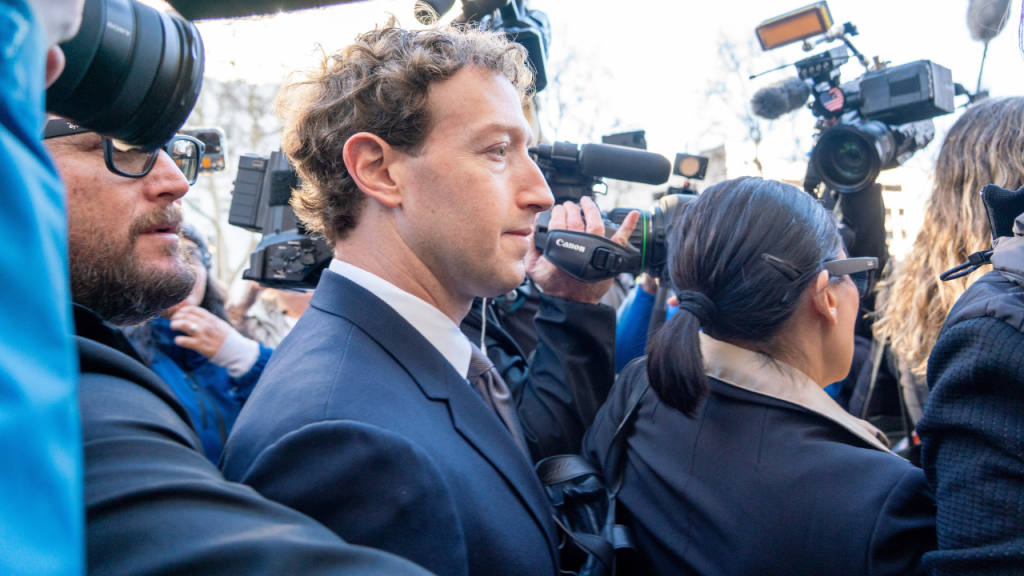
Former federal prosecutor Andrew Cherkasky discusses Meta CEO Mark Zuckerberg’s landmark social media addiction trial on ‘Varney & Co.’
Meta CEO Mark Zuckerberg took the stand on Wednesday in Los Angeles Superior Court, marking a significant moment in a landmark trial concerning claims that social media platforms are detrimental to children. This is the first time Zuckerberg has addressed allegations related to youth safety in front of a jury.
The case, known as K.G.M. v. Meta Platforms, Inc., et al., was initiated by a 20-year-old woman from California, identified only by her initials. She contends that Meta and other social media companies have intentionally designed their platforms to captivate young users, which she claims has exacerbated her depression and suicidal thoughts. The plaintiff is seeking to hold these companies accountable for their actions.
META CEO TO TESTIFY IN HIGH-STAKES TRIAL THAT COULD COST BIG TECH BILLIONS
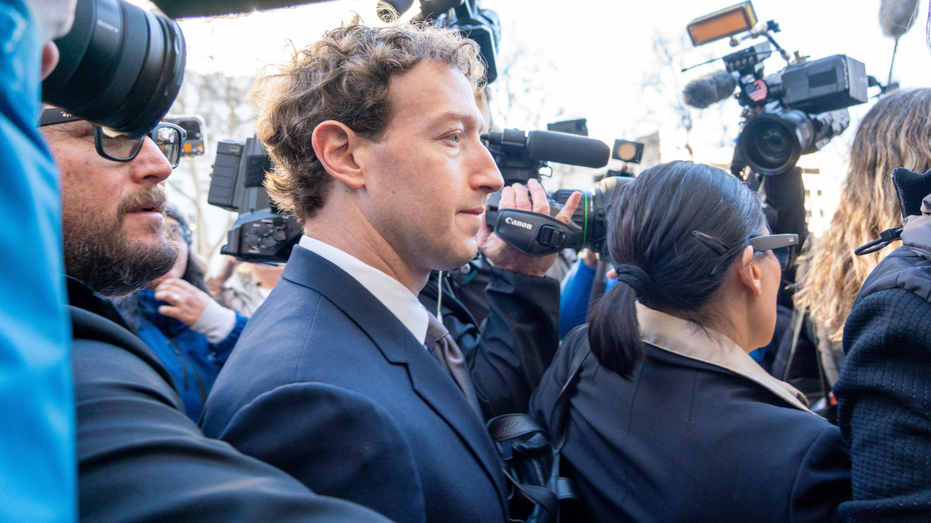
Mark Zuckerberg, chief executive officer of Meta, arrives at a court in Los Angeles to testify in a landmark trial over social media addiction. (Kyle Grillot/Bloomberg via Getty Images)
In response to the allegations, Meta’s Instagram and Google’s YouTube have denied any wrongdoing. They argue that they have implemented numerous safety features and parental controls over the years as part of their defense strategy. The tech giant is expected to highlight various factors in K.G.M.’s life, emphasize their investments in youth safety, and assert that they should not be held liable for harmful content uploaded by users.
A ruling in favor of the plaintiff could establish a significant precedent, potentially holding tech companies accountable for harmful design choices. This would challenge the long-standing protections offered by Section 230, a federal law that generally shields online platforms from lawsuits related to user-generated content. If the court rejects this defense, it could open the floodgates for similar lawsuits across the country, exposing Meta and other tech companies to billions in potential damages and compelling them to rethink their platform designs.
CLICK HERE TO DOWNLOAD THE FOX NEWS APP
This is a developing story; check back later for updates.
Former federal prosecutor Andrew Cherkasky discusses Meta CEO Mark Zuckerberg’s landmark social media addiction trial on ‘Varney & Co.’
Meta CEO Mark Zuckerberg took the stand on Wednesday in Los Angeles Superior Court, marking a significant moment in a landmark trial concerning claims that social media platforms are detrimental to children. This is the first time Zuckerberg has addressed allegations related to youth safety in front of a jury.
The case, known as K.G.M. v. Meta Platforms, Inc., et al., was initiated by a 20-year-old woman from California, identified only by her initials. She contends that Meta and other social media companies have intentionally designed their platforms to captivate young users, which she claims has exacerbated her depression and suicidal thoughts. The plaintiff is seeking to hold these companies accountable for their actions.
META CEO TO TESTIFY IN HIGH-STAKES TRIAL THAT COULD COST BIG TECH BILLIONS
Mark Zuckerberg, chief executive officer of Meta, arrives at a court in Los Angeles to testify in a landmark trial over social media addiction. (Kyle Grillot/Bloomberg via Getty Images)
In response to the allegations, Meta’s Instagram and Google’s YouTube have denied any wrongdoing. They argue that they have implemented numerous safety features and parental controls over the years as part of their defense strategy. The tech giant is expected to highlight various factors in K.G.M.’s life, emphasize their investments in youth safety, and assert that they should not be held liable for harmful content uploaded by users.
A ruling in favor of the plaintiff could establish a significant precedent, potentially holding tech companies accountable for harmful design choices. This would challenge the long-standing protections offered by Section 230, a federal law that generally shields online platforms from lawsuits related to user-generated content. If the court rejects this defense, it could open the floodgates for similar lawsuits across the country, exposing Meta and other tech companies to billions in potential damages and compelling them to rethink their platform designs.
CLICK HERE TO DOWNLOAD THE FOX NEWS APP
This is a developing story; check back later for updates.