Longstanding Abuse Settlements Strain Budgets for California Schools and Cities
At James Monroe Middle School, nestled in the remote High Desert of California, posters celebrating Teacher Appreciation Week were displayed next to porta-potties. These makeshift facilities were the only restrooms available for faculty after the campus’s sewage system collapsed last year.
The Sierra Sands Unified School District’s struggle to finance repairs to the sewage system, along with the decision to close the school, stems from crimes committed decades ago. This has forced officials to implement severe budget cuts, leaving Superintendent April Moore concerned about the district’s growing risk of insolvency.
This financial turmoil extends beyond Sierra Sands, posing a threat to public entities throughout California, the most populous state in the U.S. The crisis is largely linked to a 2019 California law that eliminated the statute of limitations on sexual abuse lawsuits against public agencies, including school districts. This change has led to a surge of litigation against various governmental bodies.
Last year, Sierra Sands, which serves approximately 5,000 students, settled a case related to abuse that occurred in 1989. Since then, the district’s annual insurance premiums have skyrocketed by 73% over three years, totaling around $690,000—a significant burden for a small district. Currently, they are negotiating with another victim, and Moore has expressed concerns that a large settlement could trigger a potential state conservatorship.
“Victims deserve justice and protection,” Moore stated. “However, my responsibility is to safeguard our current students, who deserve every resource we can provide. Diverting our limited funds away from them is a significant injustice.”
The 2019 law, known as AB 218, aimed to address the long-term harm suffered by many victims of abuse who had never received compensation. It emerged from a growing recognition that the nature of sexual abuse often leads victims to repress their trauma until years later. A notable case involved the Moreno Valley Unified School District, which retained a teacher for two decades despite numerous complaints of molestation.
While the law aims to deliver justice, it has inadvertently triggered a fiscal crisis affecting local government agencies and the communities they serve. Many agencies are resorting to the bond market or loans to cover settlements, while others are depleting their savings. Those fortunate enough to have insurance are still facing challenges, as the settlement amounts are so substantial that they jeopardize public insurance programs designed to shield schools and counties from unexpected costs.
California is not alone in facing this dilemma. Since 2017, at least 33 states have extended the statute of limitations for abuse cases. However, most of these states impose caps on damages against public entities, limiting their liability. This adds to the financial burdens that California’s government agencies are already grappling with, including wildfires, pension obligations, and declining student enrollments.
The financial implications became stark last year when Los Angeles County reached two settlements totaling nearly $5 billion for thousands of victims, marking the largest settlement ever involving sexual assault claims against a public entity. Most of these claims stemmed from physical and sexual abuse in the county’s juvenile detention and foster care programs.
In light of these settlements and the costs associated with recent wildfires, the county cut its budget by 3% last year, impacting several departments. Officials are also considering tapping the bond market to manage some of the settlement costs, which could have long-term repercussions for the county.
While the financial impact is less severe for many counties and school districts, these agencies typically have fewer resources to absorb such shocks. For instance, Montecito Union, a small district with 350 students, exhausted nearly all of its $12 million in savings to cover a $9 million settlement.
Officials are increasingly concerned that the most significant costs may still be on the horizon. Mike Fine, the chief executive of a state agency dedicated to assisting financially distressed school districts, estimates that the total costs for his clients could reach between $2 to $3 billion, far exceeding what has been paid so far. Schools are not the only entities facing this crisis.
“This is not just a K-12 issue, nor is it limited to L.A. County,” stated Robert Berry, Executive Director of the California Debt and Investment Advisory Commission. “Statistics indicate that more agencies will encounter similar challenges.”
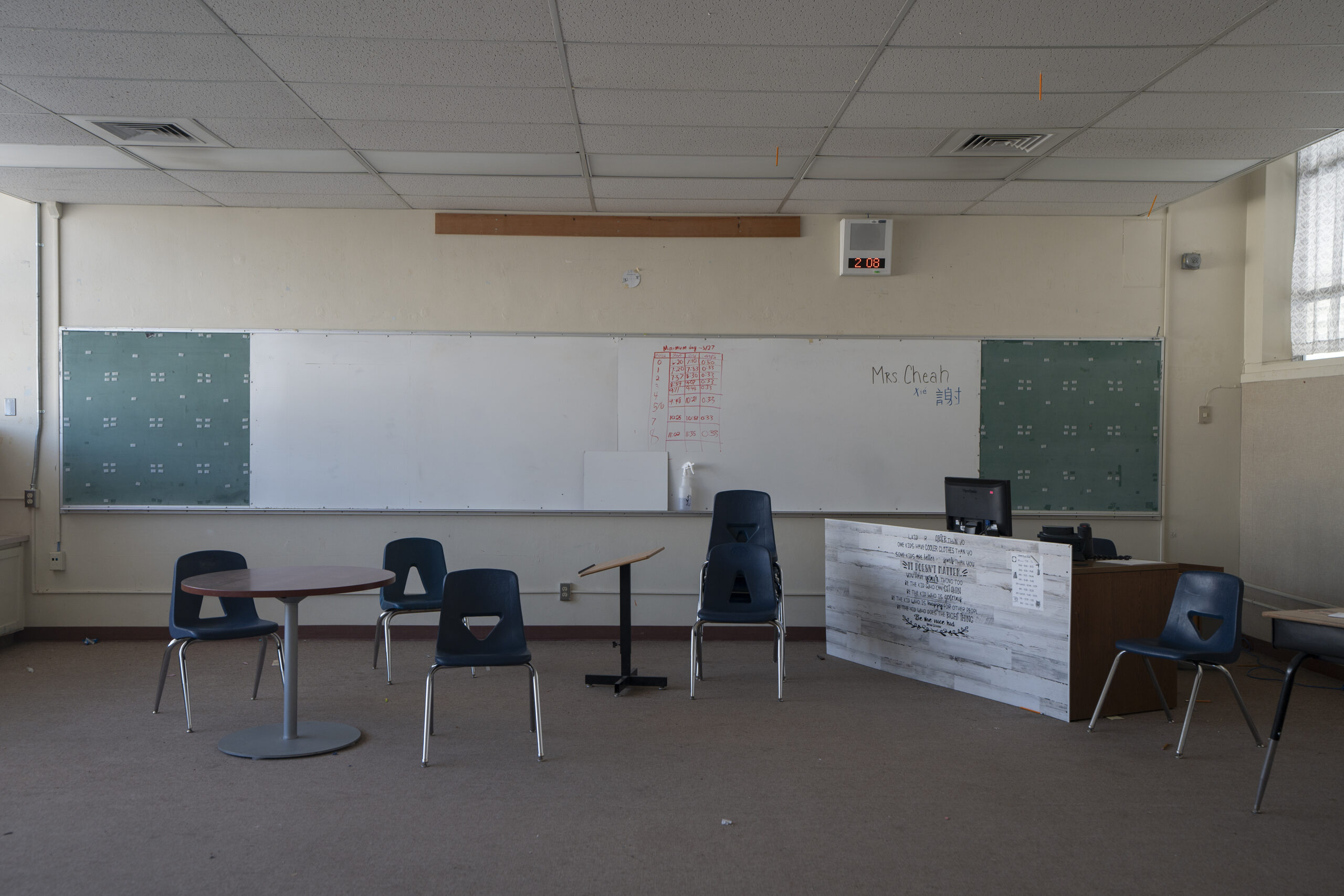
San Francisco currently has 16 outstanding claims, according to the city attorney’s office, while Riverside County, located east of Los Angeles, faces at least 13 claims alleging sexual abuse of minors in its custody.
The financial outlook for many agencies heavily depends on the insurance coverage they had during the time of the abuse. For example, the Porterville Unified School District, situated in the Sierra Nevada foothills, had to hire an “insurance archaeologist” to investigate coverage for a lawsuit stemming from events in 1985. Ultimately, the district had to pay a $2 million settlement from its general fund, which has a budget of roughly $200 million, after discovering that its policy at the time only covered $25,000 in damages.
Even districts with insurance are not shielded from the repercussions. As abuse claims have surged, payouts from shared risk pools have driven premiums significantly higher for public agencies across California. Many of these risk pools are now questioning their ability to continue offering insurance. More than half of California’s approximately 1,100 school districts rely on the School Excess Liability Fund (SELF). Its chief executive, Dave George, noted that many companies previously used to reinsure SELF’s risks have ceased their operations.
“The insurance industry will not continue to support these claims,” George warned.

Last year, Senator Ben Allen introduced legislation aimed at limiting damages, raising evidentiary standards, and barring the re-filing of certain claims. Although the bill initially garnered support, it was withdrawn after lawyers representing sexual abuse victims launched campaigns labeling it as “Ben Allen’s Predator Shield Law.”
“I was threatening their business model,” Allen remarked, referring to the law firms that opposed the legislation.
Lorena Gonzalez, the author of AB 218, attributed the unexpected costs of the law to overzealous lawyers. “There’s a problem with people viewing cities, counties, and school districts as deep pockets, and trial attorneys are exploiting that, profiting excessively from taxpayer dollars,” she stated, noting that she is no longer in the legislature.
Los Angeles County District Attorney Nathan Hochman announced last fall that he is investigating whether attorneys have encouraged clients to file fraudulent abuse claims.
In the settled case from 1989, Sierra Sands disputed its liability for the abuse, which involved a lifeguard at a local military base where the school conducted swim classes. Ultimately, the district opted to settle, partly due to the risks of going to trial and partly because it had insurance to cover the costs.
The pending case dates back to 1974, a time when the district lacked coverage, according to the insurance archaeologist hired by the district. While negotiations with the victim’s lawyers are ongoing, the district has yet to determine how it will fund the settlement. Currently, they are filling 26 vacant teaching positions with uncertified professionals on foreign visas.
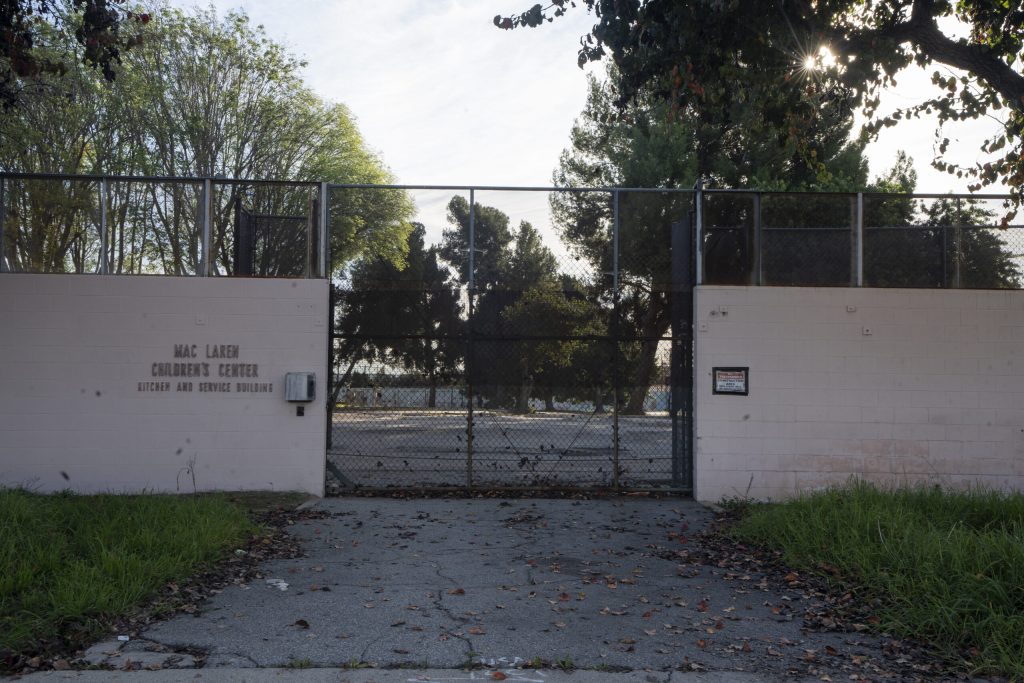
Top photo: The MacLaren Children’s Center closed in 2003. Photographer: Karla Gachet/Bloomberg.
Copyright 2026 Bloomberg.
Topics
Trends
California
K-12
At James Monroe Middle School, nestled in the remote High Desert of California, posters celebrating Teacher Appreciation Week were displayed next to porta-potties. These makeshift facilities were the only restrooms available for faculty after the campus’s sewage system collapsed last year.
The Sierra Sands Unified School District’s struggle to finance repairs to the sewage system, along with the decision to close the school, stems from crimes committed decades ago. This has forced officials to implement severe budget cuts, leaving Superintendent April Moore concerned about the district’s growing risk of insolvency.
This financial turmoil extends beyond Sierra Sands, posing a threat to public entities throughout California, the most populous state in the U.S. The crisis is largely linked to a 2019 California law that eliminated the statute of limitations on sexual abuse lawsuits against public agencies, including school districts. This change has led to a surge of litigation against various governmental bodies.
Last year, Sierra Sands, which serves approximately 5,000 students, settled a case related to abuse that occurred in 1989. Since then, the district’s annual insurance premiums have skyrocketed by 73% over three years, totaling around $690,000—a significant burden for a small district. Currently, they are negotiating with another victim, and Moore has expressed concerns that a large settlement could trigger a potential state conservatorship.
“Victims deserve justice and protection,” Moore stated. “However, my responsibility is to safeguard our current students, who deserve every resource we can provide. Diverting our limited funds away from them is a significant injustice.”
The 2019 law, known as AB 218, aimed to address the long-term harm suffered by many victims of abuse who had never received compensation. It emerged from a growing recognition that the nature of sexual abuse often leads victims to repress their trauma until years later. A notable case involved the Moreno Valley Unified School District, which retained a teacher for two decades despite numerous complaints of molestation.
While the law aims to deliver justice, it has inadvertently triggered a fiscal crisis affecting local government agencies and the communities they serve. Many agencies are resorting to the bond market or loans to cover settlements, while others are depleting their savings. Those fortunate enough to have insurance are still facing challenges, as the settlement amounts are so substantial that they jeopardize public insurance programs designed to shield schools and counties from unexpected costs.
California is not alone in facing this dilemma. Since 2017, at least 33 states have extended the statute of limitations for abuse cases. However, most of these states impose caps on damages against public entities, limiting their liability. This adds to the financial burdens that California’s government agencies are already grappling with, including wildfires, pension obligations, and declining student enrollments.
The financial implications became stark last year when Los Angeles County reached two settlements totaling nearly $5 billion for thousands of victims, marking the largest settlement ever involving sexual assault claims against a public entity. Most of these claims stemmed from physical and sexual abuse in the county’s juvenile detention and foster care programs.
In light of these settlements and the costs associated with recent wildfires, the county cut its budget by 3% last year, impacting several departments. Officials are also considering tapping the bond market to manage some of the settlement costs, which could have long-term repercussions for the county.
While the financial impact is less severe for many counties and school districts, these agencies typically have fewer resources to absorb such shocks. For instance, Montecito Union, a small district with 350 students, exhausted nearly all of its $12 million in savings to cover a $9 million settlement.
Officials are increasingly concerned that the most significant costs may still be on the horizon. Mike Fine, the chief executive of a state agency dedicated to assisting financially distressed school districts, estimates that the total costs for his clients could reach between $2 to $3 billion, far exceeding what has been paid so far. Schools are not the only entities facing this crisis.
“This is not just a K-12 issue, nor is it limited to L.A. County,” stated Robert Berry, Executive Director of the California Debt and Investment Advisory Commission. “Statistics indicate that more agencies will encounter similar challenges.”
San Francisco currently has 16 outstanding claims, according to the city attorney’s office, while Riverside County, located east of Los Angeles, faces at least 13 claims alleging sexual abuse of minors in its custody.
The financial outlook for many agencies heavily depends on the insurance coverage they had during the time of the abuse. For example, the Porterville Unified School District, situated in the Sierra Nevada foothills, had to hire an “insurance archaeologist” to investigate coverage for a lawsuit stemming from events in 1985. Ultimately, the district had to pay a $2 million settlement from its general fund, which has a budget of roughly $200 million, after discovering that its policy at the time only covered $25,000 in damages.
Even districts with insurance are not shielded from the repercussions. As abuse claims have surged, payouts from shared risk pools have driven premiums significantly higher for public agencies across California. Many of these risk pools are now questioning their ability to continue offering insurance. More than half of California’s approximately 1,100 school districts rely on the School Excess Liability Fund (SELF). Its chief executive, Dave George, noted that many companies previously used to reinsure SELF’s risks have ceased their operations.
“The insurance industry will not continue to support these claims,” George warned.
Last year, Senator Ben Allen introduced legislation aimed at limiting damages, raising evidentiary standards, and barring the re-filing of certain claims. Although the bill initially garnered support, it was withdrawn after lawyers representing sexual abuse victims launched campaigns labeling it as “Ben Allen’s Predator Shield Law.”
“I was threatening their business model,” Allen remarked, referring to the law firms that opposed the legislation.
Lorena Gonzalez, the author of AB 218, attributed the unexpected costs of the law to overzealous lawyers. “There’s a problem with people viewing cities, counties, and school districts as deep pockets, and trial attorneys are exploiting that, profiting excessively from taxpayer dollars,” she stated, noting that she is no longer in the legislature.
Los Angeles County District Attorney Nathan Hochman announced last fall that he is investigating whether attorneys have encouraged clients to file fraudulent abuse claims.
In the settled case from 1989, Sierra Sands disputed its liability for the abuse, which involved a lifeguard at a local military base where the school conducted swim classes. Ultimately, the district opted to settle, partly due to the risks of going to trial and partly because it had insurance to cover the costs.
The pending case dates back to 1974, a time when the district lacked coverage, according to the insurance archaeologist hired by the district. While negotiations with the victim’s lawyers are ongoing, the district has yet to determine how it will fund the settlement. Currently, they are filling 26 vacant teaching positions with uncertified professionals on foreign visas.
Top photo: The MacLaren Children’s Center closed in 2003. Photographer: Karla Gachet/Bloomberg.
Copyright 2026 Bloomberg.
Topics
Trends
California
K-12