Billionaire Greed ‘Addiction’ Under Fire: Bernie Sanders and Robert Reich Speak Out
Rep. Kevin Kiley, R-Calif., discusses Bernie Sanders’ push for a state billionaire tax, explaining how it drives wealth out of California and more on ‘The Bottom Line.’
Sen. Bernie Sanders and former Labor Secretary Robert Reich are intensifying their criticism of America’s wealthiest individuals, labeling the “billionaire class” as suffering from an “addiction” to greed. Their focus is on advocating for aggressive new tax hikes in solidly Democratic states like California and New York.
In a recent Substack post, Reich urged governors Hochul and Newsom not to fear raising taxes on the wealthy. He acknowledged that while some affluent individuals might leave New York or California due to increased taxes, he believes the majority will remain. “Never before in American history have we seen the kind of greed and arrogance and moral turpitude on the part of the ruling class that we see today,” Sanders stated during a speech in Los Angeles, advocating for California’s proposed wealth tax.
Sanders elaborated, saying, “These people suffer from an addiction problem. Do you know what the most significant addiction crisis in America is today? It is the greed of the billionaire class. For these people, enough is never enough. They are dedicated to accumulating more and more wealth.”
REAL ESTATE EXPERTS BLAST MAMDANI’S MATH-DEFYING TAX PLAN, WARN OF HIGHER RENTS AND FLIGHT
Both California and New York are currently engaged in heated tax debates. A proposal supported by the Service Employees International Union–United Healthcare Workers West seeks to impose a one-time 5% tax on the net worth of California residents exceeding $1 billion. Meanwhile, New York City Mayor Zohran Mamdani has threatened a “last resort” 9.5% property tax hike to address a $5.4 billion deficit unless the state taxes the ultra-wealthy.
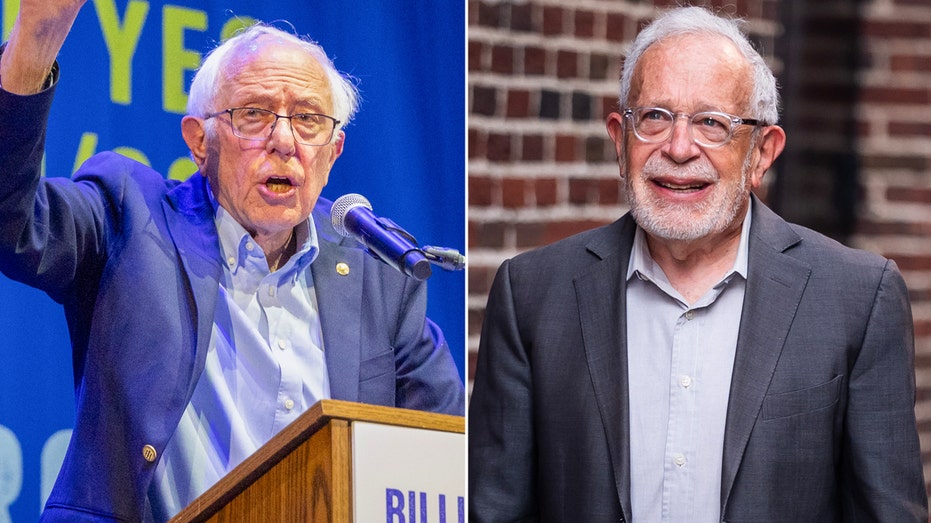
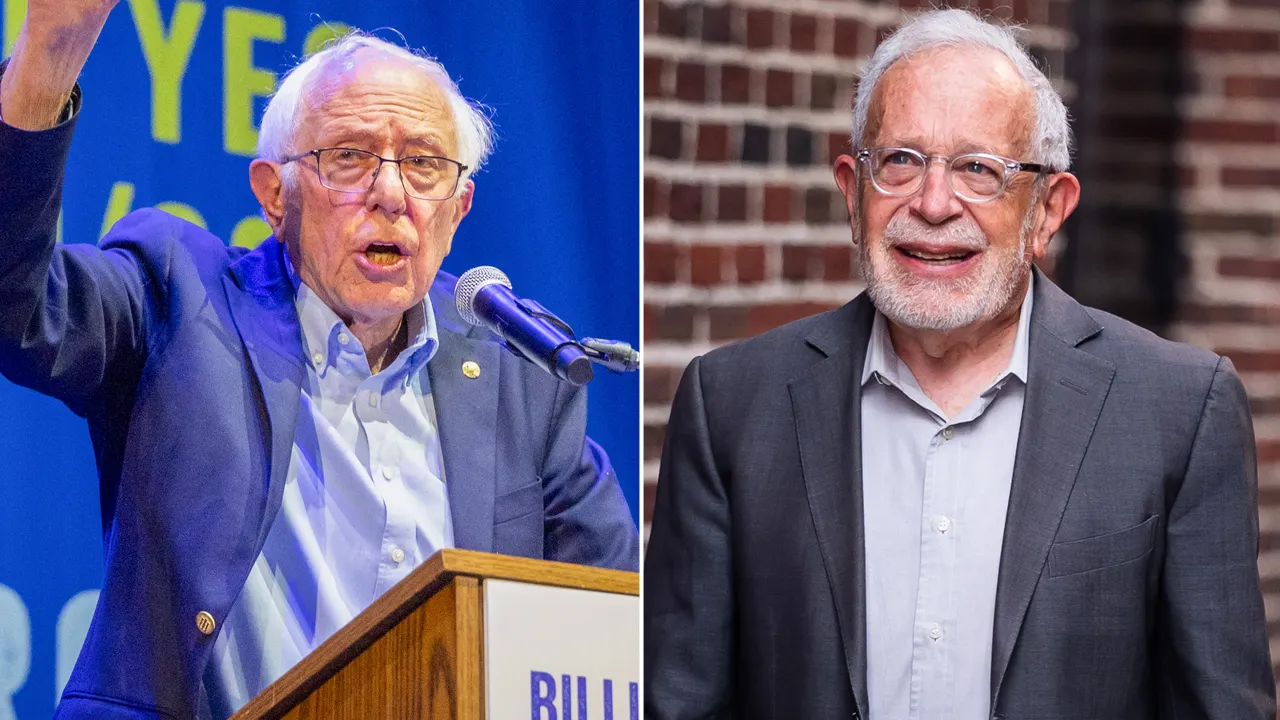
Sen. Bernie Sanders and former Labor Secretary Robert Reich have been outspoken in their support of proposed wealth taxes. (Getty Images)
The prospect of higher taxes has prompted many high-net-worth individuals to relocate—often taking their businesses with them—to lower-tax states like Florida and Texas, as previously reported by Fox News Digital.
California Governor Gavin Newsom has publicly opposed the tax proposal, while New York Governor Kathy Hochul remains hesitant. Reich suggests that their reluctance stems from a fear of wealthy taxpayers leaving, but he also implies a more cynical reason: they may be influenced by the wealthy.
Reich pointed out that when billionaire New York Mayor Mike Bloomberg faced a budget deficit, he raised property taxes by 18.5%. Despite threats from affluent New Yorkers to leave, most stayed. Similarly, after Massachusetts implemented its ‘millionaire’s tax’ in 2022, the state collected an additional $5.7 billion in revenue, and the number of millionaires actually increased, according to a study by the People’s Policy Project.
O’Leary Ventures Chairman Kevin O’Leary joins ‘Varney & Co.’ to weigh in on California’s proposed billionaire tax, the growing wealth exodus from blue states and why America is falling behind China in the AI power race.
Reich argues that the wealthy are not leaving despite tax increases because they can afford to stay. “New York’s and California’s super-rich are richer than they’ve ever been; the wealth they’ve amassed is larger than any group of Americans has ever possessed,” he noted. The taxes proposed are negligible compared to their fortunes.
Sanders framed the tax debate in California as a moral issue, highlighting the disparity between the earnings of CEOs and average workers. “The CEOs of large profitable corporations now make 350 times more than the average worker… Last year alone, the 938 billionaires in America became $1.5 trillion richer,” he remarked. He dismissed concerns for the billionaires, stating, “the richest people in this country are doing unbelievably well, while the working class in America is going nowhere in a hurry.”
Reich provocatively questions whether California would truly be worse off without tech moguls like Zuckerberg, Thiel, and Page. He suggests that raising taxes on the ultra-wealthy could not only generate essential revenue but also cleanse the state of socially irresponsible individuals.
Rep. Kevin Kiley, R-Calif., discusses Bernie Sanders’ push for a state billionaire tax, explaining how it drives wealth out of California and more on ‘The Bottom Line.’
Sen. Bernie Sanders and former Labor Secretary Robert Reich are intensifying their criticism of America’s wealthiest individuals, labeling the “billionaire class” as suffering from an “addiction” to greed. Their focus is on advocating for aggressive new tax hikes in solidly Democratic states like California and New York.
In a recent Substack post, Reich urged governors Hochul and Newsom not to fear raising taxes on the wealthy. He acknowledged that while some affluent individuals might leave New York or California due to increased taxes, he believes the majority will remain. “Never before in American history have we seen the kind of greed and arrogance and moral turpitude on the part of the ruling class that we see today,” Sanders stated during a speech in Los Angeles, advocating for California’s proposed wealth tax.
Sanders elaborated, saying, “These people suffer from an addiction problem. Do you know what the most significant addiction crisis in America is today? It is the greed of the billionaire class. For these people, enough is never enough. They are dedicated to accumulating more and more wealth.”
REAL ESTATE EXPERTS BLAST MAMDANI’S MATH-DEFYING TAX PLAN, WARN OF HIGHER RENTS AND FLIGHT
Both California and New York are currently engaged in heated tax debates. A proposal supported by the Service Employees International Union–United Healthcare Workers West seeks to impose a one-time 5% tax on the net worth of California residents exceeding $1 billion. Meanwhile, New York City Mayor Zohran Mamdani has threatened a “last resort” 9.5% property tax hike to address a $5.4 billion deficit unless the state taxes the ultra-wealthy.
Sen. Bernie Sanders and former Labor Secretary Robert Reich have been outspoken in their support of proposed wealth taxes. (Getty Images)
The prospect of higher taxes has prompted many high-net-worth individuals to relocate—often taking their businesses with them—to lower-tax states like Florida and Texas, as previously reported by Fox News Digital.
California Governor Gavin Newsom has publicly opposed the tax proposal, while New York Governor Kathy Hochul remains hesitant. Reich suggests that their reluctance stems from a fear of wealthy taxpayers leaving, but he also implies a more cynical reason: they may be influenced by the wealthy.
Reich pointed out that when billionaire New York Mayor Mike Bloomberg faced a budget deficit, he raised property taxes by 18.5%. Despite threats from affluent New Yorkers to leave, most stayed. Similarly, after Massachusetts implemented its ‘millionaire’s tax’ in 2022, the state collected an additional $5.7 billion in revenue, and the number of millionaires actually increased, according to a study by the People’s Policy Project.
O’Leary Ventures Chairman Kevin O’Leary joins ‘Varney & Co.’ to weigh in on California’s proposed billionaire tax, the growing wealth exodus from blue states and why America is falling behind China in the AI power race.
Reich argues that the wealthy are not leaving despite tax increases because they can afford to stay. “New York’s and California’s super-rich are richer than they’ve ever been; the wealth they’ve amassed is larger than any group of Americans has ever possessed,” he noted. The taxes proposed are negligible compared to their fortunes.
Sanders framed the tax debate in California as a moral issue, highlighting the disparity between the earnings of CEOs and average workers. “The CEOs of large profitable corporations now make 350 times more than the average worker… Last year alone, the 938 billionaires in America became $1.5 trillion richer,” he remarked. He dismissed concerns for the billionaires, stating, “the richest people in this country are doing unbelievably well, while the working class in America is going nowhere in a hurry.”
Reich provocatively questions whether California would truly be worse off without tech moguls like Zuckerberg, Thiel, and Page. He suggests that raising taxes on the ultra-wealthy could not only generate essential revenue but also cleanse the state of socially irresponsible individuals.