JPMorgan Chase Reports 20% Decline in China Shipments to U.S. Midsize Companies
U.S. Trade Representative Jamieson Greer discusses President Donald Trump’s decision to raise tariffs on South Korea and a trade agreement between India and the EU on ‘Kudlow.’
A recent analysis reveals a significant decline in payments made by U.S.-based midsize businesses to firms in China, coinciding with the rise of tariffs on Chinese imports under the Trump administration. The JPMorgan Chase Institute published a report indicating that these payments fell by approximately 20% from 2024 to 2025, despite overall international payments remaining stable.
The report highlights that China has been particularly affected by tariffs, with the overall effective rate reaching 37.4% in October 2025, according to the Penn Wharton Budget Model. The Institute noted that the frequent shifts in tariff announcements, which at times escalated to rates as high as 125%, contributed to this uncertainty.
Among the midsize firms that previously engaged in outflows to China, there was a noticeable increase in payments to other parts of Asia, including Southeast Asia, Japan, and India. This shift was observed in a sample of firms that reported at least $5,000 in outflows to China in both 2023 and 2024. The authors of the report suggested that this trend could be attributed to import substitution, although other explanations remain plausible.
SEC CHAIRMAN WARNS OF CHINA-LINKED RAMP-AND-DUMP ACTIVITY
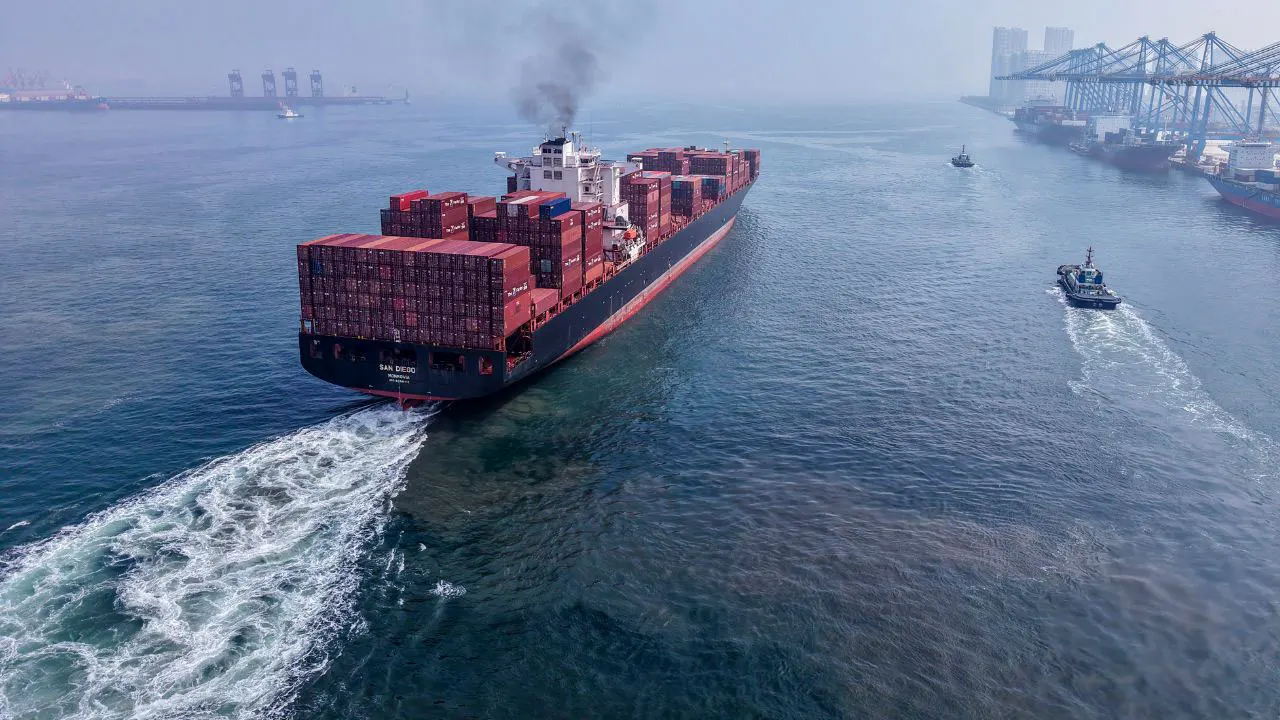
Payments by midsize U.S. firms to trade partners in China declined in 2025 amid higher tariffs, the JPMorgan Chase Institute found. (STR/AFP/Getty Images)
Clark Packard, a research fellow at the Cato Institute’s Herbert A. Stiefel Center for Trade Policy Studies, remarked that it remains uncertain whether Chinese products are being shipped to neighboring countries, modified, and then sent to the U.S. However, he indicated that there are signs suggesting this is likely occurring.
Packard explained that as long as products are modified in the second country, it does not constitute transshipment—a practice aimed at circumventing tariffs and other trade regulations.
He elaborated, “Transshipment is sending a product to one country, labeling it as that country’s origin, and then shipping it to a third country without significant modifications. As long as substantial transformation occurs in the country, the products are genuinely considered to originate from there.” Packard speculated that Chinese firms might be establishing processing centers in Vietnam and other Asian nations to finalize products destined for the U.S., benefiting from lower tariffs compared to those imposed on China.
TARIFFS MAY HAVE COST US ECONOMY THOUSANDS OF JOBS MONTHLY, FED ANALYSIS REVEALS
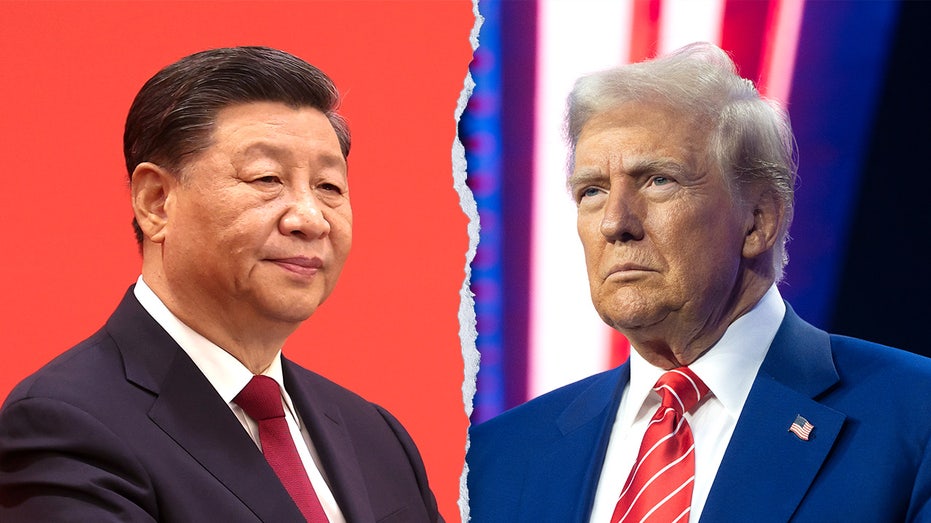
President Donald Trump ramped up tariffs on China last year. (Lintao Zhang/Getty Images; Rebecca Noble/Getty Images)
Derek Scissors, a senior fellow at the American Enterprise Institute, pointed to rising import flows from Vietnam and Taiwan as potential sources of transshipped goods. He noted, “The increase in imports from Vietnam and Taiwan could indicate transshipment of Chinese goods. Vietnamese products may be competing with Chinese goods, gaining market share due to tariffs.” Scissors also mentioned that Taiwanese producers could easily reroute goods produced in China as Taiwanese by making minimal adjustments to their production processes.
KEVIN HASSETT SAYS FED ECONOMISTS SHOULD BE ‘DISCIPLINED’ OVER TARIFF STUDY
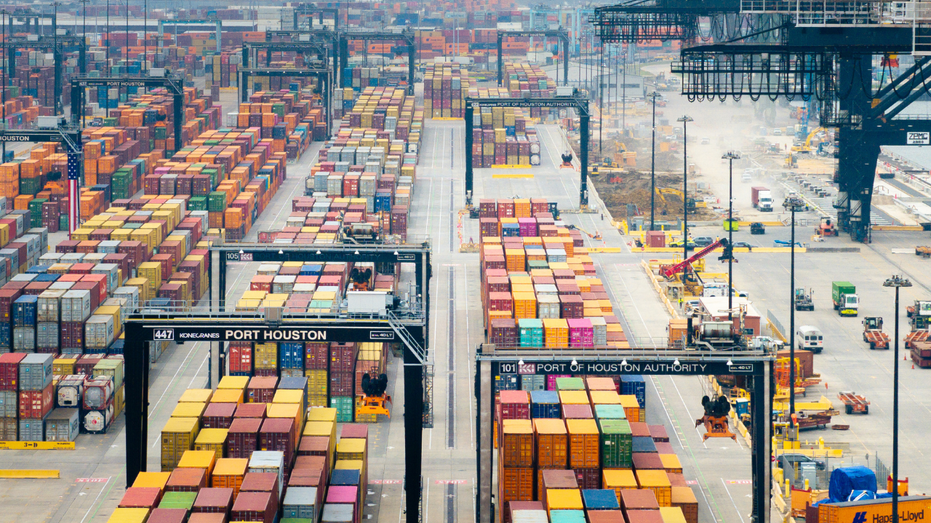
Tariffs are taxes on imported goods that are paid by the importer. (Brandon Bell/Getty Images)
The JPMorgan Chase Institute’s report also revealed that monthly tariff payments made by midsize U.S. businesses have tripled since early 2025. Tariff outflows surged from nearly $100 billion per month in early 2025 to approximately $300 billion by the end of that year.
The report noted that this stable trend was disrupted by a sharp increase starting in April 2025, coinciding with the implementation of the first tariff rate increases. Total payments continued to rise throughout the year, ultimately reaching a level three times higher than what it had been until early 2025.
U.S. Trade Representative Jamieson Greer discusses President Donald Trump’s decision to raise tariffs on South Korea and a trade agreement between India and the EU on ‘Kudlow.’
A recent analysis reveals a significant decline in payments made by U.S.-based midsize businesses to firms in China, coinciding with the rise of tariffs on Chinese imports under the Trump administration. The JPMorgan Chase Institute published a report indicating that these payments fell by approximately 20% from 2024 to 2025, despite overall international payments remaining stable.
The report highlights that China has been particularly affected by tariffs, with the overall effective rate reaching 37.4% in October 2025, according to the Penn Wharton Budget Model. The Institute noted that the frequent shifts in tariff announcements, which at times escalated to rates as high as 125%, contributed to this uncertainty.
Among the midsize firms that previously engaged in outflows to China, there was a noticeable increase in payments to other parts of Asia, including Southeast Asia, Japan, and India. This shift was observed in a sample of firms that reported at least $5,000 in outflows to China in both 2023 and 2024. The authors of the report suggested that this trend could be attributed to import substitution, although other explanations remain plausible.
SEC CHAIRMAN WARNS OF CHINA-LINKED RAMP-AND-DUMP ACTIVITY
Payments by midsize U.S. firms to trade partners in China declined in 2025 amid higher tariffs, the JPMorgan Chase Institute found. (STR/AFP/Getty Images)
Clark Packard, a research fellow at the Cato Institute’s Herbert A. Stiefel Center for Trade Policy Studies, remarked that it remains uncertain whether Chinese products are being shipped to neighboring countries, modified, and then sent to the U.S. However, he indicated that there are signs suggesting this is likely occurring.
Packard explained that as long as products are modified in the second country, it does not constitute transshipment—a practice aimed at circumventing tariffs and other trade regulations.
He elaborated, “Transshipment is sending a product to one country, labeling it as that country’s origin, and then shipping it to a third country without significant modifications. As long as substantial transformation occurs in the country, the products are genuinely considered to originate from there.” Packard speculated that Chinese firms might be establishing processing centers in Vietnam and other Asian nations to finalize products destined for the U.S., benefiting from lower tariffs compared to those imposed on China.
TARIFFS MAY HAVE COST US ECONOMY THOUSANDS OF JOBS MONTHLY, FED ANALYSIS REVEALS
President Donald Trump ramped up tariffs on China last year. (Lintao Zhang/Getty Images; Rebecca Noble/Getty Images)
Derek Scissors, a senior fellow at the American Enterprise Institute, pointed to rising import flows from Vietnam and Taiwan as potential sources of transshipped goods. He noted, “The increase in imports from Vietnam and Taiwan could indicate transshipment of Chinese goods. Vietnamese products may be competing with Chinese goods, gaining market share due to tariffs.” Scissors also mentioned that Taiwanese producers could easily reroute goods produced in China as Taiwanese by making minimal adjustments to their production processes.
KEVIN HASSETT SAYS FED ECONOMISTS SHOULD BE ‘DISCIPLINED’ OVER TARIFF STUDY
Tariffs are taxes on imported goods that are paid by the importer. (Brandon Bell/Getty Images)
The JPMorgan Chase Institute’s report also revealed that monthly tariff payments made by midsize U.S. businesses have tripled since early 2025. Tariff outflows surged from nearly $100 billion per month in early 2025 to approximately $300 billion by the end of that year.
The report noted that this stable trend was disrupted by a sharp increase starting in April 2025, coinciding with the implementation of the first tariff rate increases. Total payments continued to rise throughout the year, ultimately reaching a level three times higher than what it had been until early 2025.