Should Drug Companies Be Advertising to Consumers?

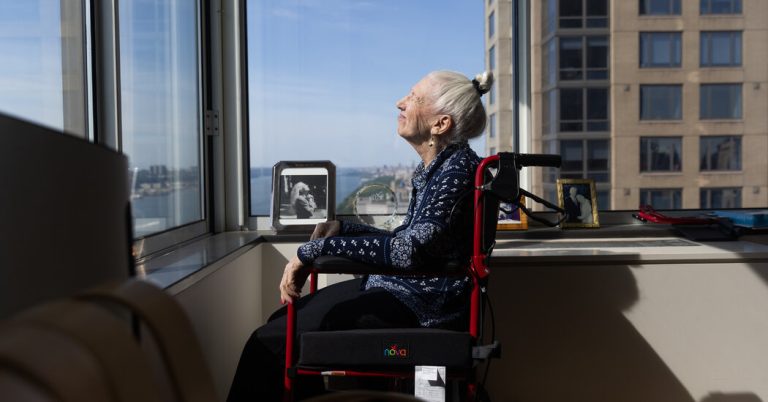
Tamar Abrams faced a challenging couple of years in 2022 and 2023. Both of her parents passed away, a significant relationship ended, and she decided to retire from her career in communications consulting. Seeking a fresh start, she relocated from Arlington, Virginia, to Warren, Rhode Island, where she knew only two people.
Reflecting on this tumultuous period, Abrams, now 69, admitted, “I was kind of a mess.” In her struggle to cope, she turned to food for comfort, leading to a weight gain that peaked at 270 pounds. As her blood pressure, cholesterol, and blood glucose levels rose, she realized, “I knew I was in trouble health-wise.”
In her search for a solution, a familiar tune popped into her mind: “Oh, oh, oh, Ozempic!” This catchy jingle from television commercials promoted the GLP-1 medication, primarily used for diabetes management, while also highlighting its weight loss benefits.
Abrams found the commercials to be “joyful,” often humming the jingle as she watched. The ads portrayed Ozempic users engaging in vibrant everyday activities—cooking omelets, repairing bikes, and playing pickleball—“doing everyday activities, but with verve,” she noted. “These people were enjoying the hell out of life.”
Encouraged by these uplifting portrayals, Abrams approached her doctor to inquire about Ozempic, despite never having been diagnosed with diabetes.
Her recollection of the ads is hardly surprising. Novo Nordisk, the manufacturer of Ozempic, invested an estimated $180 million in direct-to-consumer advertising in 2022, with spending rising to $189 million in 2023, according to MediaRadar. By last year, total spending on direct-to-consumer advertising for prescription drugs exceeded $9 billion.
The legality of marketing drugs directly to potential patients has sparked ongoing debate, particularly among older adults who often face more health issues and are more likely to take prescription medications. “Part of aging is developing health conditions and becoming a target of drug advertising,” explained Steven Woloshin, a health communication expert at the Dartmouth Institute.
This discussion dates back to 1997 when the FDA relaxed restrictions on prescription drug advertising on television, provided that a rapid-fire summary of major risks was included. “That really opened the door,” noted Abby Alpert, a health economist at the Wharton School of the University of Pennsylvania.
The introduction of Medicare Part D in 2006 further expanded prescription drug coverage, leading to a significant increase in pharmaceutical advertising. A 2023 study co-authored by Alpert revealed that pharmaceutical ads were notably more prevalent in areas with a higher proportion of residents aged 65 and older.
Research indicates that these ads influence prescription rates, prompting patients to schedule appointments and request specific medications. However, the question remains: do these ads truly benefit consumers? Most developed countries, aside from New Zealand and the United States, have opted against allowing direct-to-consumer prescription drug advertising.
Public health advocates argue that such advertisements promote the use of expensive new medications, even when existing, more affordable options are just as effective. A 2023 study in JAMA Network Open found that nearly three-quarters of the most advertised medications did not demonstrate significant advantages over older alternatives.
“Often, really good drugs sell themselves,” stated Aaron Kesselheim, a senior author of the study. “Drugs without added therapeutic value need to be pushed, and that’s what direct-to-consumer advertising does.”
Proponents of direct-to-consumer ads argue that they provide valuable information and education to patients, raising awareness of available treatments. Alpert emphasized that this is particularly crucial for underdiagnosed conditions like depression.
In September, the Trump administration reignited this debate with a presidential memorandum advocating for a return to pre-1997 advertising restrictions. Meanwhile, the FDA has been actively addressing deceptive drug ads, issuing cease-and-desist orders and warnings to pharmaceutical companies.
As discussions continue, Abrams reflects on her experience with Ozempic. After researching the medication and consulting with her doctor, she was referred to an endocrinologist who deemed her blood glucose levels warranted treatment. Three years later, she has lost 90 pounds, feels energetic enough to chase her 2-year-old grandson, and no longer requires blood pressure or cholesterol medications.
Now, Abrams finds herself pondering the implications of a potential ban on direct-to-consumer drug ads. “If I hadn’t asked my new doctor about it, would she have suggested Ozempic?” she mused. “Or would I still weigh 270 pounds?”
The New Old Age is produced through a partnership with The New York Times.
Tamar Abrams faced a challenging couple of years in 2022 and 2023. Both of her parents passed away, a significant relationship ended, and she decided to retire from her career in communications consulting. Seeking a fresh start, she relocated from Arlington, Virginia, to Warren, Rhode Island, where she knew only two people.
Reflecting on this tumultuous period, Abrams, now 69, admitted, “I was kind of a mess.” In her struggle to cope, she turned to food for comfort, leading to a weight gain that peaked at 270 pounds. As her blood pressure, cholesterol, and blood glucose levels rose, she realized, “I knew I was in trouble health-wise.”
In her search for a solution, a familiar tune popped into her mind: “Oh, oh, oh, Ozempic!” This catchy jingle from television commercials promoted the GLP-1 medication, primarily used for diabetes management, while also highlighting its weight loss benefits.
Abrams found the commercials to be “joyful,” often humming the jingle as she watched. The ads portrayed Ozempic users engaging in vibrant everyday activities—cooking omelets, repairing bikes, and playing pickleball—“doing everyday activities, but with verve,” she noted. “These people were enjoying the hell out of life.”
Encouraged by these uplifting portrayals, Abrams approached her doctor to inquire about Ozempic, despite never having been diagnosed with diabetes.
Her recollection of the ads is hardly surprising. Novo Nordisk, the manufacturer of Ozempic, invested an estimated $180 million in direct-to-consumer advertising in 2022, with spending rising to $189 million in 2023, according to MediaRadar. By last year, total spending on direct-to-consumer advertising for prescription drugs exceeded $9 billion.
The legality of marketing drugs directly to potential patients has sparked ongoing debate, particularly among older adults who often face more health issues and are more likely to take prescription medications. “Part of aging is developing health conditions and becoming a target of drug advertising,” explained Steven Woloshin, a health communication expert at the Dartmouth Institute.
This discussion dates back to 1997 when the FDA relaxed restrictions on prescription drug advertising on television, provided that a rapid-fire summary of major risks was included. “That really opened the door,” noted Abby Alpert, a health economist at the Wharton School of the University of Pennsylvania.
The introduction of Medicare Part D in 2006 further expanded prescription drug coverage, leading to a significant increase in pharmaceutical advertising. A 2023 study co-authored by Alpert revealed that pharmaceutical ads were notably more prevalent in areas with a higher proportion of residents aged 65 and older.
Research indicates that these ads influence prescription rates, prompting patients to schedule appointments and request specific medications. However, the question remains: do these ads truly benefit consumers? Most developed countries, aside from New Zealand and the United States, have opted against allowing direct-to-consumer prescription drug advertising.
Public health advocates argue that such advertisements promote the use of expensive new medications, even when existing, more affordable options are just as effective. A 2023 study in JAMA Network Open found that nearly three-quarters of the most advertised medications did not demonstrate significant advantages over older alternatives.
“Often, really good drugs sell themselves,” stated Aaron Kesselheim, a senior author of the study. “Drugs without added therapeutic value need to be pushed, and that’s what direct-to-consumer advertising does.”
Proponents of direct-to-consumer ads argue that they provide valuable information and education to patients, raising awareness of available treatments. Alpert emphasized that this is particularly crucial for underdiagnosed conditions like depression.
In September, the Trump administration reignited this debate with a presidential memorandum advocating for a return to pre-1997 advertising restrictions. Meanwhile, the FDA has been actively addressing deceptive drug ads, issuing cease-and-desist orders and warnings to pharmaceutical companies.
As discussions continue, Abrams reflects on her experience with Ozempic. After researching the medication and consulting with her doctor, she was referred to an endocrinologist who deemed her blood glucose levels warranted treatment. Three years later, she has lost 90 pounds, feels energetic enough to chase her 2-year-old grandson, and no longer requires blood pressure or cholesterol medications.
Now, Abrams finds herself pondering the implications of a potential ban on direct-to-consumer drug ads. “If I hadn’t asked my new doctor about it, would she have suggested Ozempic?” she mused. “Or would I still weigh 270 pounds?”
The New Old Age is produced through a partnership with The New York Times.