US Supreme Court Dismisses Trump’s International Tariff Policies
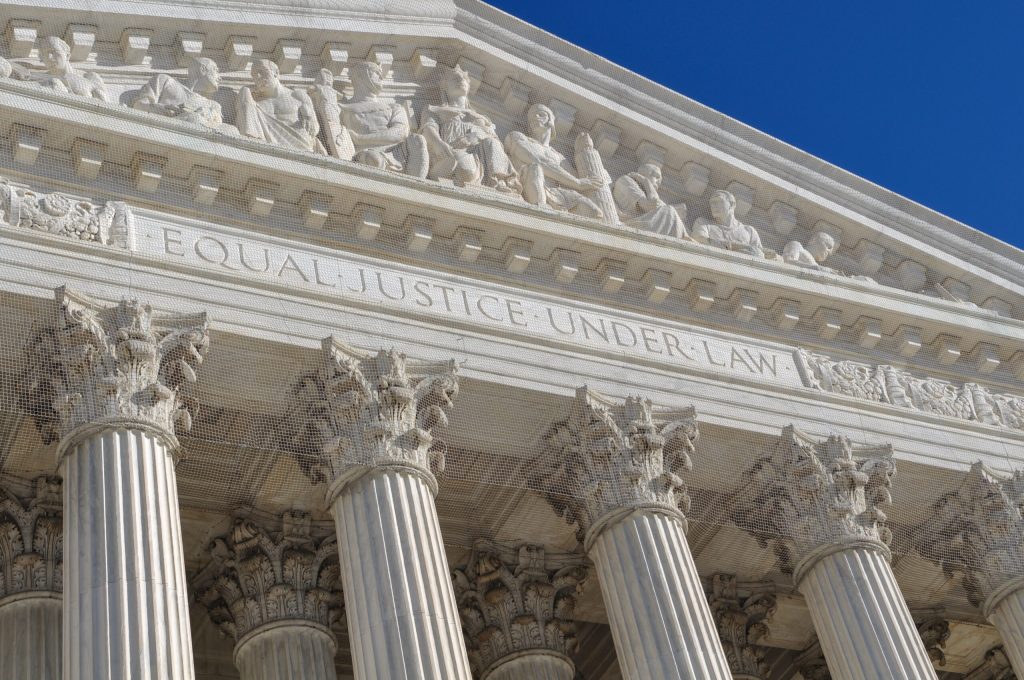
On Friday, the U.S. Supreme Court delivered a significant ruling by striking down President Donald Trump’s extensive tariffs, which he had implemented under a law designed for national emergencies. This decision not only challenges one of Trump’s most controversial claims of authority but also carries substantial implications for the global economy.
The ruling, which was decided by a 6-3 vote and authored by Chief Justice John Roberts, upheld a lower court’s finding that Trump’s use of the 1977 International Emergency Economic Powers Act (IEEPA) exceeded his presidential authority. The court determined that Trump’s interpretation of the IEEPA, which he claimed allowed him to impose tariffs, encroached upon Congress’s powers and violated the “major questions” doctrine.
This doctrine, favored by the conservative justices, mandates that actions taken by the executive branch with significant economic and political ramifications must be explicitly authorized by Congress. The court has previously employed this doctrine to block several key executive actions from President Joe Biden.
Roberts emphasized that “the president must ‘point to clear congressional authorization’ to justify his extraordinary assertion of the power to impose tariffs,” ultimately concluding that “he cannot.”
Trump has utilized tariffs—taxes on imported goods—as a pivotal economic and foreign policy instrument. These tariffs have been central to a global trade war initiated during his second term, resulting in strained relationships with trading partners, fluctuations in financial markets, and heightened global economic uncertainty.
The Supreme Court’s decision stemmed from a legal challenge brought forth by businesses adversely affected by the tariffs, alongside 12 states, predominantly governed by Democrats, contesting Trump’s unprecedented unilateral imposition of import taxes.
The dissenting justices included conservatives Clarence Thomas, Samuel Alito, and Brett Kavanaugh. The majority opinion was supported by Justices Neil Gorsuch and Amy Coney Barrett, both of whom were appointed by Trump, along with the three liberal justices.
Despite the court’s conservative majority, which had previously sided with Trump in various emergency rulings since his return to the presidency in January 2025, this decision marked a notable shift.
Forecasts suggested that Trump’s tariffs could generate trillions of dollars in revenue for the U.S. over the next decade. However, the Trump administration has not released tariff collection data since December 14. Economists from the Penn-Wharton Budget Model estimated that collections from these tariffs exceeded $175 billion, a sum that may need to be refunded following the Supreme Court’s ruling.
According to the U.S. Constitution, the authority to impose taxes and tariffs lies with Congress, not the president. Nevertheless, Trump invoked IEEPA to impose tariffs on nearly all U.S. trading partners without congressional approval. While he also enacted additional tariffs under different laws, these were not the focus of the court’s case.
Historically, IEEPA has been employed to regulate commerce during national emergencies, and Trump was the first president to use it for imposing tariffs. This approach exemplified his tendency to stretch executive authority across various domains, including immigration and military operations.
Trump characterized the tariffs as essential for U.S. economic security, asserting that without them, the nation would be vulnerable. He claimed that other countries, particularly China, had exploited the U.S. for years.
Following the Supreme Court’s arguments in November, Trump indicated he would explore alternative strategies if the ruling went against him, suggesting a “game two” plan. Treasury Secretary Scott Bessent and other officials indicated they would seek other legal justifications to maintain as many tariffs as possible, including provisions for national security and retaliatory actions against unfair trade practices.
However, these alternatives may not replicate the immediate and broad-reaching impact that IEEPA provided. Trump’s ability to impose tariffs swiftly under the guise of a national emergency enhanced his leverage over other nations, prompting world leaders to negotiate trade deals that often included substantial investments or improved market access for U.S. companies.
Yet, this strategy has also alienated numerous countries, including traditional U.S. allies. IEEPA was originally designed for imposing sanctions on adversaries, not for tariff imposition, and its language does not explicitly mention tariffs. Trump’s Justice Department argued that the law permits tariffs by allowing the president to “regulate” imports during emergencies.
The Congressional Budget Office estimated that if all current tariffs remain, including those based on IEEPA, they could generate approximately $300 billion annually over the next decade. In fiscal 2025, total U.S. net customs duty receipts reached a record $195 billion.
On April 2, a date Trump labeled “Liberation Day,” he announced what he termed “reciprocal” tariffs on goods from most U.S. trading partners, invoking IEEPA to address a national emergency related to trade deficits, despite the U.S. having experienced trade deficits for decades.
In early 2025, Trump invoked IEEPA to impose tariffs on China, Canada, and Mexico, citing the trafficking of illicit drugs as a national emergency. He has used tariffs to extract concessions, renegotiate trade agreements, and punish countries over non-trade political issues.
IEEPA was enacted by Congress and signed into law by Democratic President Jimmy Carter, with additional limitations on presidential authority compared to previous legislation. The cases before the justices involved multiple lawsuits, with the U.S. Court of Appeals siding with small businesses and several states against Trump’s tariff imposition.
Topics
USA
On Friday, the U.S. Supreme Court delivered a significant ruling by striking down President Donald Trump’s extensive tariffs, which he had implemented under a law designed for national emergencies. This decision not only challenges one of Trump’s most controversial claims of authority but also carries substantial implications for the global economy.
The ruling, which was decided by a 6-3 vote and authored by Chief Justice John Roberts, upheld a lower court’s finding that Trump’s use of the 1977 International Emergency Economic Powers Act (IEEPA) exceeded his presidential authority. The court determined that Trump’s interpretation of the IEEPA, which he claimed allowed him to impose tariffs, encroached upon Congress’s powers and violated the “major questions” doctrine.
This doctrine, favored by the conservative justices, mandates that actions taken by the executive branch with significant economic and political ramifications must be explicitly authorized by Congress. The court has previously employed this doctrine to block several key executive actions from President Joe Biden.
Roberts emphasized that “the president must ‘point to clear congressional authorization’ to justify his extraordinary assertion of the power to impose tariffs,” ultimately concluding that “he cannot.”
Trump has utilized tariffs—taxes on imported goods—as a pivotal economic and foreign policy instrument. These tariffs have been central to a global trade war initiated during his second term, resulting in strained relationships with trading partners, fluctuations in financial markets, and heightened global economic uncertainty.
The Supreme Court’s decision stemmed from a legal challenge brought forth by businesses adversely affected by the tariffs, alongside 12 states, predominantly governed by Democrats, contesting Trump’s unprecedented unilateral imposition of import taxes.
The dissenting justices included conservatives Clarence Thomas, Samuel Alito, and Brett Kavanaugh. The majority opinion was supported by Justices Neil Gorsuch and Amy Coney Barrett, both of whom were appointed by Trump, along with the three liberal justices.
Despite the court’s conservative majority, which had previously sided with Trump in various emergency rulings since his return to the presidency in January 2025, this decision marked a notable shift.
Forecasts suggested that Trump’s tariffs could generate trillions of dollars in revenue for the U.S. over the next decade. However, the Trump administration has not released tariff collection data since December 14. Economists from the Penn-Wharton Budget Model estimated that collections from these tariffs exceeded $175 billion, a sum that may need to be refunded following the Supreme Court’s ruling.
According to the U.S. Constitution, the authority to impose taxes and tariffs lies with Congress, not the president. Nevertheless, Trump invoked IEEPA to impose tariffs on nearly all U.S. trading partners without congressional approval. While he also enacted additional tariffs under different laws, these were not the focus of the court’s case.
Historically, IEEPA has been employed to regulate commerce during national emergencies, and Trump was the first president to use it for imposing tariffs. This approach exemplified his tendency to stretch executive authority across various domains, including immigration and military operations.
Trump characterized the tariffs as essential for U.S. economic security, asserting that without them, the nation would be vulnerable. He claimed that other countries, particularly China, had exploited the U.S. for years.
Following the Supreme Court’s arguments in November, Trump indicated he would explore alternative strategies if the ruling went against him, suggesting a “game two” plan. Treasury Secretary Scott Bessent and other officials indicated they would seek other legal justifications to maintain as many tariffs as possible, including provisions for national security and retaliatory actions against unfair trade practices.
However, these alternatives may not replicate the immediate and broad-reaching impact that IEEPA provided. Trump’s ability to impose tariffs swiftly under the guise of a national emergency enhanced his leverage over other nations, prompting world leaders to negotiate trade deals that often included substantial investments or improved market access for U.S. companies.
Yet, this strategy has also alienated numerous countries, including traditional U.S. allies. IEEPA was originally designed for imposing sanctions on adversaries, not for tariff imposition, and its language does not explicitly mention tariffs. Trump’s Justice Department argued that the law permits tariffs by allowing the president to “regulate” imports during emergencies.
The Congressional Budget Office estimated that if all current tariffs remain, including those based on IEEPA, they could generate approximately $300 billion annually over the next decade. In fiscal 2025, total U.S. net customs duty receipts reached a record $195 billion.
On April 2, a date Trump labeled “Liberation Day,” he announced what he termed “reciprocal” tariffs on goods from most U.S. trading partners, invoking IEEPA to address a national emergency related to trade deficits, despite the U.S. having experienced trade deficits for decades.
In early 2025, Trump invoked IEEPA to impose tariffs on China, Canada, and Mexico, citing the trafficking of illicit drugs as a national emergency. He has used tariffs to extract concessions, renegotiate trade agreements, and punish countries over non-trade political issues.
IEEPA was enacted by Congress and signed into law by Democratic President Jimmy Carter, with additional limitations on presidential authority compared to previous legislation. The cases before the justices involved multiple lawsuits, with the U.S. Court of Appeals siding with small businesses and several states against Trump’s tariff imposition.
Topics
USA