How Hometouch Builds Trust in Dementia Support
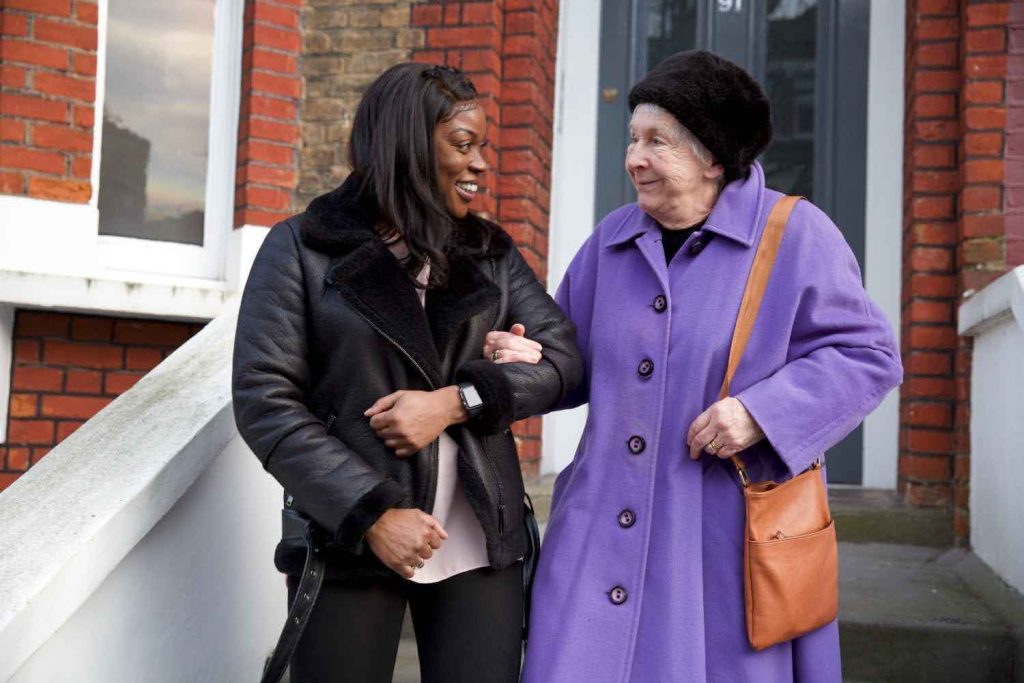
This October marks Speak Up Month in the UK, a campaign dedicated to fostering environments where individuals feel safe to voice their concerns. This year’s theme, “Listen Up,” emphasizes that listening requires action, not just attention.
For families navigating dementia care, this principle is fundamental. When someone living with dementia feels heard, their dignity remains intact. Adapting care based on actual needs leads to improved outcomes. At Hometouch, listening is the cornerstone of our clinical expertise delivered at home.
Why Listening Becomes Harder with Dementia
As dementia progresses, communication can become increasingly challenging. Confusion, memory loss, and frustration can hinder individuals from expressing their needs clearly. Nevertheless, these needs remain crucial.
When care recipients feel listened to, several positive outcomes emerge. Their sense of autonomy is preserved, even as they require more support. Concerns can be addressed early, preventing potential crises. Trust builds among carers, recipients, and families, ensuring that care plans align with lived experiences rather than assumptions.
How We Build a Listening Culture
Our doctor-founded approach ensures that clinical expertise guides every aspect of care, including how we listen and respond.
Finding a Carer Who Clicks
Before recommending any carer, our clinical team conducts a thorough assessment to understand daily routines, preferences, and what matters most. This process goes beyond medical requirements, focusing on understanding the individual as a person.
We then match your loved one with a carer who comprehends both their clinical needs and unique personality. This personalized approach ensures that care respects their dignity in familiar surroundings.
Custom Care Plans with Ongoing Oversight
Your clinical manager creates a tailored care plan based on individual needs, which is reviewed regularly in person. Adjustments are made as needs change or concerns arise.
When families raise issues, we respond promptly, whether it involves adjusting care times or modifying daily routines. Specific concerns regarding medication or safety are addressed swiftly. Our clinical team provides round-the-clock support for any questions or concerns, ensuring you’re never managing care alone.
Safe Spaces for Honest Feedback
Families need to feel confident that raising concerns won’t jeopardize relationships, and we build this safety into our service structure.
Your clinical manager maintains regular contact with both the care recipient and family, creating natural opportunities for feedback. This means you don’t have to initiate difficult conversations alone.
“Communication is not just about words; it’s about connection. For a person living with dementia, every gesture, tone, and moment of patience helps preserve their dignity, reduce confusion, and remind them they are still seen, heard, and valued.” – Dimple Chandarana, Head of Clinical Governance at Hometouch
Our account management team proactively handles continuity and addresses issues as they arise, ensuring concerns are resolved quickly, often before they escalate into larger problems.
Listening Leads to Care Confidence
When families feel heard, they can share more information, enabling carers to provide more responsive, personalized support. This improved support leads to better outcomes and greater peace of mind.
This culture of listening extends throughout our team. Every carer receives comprehensive dementia training from our clinical team, which includes specific guidance on communication techniques for individuals with cognitive impairment.
When You Need Support
Families reach out to us at various points in their care journey. Some are planning ahead as early-stage dementia begins to affect daily life, while others face urgent decisions following a hospital discharge or sudden decline. Wherever you are in this journey, our care experts can explain how specialist dementia care works at home and what support might look like for your whole family.
Care doesn’t end once it begins. If something isn’t working or a carer match isn’t quite right, we want to hear about it. Care should adapt as dementia progresses, rather than remain fixed to an initial plan that no longer serves the individual receiving it.
At Hometouch, our clinical expertise means responding to what people actually need. The person receiving care, their family, and the carers providing daily support all contribute valuable perspectives. Listening carefully becomes increasingly important as communication becomes more challenging. Our responsibility is to hear what’s said, observe what isn’t, and act on both.
Talk to one of our care experts today – no pressure, just clear answers about specialist dementia care at home.
This October marks Speak Up Month in the UK, a campaign dedicated to fostering environments where individuals feel safe to voice their concerns. This year’s theme, “Listen Up,” emphasizes that listening requires action, not just attention.
For families navigating dementia care, this principle is fundamental. When someone living with dementia feels heard, their dignity remains intact. Adapting care based on actual needs leads to improved outcomes. At Hometouch, listening is the cornerstone of our clinical expertise delivered at home.
Why Listening Becomes Harder with Dementia
As dementia progresses, communication can become increasingly challenging. Confusion, memory loss, and frustration can hinder individuals from expressing their needs clearly. Nevertheless, these needs remain crucial.
When care recipients feel listened to, several positive outcomes emerge. Their sense of autonomy is preserved, even as they require more support. Concerns can be addressed early, preventing potential crises. Trust builds among carers, recipients, and families, ensuring that care plans align with lived experiences rather than assumptions.
How We Build a Listening Culture
Our doctor-founded approach ensures that clinical expertise guides every aspect of care, including how we listen and respond.
Finding a Carer Who Clicks
Before recommending any carer, our clinical team conducts a thorough assessment to understand daily routines, preferences, and what matters most. This process goes beyond medical requirements, focusing on understanding the individual as a person.
We then match your loved one with a carer who comprehends both their clinical needs and unique personality. This personalized approach ensures that care respects their dignity in familiar surroundings.
Custom Care Plans with Ongoing Oversight
Your clinical manager creates a tailored care plan based on individual needs, which is reviewed regularly in person. Adjustments are made as needs change or concerns arise.
When families raise issues, we respond promptly, whether it involves adjusting care times or modifying daily routines. Specific concerns regarding medication or safety are addressed swiftly. Our clinical team provides round-the-clock support for any questions or concerns, ensuring you’re never managing care alone.
Safe Spaces for Honest Feedback
Families need to feel confident that raising concerns won’t jeopardize relationships, and we build this safety into our service structure.
Your clinical manager maintains regular contact with both the care recipient and family, creating natural opportunities for feedback. This means you don’t have to initiate difficult conversations alone.
“Communication is not just about words; it’s about connection. For a person living with dementia, every gesture, tone, and moment of patience helps preserve their dignity, reduce confusion, and remind them they are still seen, heard, and valued.” – Dimple Chandarana, Head of Clinical Governance at Hometouch
Our account management team proactively handles continuity and addresses issues as they arise, ensuring concerns are resolved quickly, often before they escalate into larger problems.
Listening Leads to Care Confidence
When families feel heard, they can share more information, enabling carers to provide more responsive, personalized support. This improved support leads to better outcomes and greater peace of mind.
This culture of listening extends throughout our team. Every carer receives comprehensive dementia training from our clinical team, which includes specific guidance on communication techniques for individuals with cognitive impairment.
When You Need Support
Families reach out to us at various points in their care journey. Some are planning ahead as early-stage dementia begins to affect daily life, while others face urgent decisions following a hospital discharge or sudden decline. Wherever you are in this journey, our care experts can explain how specialist dementia care works at home and what support might look like for your whole family.
Care doesn’t end once it begins. If something isn’t working or a carer match isn’t quite right, we want to hear about it. Care should adapt as dementia progresses, rather than remain fixed to an initial plan that no longer serves the individual receiving it.
At Hometouch, our clinical expertise means responding to what people actually need. The person receiving care, their family, and the carers providing daily support all contribute valuable perspectives. Listening carefully becomes increasingly important as communication becomes more challenging. Our responsibility is to hear what’s said, observe what isn’t, and act on both.
Talk to one of our care experts today – no pressure, just clear answers about specialist dementia care at home.