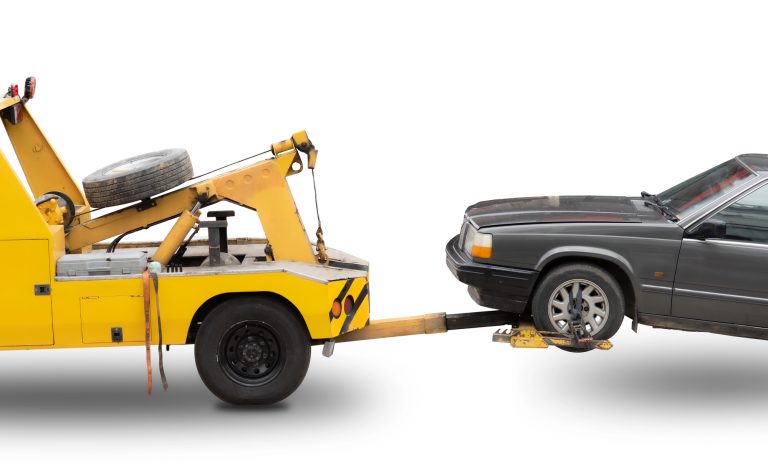
Volvo Cars Issues Recall for 40,000 Electric SUVs Due to Battery Fire Hazard
Volvo Cars is set to recall over 40,000 of its flagship electric EX30 SUVs due to concerns that their battery packs may overheat. This announcement, made to Reuters on Monday, poses a significant risk to the automaker’s hard-earned reputation for safety and could result in substantial financial losses.
The recall, which had not been previously reported, involves the replacement of modules in the high-voltage battery packs of the compact SUV. This model is crucial for Volvo as it seeks to compete with more affordable Chinese brands. Battery safety remains a critical issue for both electric vehicle (EV) manufacturers and consumers alike.
A total of 40,323 EX30 Single-Motor Extended Range and Twin-Motor Performance vehicles are affected by this recall. The Swedish automaker, which is majority-owned by China’s Geely, confirmed this in response to inquiries from Reuters.
“We are now contacting the owners of all affected cars to advise them of next steps,” Volvo VOLCARb.ST stated.
Following the news of the recall, Volvo Cars’ shares experienced a 4% decline, reflecting investor concerns.
In the rush to develop new electric vehicles, several automakers have encountered battery defects. A notable example occurred in 2020 when General Motors had to recall 140,000 Chevy Bolts due to fire risks associated with batteries supplied by South Korea’s LG Electronics, costing the company around $2 billion to rectify.
Volvo’s current battery issues arise as the company embarks on a $1.9 billion savings initiative and seeks deeper integration with its parent company, Geely. The batteries in question were produced by a Geely-backed joint venture, Shandong Geely Sunwoda Power Battery Co. Volvo has indicated that the supplier has resolved the issue and will provide the new battery cells.
“They have to get it right,” said Sam Fiorani, vice president for global vehicle forecasting at AutoForecast Solutions, emphasizing the importance of the EX30 to Volvo.
Since December, Volvo has advised EX30 owners in over a dozen countries, including the United States, Australia, and Brazil, to park their vehicles away from buildings and limit charging to 70% to mitigate fire risks, as noted in regulatory filings.
Industry veteran Andy Palmer, who oversaw the launch of Nissan’s Leaf EV in 2010, remarked that Volvo has less margin for error than its competitors, given that safety is central to its brand identity. “Volvo can’t afford a safety issue because that strikes at the heart of their brand,” he stated.
The financial implications of this battery issue could be steep. A Reuters analysis suggests that the new replacement battery modules could cost around $195 million, excluding logistics and repair expenses. Volvo has described these calculations as “speculative in nature” and is currently in discussions with the supplier.
Before the recall was announced, two EX30 owners expressed their desire to return their vehicles, highlighting the potential impact of this situation. British insurance agent Matthew Owen stated he chose the EX30 for its range and Volvo’s safety reputation, asserting that the automaker should take responsibility for producing a “dangerous” car.
Meanwhile, Tony Lu, an EX30 owner in New Zealand, noted that the charging cap has resulted in higher costs due to reduced range. “I would be absolutely delighted if they bought the car back,” Lu remarked.
The most important insurance news, in your inbox every business day.
Get the insurance industry’s trusted newsletter
Volvo Cars is set to recall over 40,000 of its flagship electric EX30 SUVs due to concerns that their battery packs may overheat. This announcement, made to Reuters on Monday, poses a significant risk to the automaker’s hard-earned reputation for safety and could result in substantial financial losses.
The recall, which had not been previously reported, involves the replacement of modules in the high-voltage battery packs of the compact SUV. This model is crucial for Volvo as it seeks to compete with more affordable Chinese brands. Battery safety remains a critical issue for both electric vehicle (EV) manufacturers and consumers alike.
A total of 40,323 EX30 Single-Motor Extended Range and Twin-Motor Performance vehicles are affected by this recall. The Swedish automaker, which is majority-owned by China’s Geely, confirmed this in response to inquiries from Reuters.
“We are now contacting the owners of all affected cars to advise them of next steps,” Volvo VOLCARb.ST stated.
Following the news of the recall, Volvo Cars’ shares experienced a 4% decline, reflecting investor concerns.
In the rush to develop new electric vehicles, several automakers have encountered battery defects. A notable example occurred in 2020 when General Motors had to recall 140,000 Chevy Bolts due to fire risks associated with batteries supplied by South Korea’s LG Electronics, costing the company around $2 billion to rectify.
Volvo’s current battery issues arise as the company embarks on a $1.9 billion savings initiative and seeks deeper integration with its parent company, Geely. The batteries in question were produced by a Geely-backed joint venture, Shandong Geely Sunwoda Power Battery Co. Volvo has indicated that the supplier has resolved the issue and will provide the new battery cells.
“They have to get it right,” said Sam Fiorani, vice president for global vehicle forecasting at AutoForecast Solutions, emphasizing the importance of the EX30 to Volvo.
Since December, Volvo has advised EX30 owners in over a dozen countries, including the United States, Australia, and Brazil, to park their vehicles away from buildings and limit charging to 70% to mitigate fire risks, as noted in regulatory filings.
Industry veteran Andy Palmer, who oversaw the launch of Nissan’s Leaf EV in 2010, remarked that Volvo has less margin for error than its competitors, given that safety is central to its brand identity. “Volvo can’t afford a safety issue because that strikes at the heart of their brand,” he stated.
The financial implications of this battery issue could be steep. A Reuters analysis suggests that the new replacement battery modules could cost around $195 million, excluding logistics and repair expenses. Volvo has described these calculations as “speculative in nature” and is currently in discussions with the supplier.
Before the recall was announced, two EX30 owners expressed their desire to return their vehicles, highlighting the potential impact of this situation. British insurance agent Matthew Owen stated he chose the EX30 for its range and Volvo’s safety reputation, asserting that the automaker should take responsibility for producing a “dangerous” car.
Meanwhile, Tony Lu, an EX30 owner in New Zealand, noted that the charging cap has resulted in higher costs due to reduced range. “I would be absolutely delighted if they bought the car back,” Lu remarked.
The most important insurance news, in your inbox every business day.
Get the insurance industry’s trusted newsletter