One Year Later: Analyzing Claims Handling Breakdowns from LA Wildfires
Over a year has passed since the devastating Palisades and Eaton Fires in Los Angeles, yet attorneys specializing in first-party property claims continue to witness a significant rise in disputes. This trend shows no signs of slowing down; claims are expected to transition from adjusters’ desks to legal battles for at least another year or two.
While every claim presents its own unique circumstances, certain patterns have emerged. Some insurance carriers have managed these fires effectively, while others have not. This discussion is not about naming specific companies but rather about identifying the practices that lead to unnecessary conflicts.
Slow-Rolling Total Loss Replacement Cost
California ranks as one of the most expensive states for home repairs or rebuilding, with the Pacific Palisades at the peak of that cost curve. So, why did many large carriers initially assert that rebuild costs would be significantly lower?
There are explanations for this practice, though none are justifiable. Over the past year, we have observed a gradual increase in replacement allowances, with adjustments creeping upward every few months. Then, almost predictably, at the one-year mark, many carriers decided to halt adjustments altogether, ignoring market data and construction realities.
Related: California Bill Would Require Insurer Claims Handling Plans, and Double Penalties
This issue is critical because California operates as an open-policy state. A total loss does not guarantee payment of policy limits; the loss must still be assessed. In reality, most policyholders are either underinsured or barely adequately insured. The notion that many homeowners affected by the Palisades or Eaton Fires were overinsured to the extent that their rebuild costs require “heavy scrutiny” is simply not credible.
Carriers engaging in this behavior likely understand, at higher levels, that they were being overly conservative while awaiting more data. Transparency is essential; insurers should communicate this to policyholders upfront, set realistic expectations, and explain the steps being taken. Concealing context only exacerbates the situation. If delays on the carrier’s side slow down the claims process, they should compensate for that delay. While some carriers have made efforts in this regard, many have not.
Customer Service Is Still a Weak Link
Claims handling should prioritize customer service. Most adjusters genuinely want to assist, but when they are undertrained or lack resources, they often provide incorrect information or fail to communicate altogether.
Currently, we are witnessing a bare-minimum approach: communications that merely check regulatory boxes without offering real information. Letters are often sparse, vague, and increasingly generated by AI. Adjusters are rotated mid-process, disrupting momentum and undoing progress. Agreements made by one adjuster can be overturned by another.
When will the human aspect be reintroduced into claims handling? Claimants are facing catastrophic losses, and their lives have been turned upside down. Most are experiencing some of the most challenging times of their lives.
Applying Wildfire Science to Urban Firestorms Doesn’t Work
The smoke produced by the Palisades and Eaton Fires was not typical wildfire smoke. These were urban conflagrations, with homes, vehicles, plastics, batteries, and building materials burning together.
This unique smoke profile introduces different contaminants and risks, necessitating distinct investigation standards. Communities are aware of this and are organized, sharing data and demanding thorough testing.
Related: California Bill Requires Insurers to Offer, Renew Coverage for ‘Fire-Safe’ Homes
For years, carriers have developed strategies to resist smoke-damage claims in traditional wildfires. However, these strategies do not apply to urban losses. While some companies have adapted their scopes and testing protocols, others continue to apply outdated wildfire strategies in dense, urban-wildland-interface neighborhoods, where the costs of proper cleaning and reconstruction are significantly higher. The outcome is predictable: the wildfire playbook fails, leading to spiraling claims.
Insurers must not only prepare financially through underwriting but also operationally. Adaptation is the key difference between a resolved claim and a litigated one.
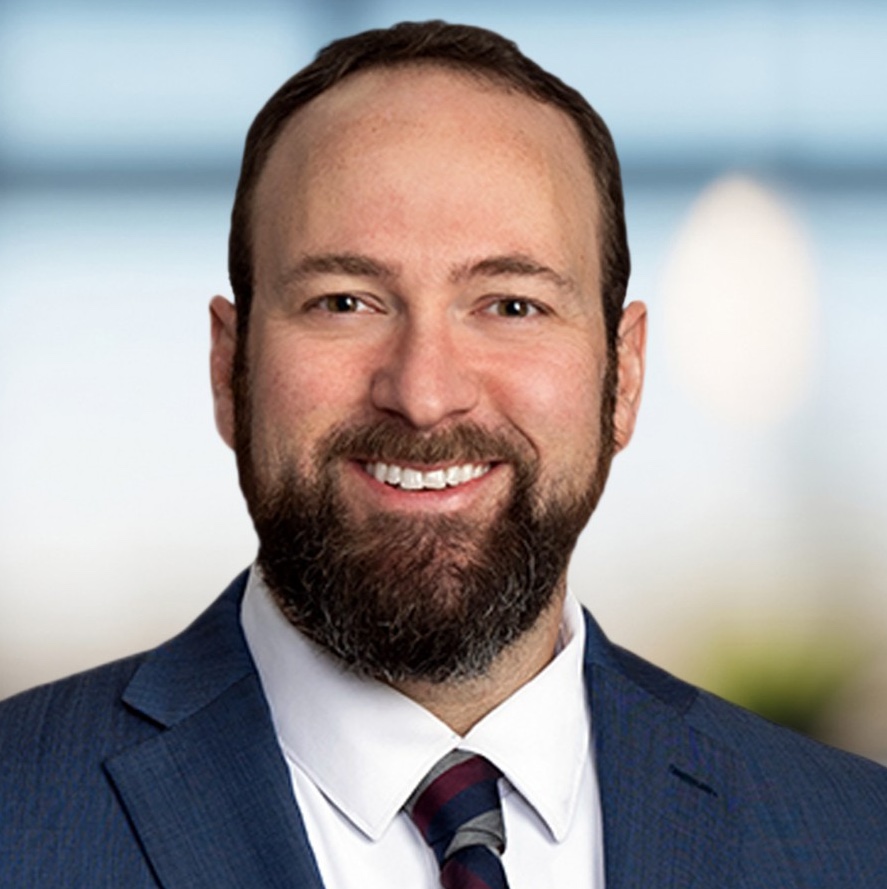
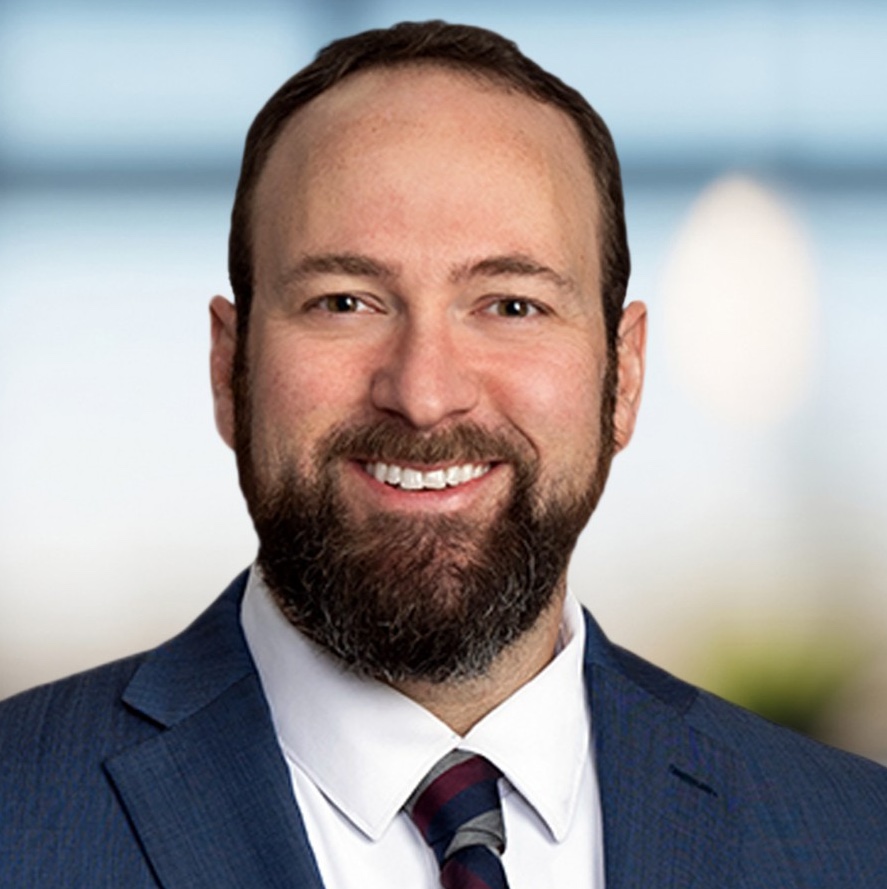
Daniel Veroff is a first-party property insurance attorney with Merlin Law Group, based in San Francisco, California. He represents policyholders in catastrophic loss disputes and complex coverage matters. Email: dveroff@merlinlawgroup.com.
Topics
Catastrophe
Natural Disasters
Claims
Wildfire
Louisiana
Interested in Catastrophe?
Get automatic alerts for this topic.
Over a year has passed since the devastating Palisades and Eaton Fires in Los Angeles, yet attorneys specializing in first-party property claims continue to witness a significant rise in disputes. This trend shows no signs of slowing down; claims are expected to transition from adjusters’ desks to legal battles for at least another year or two.
While every claim presents its own unique circumstances, certain patterns have emerged. Some insurance carriers have managed these fires effectively, while others have not. This discussion is not about naming specific companies but rather about identifying the practices that lead to unnecessary conflicts.
Slow-Rolling Total Loss Replacement Cost
California ranks as one of the most expensive states for home repairs or rebuilding, with the Pacific Palisades at the peak of that cost curve. So, why did many large carriers initially assert that rebuild costs would be significantly lower?
There are explanations for this practice, though none are justifiable. Over the past year, we have observed a gradual increase in replacement allowances, with adjustments creeping upward every few months. Then, almost predictably, at the one-year mark, many carriers decided to halt adjustments altogether, ignoring market data and construction realities.
Related: California Bill Would Require Insurer Claims Handling Plans, and Double Penalties
This issue is critical because California operates as an open-policy state. A total loss does not guarantee payment of policy limits; the loss must still be assessed. In reality, most policyholders are either underinsured or barely adequately insured. The notion that many homeowners affected by the Palisades or Eaton Fires were overinsured to the extent that their rebuild costs require “heavy scrutiny” is simply not credible.
Carriers engaging in this behavior likely understand, at higher levels, that they were being overly conservative while awaiting more data. Transparency is essential; insurers should communicate this to policyholders upfront, set realistic expectations, and explain the steps being taken. Concealing context only exacerbates the situation. If delays on the carrier’s side slow down the claims process, they should compensate for that delay. While some carriers have made efforts in this regard, many have not.
Customer Service Is Still a Weak Link
Claims handling should prioritize customer service. Most adjusters genuinely want to assist, but when they are undertrained or lack resources, they often provide incorrect information or fail to communicate altogether.
Currently, we are witnessing a bare-minimum approach: communications that merely check regulatory boxes without offering real information. Letters are often sparse, vague, and increasingly generated by AI. Adjusters are rotated mid-process, disrupting momentum and undoing progress. Agreements made by one adjuster can be overturned by another.
When will the human aspect be reintroduced into claims handling? Claimants are facing catastrophic losses, and their lives have been turned upside down. Most are experiencing some of the most challenging times of their lives.
Applying Wildfire Science to Urban Firestorms Doesn’t Work
The smoke produced by the Palisades and Eaton Fires was not typical wildfire smoke. These were urban conflagrations, with homes, vehicles, plastics, batteries, and building materials burning together.
This unique smoke profile introduces different contaminants and risks, necessitating distinct investigation standards. Communities are aware of this and are organized, sharing data and demanding thorough testing.
Related: California Bill Requires Insurers to Offer, Renew Coverage for ‘Fire-Safe’ Homes
For years, carriers have developed strategies to resist smoke-damage claims in traditional wildfires. However, these strategies do not apply to urban losses. While some companies have adapted their scopes and testing protocols, others continue to apply outdated wildfire strategies in dense, urban-wildland-interface neighborhoods, where the costs of proper cleaning and reconstruction are significantly higher. The outcome is predictable: the wildfire playbook fails, leading to spiraling claims.
Insurers must not only prepare financially through underwriting but also operationally. Adaptation is the key difference between a resolved claim and a litigated one.
Daniel Veroff is a first-party property insurance attorney with Merlin Law Group, based in San Francisco, California. He represents policyholders in catastrophic loss disputes and complex coverage matters. Email: dveroff@merlinlawgroup.com.
Topics
Catastrophe
Natural Disasters
Claims
Wildfire
Louisiana
Interested in Catastrophe?
Get automatic alerts for this topic.