UK Sanctions Maritime Mutual, New Zealand Insurer, Following Reuters Investigation
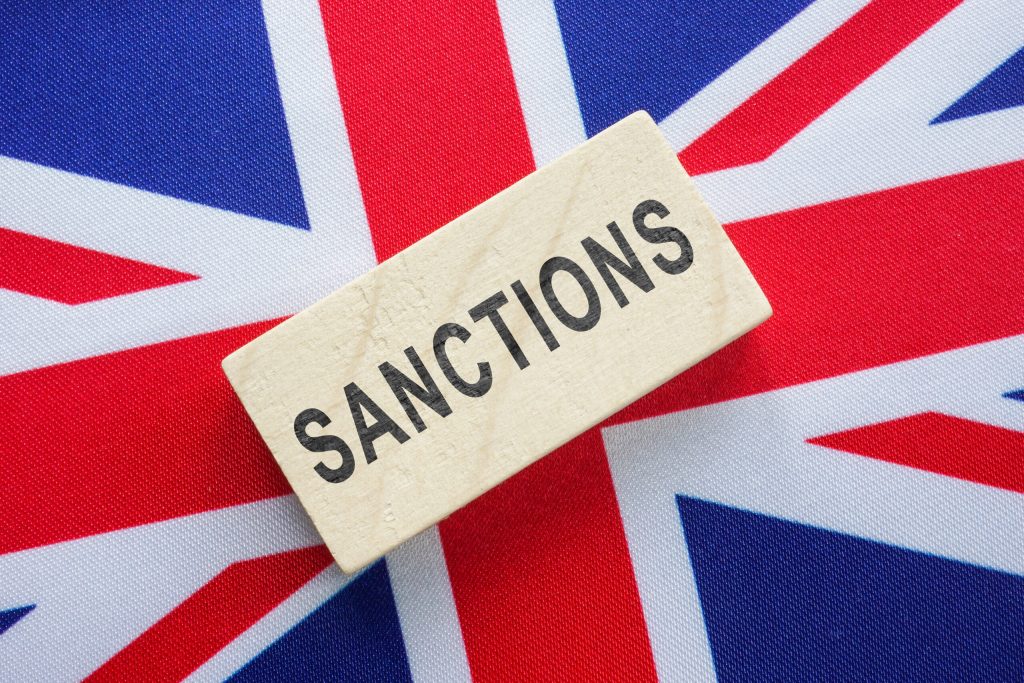
On Tuesday, Britain imposed sanctions on Maritime Mutual, a marine insurer based in New Zealand, following a Reuters special report that revealed the company’s involvement in facilitating the trade of billions of dollars worth of oil from Iran and Russia.
The British government stated that Maritime Mutual “is or has been involved in obtaining a benefit from or supporting the Government of Russia by carrying on business in a sector of strategic significance to the Government of Russia, namely the Russian energy sector.” This declaration underscores the serious implications of the company’s operations in the context of international sanctions.
According to the October report by Reuters, Maritime Mutual had insured numerous vessels within what is referred to as the shadow fleet. This fleet consists of hundreds of oil tankers owned by various firms that transport sanctioned cargoes from countries like Iran, Russia, and Venezuela, often obscuring their activities through the use of fake locations, documents, and names.
Read more — Reuters: Iran, Russia and the New Zealand Insurer That Kept Sanctioned Oil Flowing
Notably, Maritime Mutual had at one point insured nearly one in six of the shadow fleet tankers that had been sanctioned by Western governments, including those from the United States, the European Union, and Britain. This significant involvement raised alarms about the company’s compliance with international regulations.
The sanctions imposed on Maritime Mutual Insurance Association, the primary business entity located in Auckland, New Zealand, include an asset freeze and disqualification of its directors. Additionally, Maritime Mutual Association Limited, an affiliate based in Gibraltar, was also subjected to these sanctions.
The UK Treasury has issued a license that allows for the winding down of insurance policies written by Maritime Mutual entities and their subsidiaries prior to the announcement of sanctions. This license is set to expire on April 9.
As of the time of publication, requests for comments sent to the management and general inquiries teams of Maritime Mutual had not been answered. A representative who answered the phone at the company’s Christchurch office declined to provide any comments.
In the past, Maritime Mutual has denied any wrongdoing regarding international sanctions. The company asserted to Reuters last year that it maintains a “zero-tolerance policy” concerning sanction breaches and operates under stringent compliance standards to ensure adherence to all applicable laws and regulations.
The sanctions against Maritime Mutual are part of a broader package of nearly 300 measures that Britain has described as its largest set of penalties since the onset of the war in Ukraine. This announcement coincided with the fourth anniversary of Russia’s invasion of Ukraine.
Foreign Minister Yvette Cooper emphasized the UK’s commitment to taking decisive action, stating, “The UK has today taken decisive action to disrupt the critical financing, military equipment, and revenue streams that sustain Russia’s aggression.”
On Tuesday, Britain imposed sanctions on Maritime Mutual, a marine insurer based in New Zealand, following a Reuters special report that revealed the company’s involvement in facilitating the trade of billions of dollars worth of oil from Iran and Russia.
The British government stated that Maritime Mutual “is or has been involved in obtaining a benefit from or supporting the Government of Russia by carrying on business in a sector of strategic significance to the Government of Russia, namely the Russian energy sector.” This declaration underscores the serious implications of the company’s operations in the context of international sanctions.
According to the October report by Reuters, Maritime Mutual had insured numerous vessels within what is referred to as the shadow fleet. This fleet consists of hundreds of oil tankers owned by various firms that transport sanctioned cargoes from countries like Iran, Russia, and Venezuela, often obscuring their activities through the use of fake locations, documents, and names.
Read more — Reuters: Iran, Russia and the New Zealand Insurer That Kept Sanctioned Oil Flowing
Notably, Maritime Mutual had at one point insured nearly one in six of the shadow fleet tankers that had been sanctioned by Western governments, including those from the United States, the European Union, and Britain. This significant involvement raised alarms about the company’s compliance with international regulations.
The sanctions imposed on Maritime Mutual Insurance Association, the primary business entity located in Auckland, New Zealand, include an asset freeze and disqualification of its directors. Additionally, Maritime Mutual Association Limited, an affiliate based in Gibraltar, was also subjected to these sanctions.
The UK Treasury has issued a license that allows for the winding down of insurance policies written by Maritime Mutual entities and their subsidiaries prior to the announcement of sanctions. This license is set to expire on April 9.
As of the time of publication, requests for comments sent to the management and general inquiries teams of Maritime Mutual had not been answered. A representative who answered the phone at the company’s Christchurch office declined to provide any comments.
In the past, Maritime Mutual has denied any wrongdoing regarding international sanctions. The company asserted to Reuters last year that it maintains a “zero-tolerance policy” concerning sanction breaches and operates under stringent compliance standards to ensure adherence to all applicable laws and regulations.
The sanctions against Maritime Mutual are part of a broader package of nearly 300 measures that Britain has described as its largest set of penalties since the onset of the war in Ukraine. This announcement coincided with the fourth anniversary of Russia’s invasion of Ukraine.
Foreign Minister Yvette Cooper emphasized the UK’s commitment to taking decisive action, stating, “The UK has today taken decisive action to disrupt the critical financing, military equipment, and revenue streams that sustain Russia’s aggression.”