Activist Claims Amex, Deere, and J&J Withdraw from Board Diversity Mandate
Recent developments have seen American Express Co., Deere & Co., and Johnson & Johnson abandon their diversity criteria for selecting new board directors, as reported by a conservative shareholder activist group.
Goldman Sachs Group Inc. is also contemplating a similar shift, as confirmed by Bloomberg earlier this week. These changes reflect the growing influence of conservative pressures on corporate governance and management practices.
In October, American Express entered into an agreement with the National Legal and Policy Center (NLPC), a nonprofit organization that opposes Diversity, Equity, and Inclusion (DEI) initiatives in corporate settings. According to a letter reviewed by Bloomberg News, Deere amended its bylaws following a shareholder proposal aimed at eliminating DEI criteria. Paul Chesser, director of the NLPC’s Corporate Integrity Project, noted that the group chose not to pursue the matter with Johnson & Johnson after confirming that the company had already made the necessary changes.
Requests for comments from American Express, Deere, and Johnson & Johnson went unanswered. The NLPC has publicly disclosed the changes made by American Express and Deere on its website and has provided documents that verify these modifications.
“They already see the DEI wave has gone in the opposite direction,” Chesser remarked.
Over the past few years, companies have been retreating from their diversity commitments, largely due to a conservative backlash and legal challenges against corporate efforts to promote equity for historically underrepresented groups. The shift was notably accelerated during President Donald Trump’s administration, which made the dismantling of what he termed “illegal DEI” a key objective through a series of executive orders. Recently, a U.S. federal appellate court upheld critical provisions of these directives.
The Equal Employment Opportunity Commission (EEOC), the federal body responsible for monitoring workplace discrimination, is now encouraging white men who believe they have faced discrimination to come forward and file lawsuits against their employers. Additionally, the EEOC has disclosed that it is investigating whether past DEI hiring goals at Nike Inc. were unlawful, with Nike confirming its cooperation in the inquiry.
As part of its agreement with the NLPC, American Express has removed language from its board member selection criteria that referenced “gender, race, ethnicity, age, sexual orientation, and nationality.” In exchange, the NLPC agreed to withdraw its request for a shareholder vote.
For Deere, the updated board bylaws no longer mention “race, ethnicity, gender, and other types of diversity,” a change that led the NLPC to drop its concerns with the company.
Goldman Sachs is expected to eliminate considerations of race, gender identity, sexual orientation, and other diversity factors from its director nomination criteria. This potential change follows a request made by the NLPC last September, according to sources familiar with the discussions.
The NLPC has also engaged with Johnson & Johnson and Colgate-Palmolive Co. regarding their DEI criteria in board selection. While discussions with Johnson & Johnson confirmed that the company had already altered its policy, Colgate-Palmolive has yet to issue a formal response. Currently, Colgate lists “race, ethnicity, gender, sexual orientation, gender identity, and cultural background” among its criteria for potential directors.
As of 2025, approximately 58% of S&P 500 boards reported having a policy akin to the NFL’s Rooney Rule, which aims to ensure that candidates from diverse backgrounds are included in recruitment processes. This figure remains unchanged from 2024, according to executive recruiter Spencer Stuart. However, the same report indicated a decline in the percentage of companies reporting their board’s representation of underrepresented minorities, dropping from 99% in 2024 to 78% in 2025.
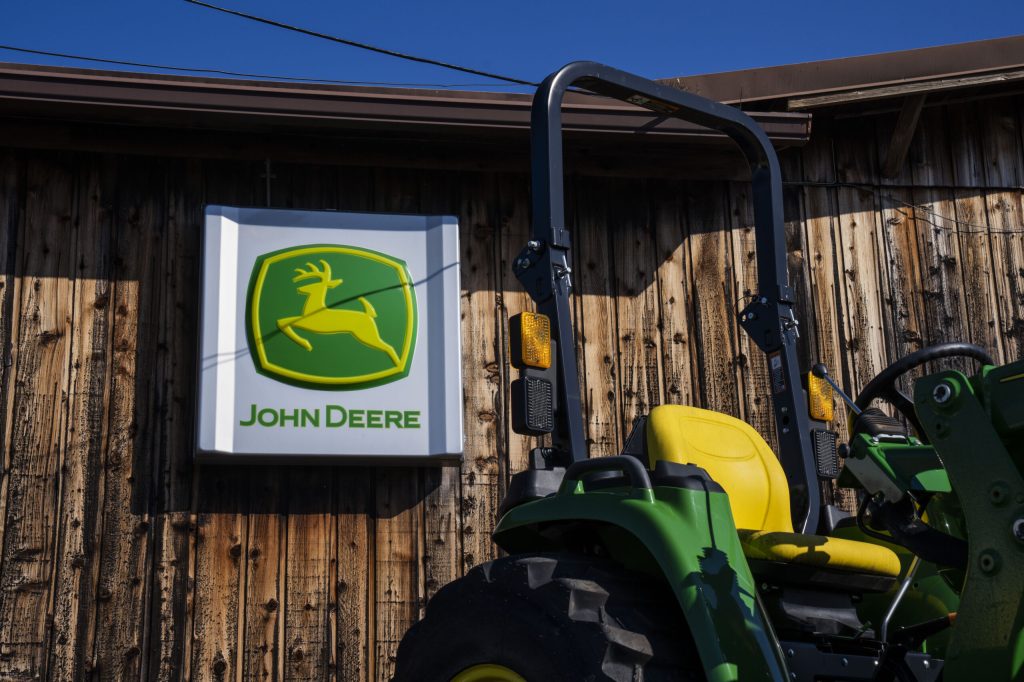
Photo: John Deere equipment for sale at a United Ag and Turf dealership in Colchester, Connecticut. Photographer: Joe Buglewicz/Bloomberg
Copyright 2026 Bloomberg.
Interested in Diversity?
Get automatic alerts for this topic.
Recent developments have seen American Express Co., Deere & Co., and Johnson & Johnson abandon their diversity criteria for selecting new board directors, as reported by a conservative shareholder activist group.
Goldman Sachs Group Inc. is also contemplating a similar shift, as confirmed by Bloomberg earlier this week. These changes reflect the growing influence of conservative pressures on corporate governance and management practices.
In October, American Express entered into an agreement with the National Legal and Policy Center (NLPC), a nonprofit organization that opposes Diversity, Equity, and Inclusion (DEI) initiatives in corporate settings. According to a letter reviewed by Bloomberg News, Deere amended its bylaws following a shareholder proposal aimed at eliminating DEI criteria. Paul Chesser, director of the NLPC’s Corporate Integrity Project, noted that the group chose not to pursue the matter with Johnson & Johnson after confirming that the company had already made the necessary changes.
Requests for comments from American Express, Deere, and Johnson & Johnson went unanswered. The NLPC has publicly disclosed the changes made by American Express and Deere on its website and has provided documents that verify these modifications.
“They already see the DEI wave has gone in the opposite direction,” Chesser remarked.
Over the past few years, companies have been retreating from their diversity commitments, largely due to a conservative backlash and legal challenges against corporate efforts to promote equity for historically underrepresented groups. The shift was notably accelerated during President Donald Trump’s administration, which made the dismantling of what he termed “illegal DEI” a key objective through a series of executive orders. Recently, a U.S. federal appellate court upheld critical provisions of these directives.
The Equal Employment Opportunity Commission (EEOC), the federal body responsible for monitoring workplace discrimination, is now encouraging white men who believe they have faced discrimination to come forward and file lawsuits against their employers. Additionally, the EEOC has disclosed that it is investigating whether past DEI hiring goals at Nike Inc. were unlawful, with Nike confirming its cooperation in the inquiry.
As part of its agreement with the NLPC, American Express has removed language from its board member selection criteria that referenced “gender, race, ethnicity, age, sexual orientation, and nationality.” In exchange, the NLPC agreed to withdraw its request for a shareholder vote.
For Deere, the updated board bylaws no longer mention “race, ethnicity, gender, and other types of diversity,” a change that led the NLPC to drop its concerns with the company.
Goldman Sachs is expected to eliminate considerations of race, gender identity, sexual orientation, and other diversity factors from its director nomination criteria. This potential change follows a request made by the NLPC last September, according to sources familiar with the discussions.
The NLPC has also engaged with Johnson & Johnson and Colgate-Palmolive Co. regarding their DEI criteria in board selection. While discussions with Johnson & Johnson confirmed that the company had already altered its policy, Colgate-Palmolive has yet to issue a formal response. Currently, Colgate lists “race, ethnicity, gender, sexual orientation, gender identity, and cultural background” among its criteria for potential directors.
As of 2025, approximately 58% of S&P 500 boards reported having a policy akin to the NFL’s Rooney Rule, which aims to ensure that candidates from diverse backgrounds are included in recruitment processes. This figure remains unchanged from 2024, according to executive recruiter Spencer Stuart. However, the same report indicated a decline in the percentage of companies reporting their board’s representation of underrepresented minorities, dropping from 99% in 2024 to 78% in 2025.
Photo: John Deere equipment for sale at a United Ag and Turf dealership in Colchester, Connecticut. Photographer: Joe Buglewicz/Bloomberg
Copyright 2026 Bloomberg.
Interested in Diversity?
Get automatic alerts for this topic.