How Hometouch Builds Safety into Dementia Home Care
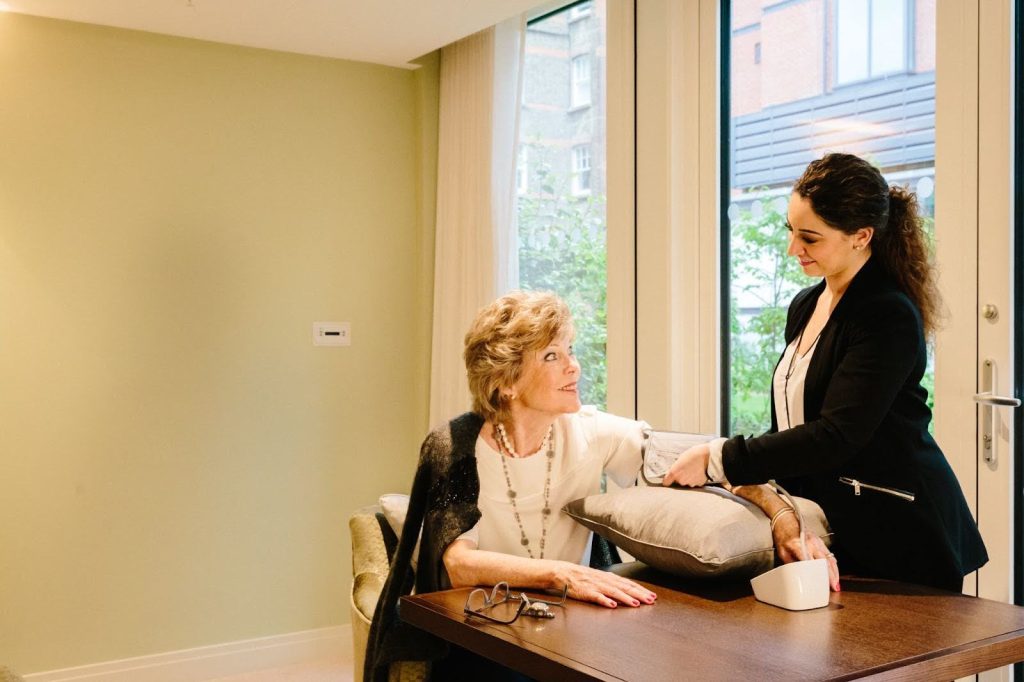
World Patient Safety Day took place last week, emphasizing the critical importance of preventing avoidable harm in healthcare. This principle is particularly vital for families considering dementia care at home. The challenge lies in maintaining clinical safety while allowing loved ones to enjoy their independence in familiar surroundings.
When a family member is living with dementia, safety concerns often complicate care decisions. Questions arise: Can medication be managed effectively at home? What protocols are in place for emergencies? How can clinical standards be upheld without sacrificing the comfort of home?
At Hometouch, these questions shape our approach to care. As a service founded by medical professionals, we recognize that effective dementia care requires clinical expertise that safeguards your loved one while preserving their dignity in a home environment.
Understanding Safety Risks in Dementia Home Care
Families considering home care often express five primary concerns:
- Trust: Assurance that carers are thoroughly vetted and possess the necessary skills and experience.
- Quality of care: Consistent high standards from personal care to understanding dementia behavior.
- Loss of independence: Preserving autonomy and familiar routines that provide comfort and dignity.
- Continuity of care: Reliable support that transitions smoothly as circumstances change.
- Financial considerations: Transparent pricing with no hidden charges.
Addressing these concerns requires structured support and clinical oversight, not just comforting words.
How Hometouch Builds Safety into Every Care Plan
We go beyond basic protocols by embedding medical expertise into every aspect of care:
Expert assessment and planning
Our clinical team conducts comprehensive assessments that extend beyond personality matching. Clinical managers identify potential risks and develop adaptive care plans that evolve as dementia progresses.
Comprehensive carer preparation
Every carer undergoes specialized training in dementia care, manual handling, and medication protocols. They learn to recognize subtle changes that may indicate emerging issues. Ongoing training and reassessments ensure that carers remain equipped for complex situations.
Open communication culture
Carers can communicate concerns directly with our clinical team, ensuring that their observations receive immediate attention. This fosters an environment where potential issues are addressed proactively.
Supporting Families Through Clinical Confidence
True safety arises from the combination of clinical knowledge and compassionate daily care. Our approach ensures:
- Carers receive ongoing clinical support for complex decisions.
- Families gain confidence from medical oversight of care plans.
- Prevention becomes the focus, rather than crisis management.
The Impact of Structured Safety
When clinical expertise informs daily care, families experience significant benefits:
- Reduced hospital visits: Fewer preventable injuries and complications lead to longer periods of safe home care.
- Enhanced well-being: Effective safety measures support continued independence and dignity in familiar surroundings.
- Family peace of mind: Clinical oversight instills confidence that your loved one is protected, even when you cannot be present.
Research published in the BMJ indicates that 1 in 20 patients experience avoidable harm in hospital settings. Our framework applies these systematic safety standards to home care, minimizing risks while maintaining the comfort that fosters better outcomes for individuals living with dementia.
Supporting Safety in Dementia Care
Ensuring safety in dementia home care isn’t about transforming a home into a hospital; it’s about integrating clinical expertise into a familiar, comfortable setting. At Hometouch, families gain the confidence that their loved ones are protected while dignity and independence are upheld.
“At Hometouch, we have robust safeguards in place to give you complete peace of mind that your loved one is in safe hands. Our care review system allows family members to view daily notes, keeping you informed and connected. We also set bespoke, personalized tasks for our carers tailored to your loved one’s needs, ensuring they receive the highest quality of care, delivered safely, with dignity, and with respect at every step.” – Dimple Chandarana, Head of Clinical Governance at Hometouch
Expert-Led Safety at Home
Effective dementia safety isn’t about recreating a clinical environment at home; it’s about integrating medical expertise into a setting that preserves dignity, familiarity, and independence.
If you’re exploring dementia care options, our clinical team can explain how this safety-focused approach can benefit your family. Talk to one of our care experts – no pressure, just guidance when you need it most.
World Patient Safety Day took place last week, emphasizing the critical importance of preventing avoidable harm in healthcare. This principle is particularly vital for families considering dementia care at home. The challenge lies in maintaining clinical safety while allowing loved ones to enjoy their independence in familiar surroundings.
When a family member is living with dementia, safety concerns often complicate care decisions. Questions arise: Can medication be managed effectively at home? What protocols are in place for emergencies? How can clinical standards be upheld without sacrificing the comfort of home?
At Hometouch, these questions shape our approach to care. As a service founded by medical professionals, we recognize that effective dementia care requires clinical expertise that safeguards your loved one while preserving their dignity in a home environment.
Understanding Safety Risks in Dementia Home Care
Families considering home care often express five primary concerns:
- Trust: Assurance that carers are thoroughly vetted and possess the necessary skills and experience.
- Quality of care: Consistent high standards from personal care to understanding dementia behavior.
- Loss of independence: Preserving autonomy and familiar routines that provide comfort and dignity.
- Continuity of care: Reliable support that transitions smoothly as circumstances change.
- Financial considerations: Transparent pricing with no hidden charges.
Addressing these concerns requires structured support and clinical oversight, not just comforting words.
How Hometouch Builds Safety into Every Care Plan
We go beyond basic protocols by embedding medical expertise into every aspect of care:
Expert assessment and planning
Our clinical team conducts comprehensive assessments that extend beyond personality matching. Clinical managers identify potential risks and develop adaptive care plans that evolve as dementia progresses.
Comprehensive carer preparation
Every carer undergoes specialized training in dementia care, manual handling, and medication protocols. They learn to recognize subtle changes that may indicate emerging issues. Ongoing training and reassessments ensure that carers remain equipped for complex situations.
Open communication culture
Carers can communicate concerns directly with our clinical team, ensuring that their observations receive immediate attention. This fosters an environment where potential issues are addressed proactively.
Supporting Families Through Clinical Confidence
True safety arises from the combination of clinical knowledge and compassionate daily care. Our approach ensures:
- Carers receive ongoing clinical support for complex decisions.
- Families gain confidence from medical oversight of care plans.
- Prevention becomes the focus, rather than crisis management.
The Impact of Structured Safety
When clinical expertise informs daily care, families experience significant benefits:
- Reduced hospital visits: Fewer preventable injuries and complications lead to longer periods of safe home care.
- Enhanced well-being: Effective safety measures support continued independence and dignity in familiar surroundings.
- Family peace of mind: Clinical oversight instills confidence that your loved one is protected, even when you cannot be present.
Research published in the BMJ indicates that 1 in 20 patients experience avoidable harm in hospital settings. Our framework applies these systematic safety standards to home care, minimizing risks while maintaining the comfort that fosters better outcomes for individuals living with dementia.
Supporting Safety in Dementia Care
Ensuring safety in dementia home care isn’t about transforming a home into a hospital; it’s about integrating clinical expertise into a familiar, comfortable setting. At Hometouch, families gain the confidence that their loved ones are protected while dignity and independence are upheld.
“At Hometouch, we have robust safeguards in place to give you complete peace of mind that your loved one is in safe hands. Our care review system allows family members to view daily notes, keeping you informed and connected. We also set bespoke, personalized tasks for our carers tailored to your loved one’s needs, ensuring they receive the highest quality of care, delivered safely, with dignity, and with respect at every step.” – Dimple Chandarana, Head of Clinical Governance at Hometouch
Expert-Led Safety at Home
Effective dementia safety isn’t about recreating a clinical environment at home; it’s about integrating medical expertise into a setting that preserves dignity, familiarity, and independence.
If you’re exploring dementia care options, our clinical team can explain how this safety-focused approach can benefit your family. Talk to one of our care experts – no pressure, just guidance when you need it most.