EU Unveils Fresh Sanctions Targeting Companies and Individuals Linked to Russian Oil
The European Union has adopted fresh sanctions targeting companies and individuals accused of helping Moscow to circumvent Western sanctions on oil exports that help to fund Russia’s war in Ukraine.
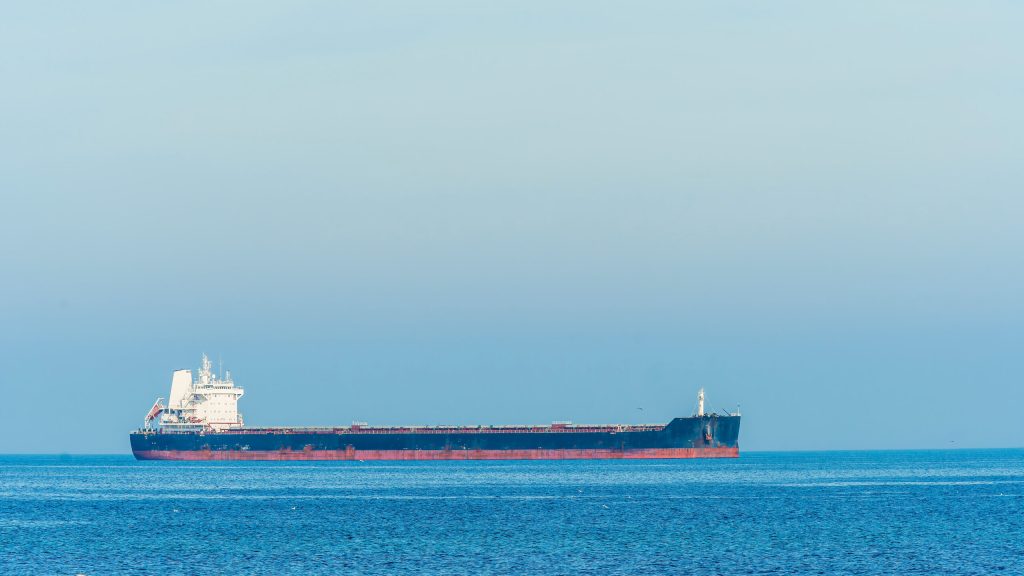
The EU has imposed 19 packages of sanctions so far, but Moscow has managed to adapt to most measures and is still selling millions of barrels of oil to India and China, albeit at discounts to global prices. Much of this is transported using a so-called shadow fleet of vessels operating outside of the Western maritime industry.
The latest EU sanctions prohibit the bloc’s citizens from doing business with the listed companies and individuals, reducing their access to major shipping and insurance providers. The EU has listed more than 2,600 individuals and companies in total.
The new sanctions target nine individuals and entities supporting Russia’s shadow fleet of oil tankers, as noted by the Council of the European Union and the EU’s Official Journal. This includes businessmen linked to major oil companies such as Rosneft and Lukoil, as well as shipping companies that own and manage tankers.
Among those listed is Valery Kildiyarov, finance director of Litasco Middle East DMCC, a trading subsidiary of Lukoil. Additionally, three individuals—Anar Madatli, Talat Safarov, and Etibar Eyyub—are targeted due to their connections with the trading firm Coral Energy, which has been renamed 2Rivers Group.
Another significant figure is Murtaza Lakhani, a Canadian-Pakistani oil trader and CEO of Mercantile & Maritime. The EU’s Official Journal states, “Through his companies, he enables shipments and export of Russian oil, notably from the Russian state-owned oil company Rosneft.”
Specifically, Lakhani is said to control vessels transporting crude oil or petroleum products originating from or being exported from Russia. Despite the sanctions, Lakhani, Mercantile & Maritime, Litasco Middle East DMCC, and 2Rivers Group have not responded to requests for comment.
Lakhani, 63, has faced intense scrutiny since his early career at global trader Glencore, where he served as an agent in Baghdad during the Saddam Hussein era. He later transitioned to Iraq’s Kurdistan region, acting as a middleman between the oil ministry and international companies.
In 2014, he established Mercantile & Maritime Group, a mid-sized trading house with offices in Singapore and London. Lakhani has been vocal about the resilience of Russia’s oil industry, stating, “This country (Russia) is the largest resource country in the world. Hampering it is a very short-term effect, not a long-term goal for anybody. They will always need Russia,” during an interview with Russia’s SolovievLive at the St Petersburg Forum in June.
(Reporting by Lili Bayer and Julia Payne; writing by Louise Breusch Rasmussen; editing by Mark Heinrich and David Goodman)
The European Union has adopted fresh sanctions targeting companies and individuals accused of helping Moscow to circumvent Western sanctions on oil exports that help to fund Russia’s war in Ukraine.
The EU has imposed 19 packages of sanctions so far, but Moscow has managed to adapt to most measures and is still selling millions of barrels of oil to India and China, albeit at discounts to global prices. Much of this is transported using a so-called shadow fleet of vessels operating outside of the Western maritime industry.
The latest EU sanctions prohibit the bloc’s citizens from doing business with the listed companies and individuals, reducing their access to major shipping and insurance providers. The EU has listed more than 2,600 individuals and companies in total.
The new sanctions target nine individuals and entities supporting Russia’s shadow fleet of oil tankers, as noted by the Council of the European Union and the EU’s Official Journal. This includes businessmen linked to major oil companies such as Rosneft and Lukoil, as well as shipping companies that own and manage tankers.
Among those listed is Valery Kildiyarov, finance director of Litasco Middle East DMCC, a trading subsidiary of Lukoil. Additionally, three individuals—Anar Madatli, Talat Safarov, and Etibar Eyyub—are targeted due to their connections with the trading firm Coral Energy, which has been renamed 2Rivers Group.
Another significant figure is Murtaza Lakhani, a Canadian-Pakistani oil trader and CEO of Mercantile & Maritime. The EU’s Official Journal states, “Through his companies, he enables shipments and export of Russian oil, notably from the Russian state-owned oil company Rosneft.”
Specifically, Lakhani is said to control vessels transporting crude oil or petroleum products originating from or being exported from Russia. Despite the sanctions, Lakhani, Mercantile & Maritime, Litasco Middle East DMCC, and 2Rivers Group have not responded to requests for comment.
Lakhani, 63, has faced intense scrutiny since his early career at global trader Glencore, where he served as an agent in Baghdad during the Saddam Hussein era. He later transitioned to Iraq’s Kurdistan region, acting as a middleman between the oil ministry and international companies.
In 2014, he established Mercantile & Maritime Group, a mid-sized trading house with offices in Singapore and London. Lakhani has been vocal about the resilience of Russia’s oil industry, stating, “This country (Russia) is the largest resource country in the world. Hampering it is a very short-term effect, not a long-term goal for anybody. They will always need Russia,” during an interview with Russia’s SolovievLive at the St Petersburg Forum in June.
(Reporting by Lili Bayer and Julia Payne; writing by Louise Breusch Rasmussen; editing by Mark Heinrich and David Goodman)