Venezuela Reports Oil Export System Disruption Following Weekend Cyberattack
Venezuela’s state oil company is grappling with significant challenges as it attempts to restore critical administrative systems following a cyberattack that occurred over the weekend.
Petroleos de Venezuela SA (PDVSA) reported that its network, which is responsible for managing export and import data at the country’s primary crude terminal in Jose, remained offline as of Monday. This disruption, which began early Saturday, has led to delays in scheduled loadings and necessitated contingency measures throughout the organization, according to sources familiar with the situation.
In an internal memo obtained by Bloomberg, PDVSA instructed its staff to shut down computers, disconnect external hardware, and disable WiFi and Starlink connections. Additionally, security measures at company facilities have been heightened since Sunday.
In a statement released on Monday, PDVSA claimed it had neutralized a “sabotage attempt” aimed at disrupting its operations, asserting that oil output remained unaffected. However, a PDVSA press official did not respond immediately to inquiries regarding the situation.
President Nicolás Maduro has a history of accusing the United States of orchestrating cyberattacks and other forms of sabotage against Venezuela. He previously attributed a hack, which he claimed originated in Macedonia, to delays in the tally of last year’s presidential election.
In October, former President Donald Trump authorized the Central Intelligence Agency to undertake covert actions in Venezuela to combat drug shipments and illegal migration into the U.S. Since early September, U.S. forces have targeted nearly two dozen boats in the southern Caribbean, alleging they were transporting narcotics destined for the U.S. These operations have escalated tensions with Maduro and sparked speculation about potential broader military actions by Washington in Venezuela. Just last week, the U.S. seized a sanctioned oil tanker carrying Venezuelan crude.
Years of inadequate maintenance have further weakened PDVSA’s administrative networks, rendering them more vulnerable to breaches. The company has also lost essential software licenses due to U.S. sanctions that prohibit dealings with American tech providers. Although PDVSA has faced website hacks in the past, none have persisted as long as the current disruption, according to one source.
The internal document cautioned personnel against restarting or using any devices without proper guidance, emphasizing that the company has not ruled out the possibility of compromised information.
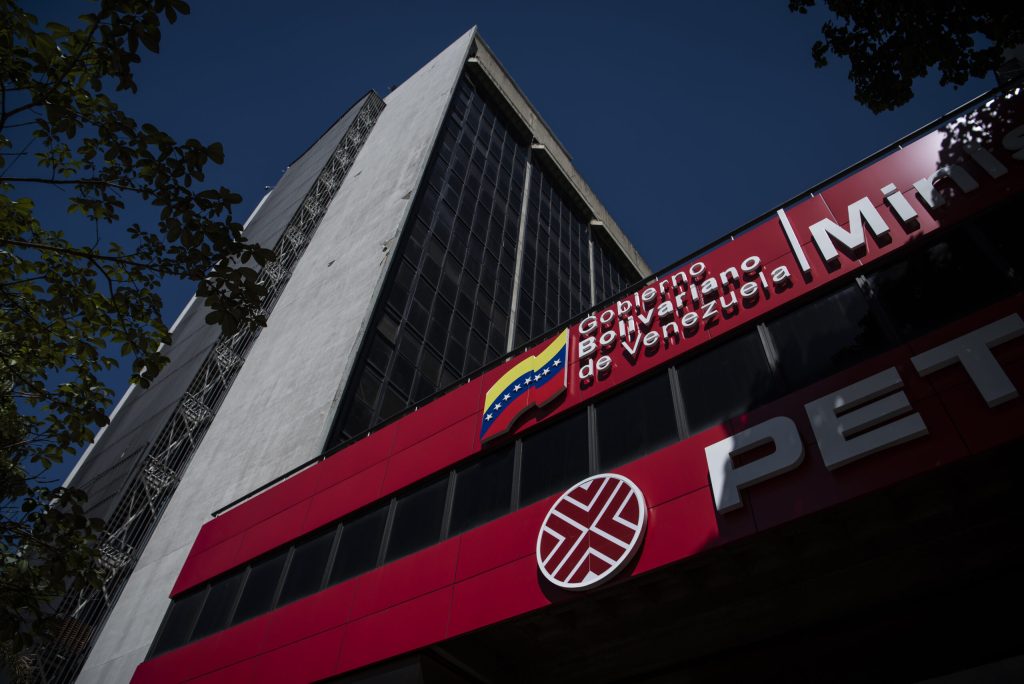
Photograph: The Petroleos de Venezuela SA building in Caracas, Venezuela. Source: Bloomberg
Related:
Copyright 2025 Bloomberg.
Interested in Cyber?
Get automatic alerts for this topic.
Venezuela’s state oil company is grappling with significant challenges as it attempts to restore critical administrative systems following a cyberattack that occurred over the weekend.
Petroleos de Venezuela SA (PDVSA) reported that its network, which is responsible for managing export and import data at the country’s primary crude terminal in Jose, remained offline as of Monday. This disruption, which began early Saturday, has led to delays in scheduled loadings and necessitated contingency measures throughout the organization, according to sources familiar with the situation.
In an internal memo obtained by Bloomberg, PDVSA instructed its staff to shut down computers, disconnect external hardware, and disable WiFi and Starlink connections. Additionally, security measures at company facilities have been heightened since Sunday.
In a statement released on Monday, PDVSA claimed it had neutralized a “sabotage attempt” aimed at disrupting its operations, asserting that oil output remained unaffected. However, a PDVSA press official did not respond immediately to inquiries regarding the situation.
President Nicolás Maduro has a history of accusing the United States of orchestrating cyberattacks and other forms of sabotage against Venezuela. He previously attributed a hack, which he claimed originated in Macedonia, to delays in the tally of last year’s presidential election.
In October, former President Donald Trump authorized the Central Intelligence Agency to undertake covert actions in Venezuela to combat drug shipments and illegal migration into the U.S. Since early September, U.S. forces have targeted nearly two dozen boats in the southern Caribbean, alleging they were transporting narcotics destined for the U.S. These operations have escalated tensions with Maduro and sparked speculation about potential broader military actions by Washington in Venezuela. Just last week, the U.S. seized a sanctioned oil tanker carrying Venezuelan crude.
Years of inadequate maintenance have further weakened PDVSA’s administrative networks, rendering them more vulnerable to breaches. The company has also lost essential software licenses due to U.S. sanctions that prohibit dealings with American tech providers. Although PDVSA has faced website hacks in the past, none have persisted as long as the current disruption, according to one source.
The internal document cautioned personnel against restarting or using any devices without proper guidance, emphasizing that the company has not ruled out the possibility of compromised information.
Photograph: The Petroleos de Venezuela SA building in Caracas, Venezuela. Source: Bloomberg
Related:
Copyright 2025 Bloomberg.
Interested in Cyber?
Get automatic alerts for this topic.