10 Cognitive Exercises to Keep Your Brain Sharp
As we age, maintaining an active and healthy mind becomes increasingly important. While cognitive decline is a natural aspect of aging, engaging in regular mental exercises can significantly slow this process, enhance memory, and promote overall brain health. Fortunately, there are numerous simple yet effective cognitive exercises that seniors can incorporate into their daily routines to keep their brains sharp and improve mental agility.
This article explores enjoyable and practical activities designed to help seniors maintain and even enhance their cognitive function. Whether you seek mental challenges or relaxing ways to stay sharp, these exercises can easily fit into your lifestyle.
Puzzles and Brain Games
One of the most enjoyable ways to exercise your brain is through puzzles and brain games. Activities like crossword puzzles, Sudoku, and jigsaw puzzles require problem-solving skills, memory, and concentration. These games not only provide a fun challenge but also help strengthen cognitive abilities such as logical thinking and short-term memory.
Reading and Writing
Reading books, newspapers, or articles on topics of interest stimulates the brain by enhancing vocabulary, comprehension, and focus. Writing in a journal or composing short stories serves as another excellent exercise that encourages creativity and helps seniors improve memory recall and language skills.
Memory Recall Cognitive Exercises
Practicing memory recall is crucial for keeping your brain sharp. Try recalling lists of items, names, or past experiences. For instance, memorize a list of grocery items and then attempt to recall them after 10 or 20 minutes. You can also challenge yourself to remember phone numbers or old addresses. Over time, these exercises can significantly boost memory retention.
Learning a New Skill or Hobby
Learning something new—be it a language, musical instrument, or craft—provides an excellent cognitive workout. These activities engage the brain in problem-solving, memory, and creativity. The more complex the skill, the more challenging and rewarding it becomes for brain health. Consider picking up a new hobby or attending a class to continue building mental muscle.
Mindful Meditation and Relaxation
While cognitive exercises often involve active thinking, relaxation practices also play a vital role in maintaining brain health. Mindful meditation encourages focus, awareness, and clarity. It has been shown to reduce stress and anxiety while improving attention span and emotional regulation, all of which are essential for cognitive health.
Social Interaction
Engaging in conversations and social activities is crucial for brain exercise. Talking with friends, family, or members of a social group can enhance memory, language skills, and cognitive flexibility. Social interaction also fosters emotional connections, which are key for mental well-being.
Strategy Games
Strategy games like chess, checkers, and card games are excellent for boosting brainpower. These games require critical thinking, planning, and anticipating your opponent’s moves, effectively exercising the brain’s executive functions. Regularly playing these games can improve problem-solving abilities and memory recall.
Physical Exercise
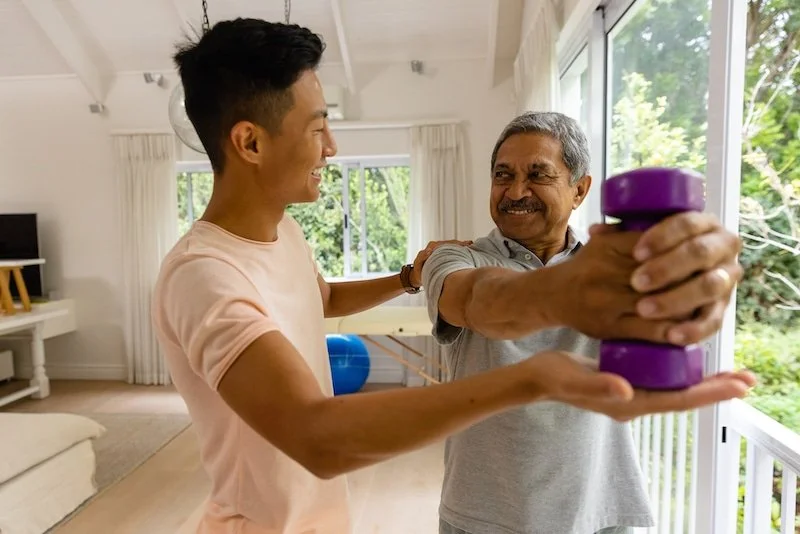
Physical exercise benefits not only the body but also the brain. Activities such as walking, swimming, or yoga increase blood flow to the brain, supporting cognitive function. Regular physical activity can help prevent cognitive decline and enhance memory, attention, and processing speed.
Music and Dance
Listening to music or engaging in dance can improve cognitive function by boosting creativity, memory, and concentration. Music activates multiple areas of the brain, while dancing enhances coordination and motor skills. Singing along to your favorite tunes or dancing to the rhythm also stimulates memory and emotions.
Visualization and Mental Imagery
Visualization exercises involve imagining or mentally rehearsing an activity or scenario. For example, you might visualize walking through a familiar place or recalling the steps to a hobby or task. This mental imagery exercise strengthens the brain’s memory and cognitive processing skills, helping to retain details and enhance mental clarity.
As we age, maintaining an active and healthy mind becomes increasingly important. While cognitive decline is a natural aspect of aging, engaging in regular mental exercises can significantly slow this process, enhance memory, and promote overall brain health. Fortunately, there are numerous simple yet effective cognitive exercises that seniors can incorporate into their daily routines to keep their brains sharp and improve mental agility.
This article explores enjoyable and practical activities designed to help seniors maintain and even enhance their cognitive function. Whether you seek mental challenges or relaxing ways to stay sharp, these exercises can easily fit into your lifestyle.
Puzzles and Brain Games
One of the most enjoyable ways to exercise your brain is through puzzles and brain games. Activities like crossword puzzles, Sudoku, and jigsaw puzzles require problem-solving skills, memory, and concentration. These games not only provide a fun challenge but also help strengthen cognitive abilities such as logical thinking and short-term memory.
Reading and Writing
Reading books, newspapers, or articles on topics of interest stimulates the brain by enhancing vocabulary, comprehension, and focus. Writing in a journal or composing short stories serves as another excellent exercise that encourages creativity and helps seniors improve memory recall and language skills.
Memory Recall Cognitive Exercises
Practicing memory recall is crucial for keeping your brain sharp. Try recalling lists of items, names, or past experiences. For instance, memorize a list of grocery items and then attempt to recall them after 10 or 20 minutes. You can also challenge yourself to remember phone numbers or old addresses. Over time, these exercises can significantly boost memory retention.
Learning a New Skill or Hobby
Learning something new—be it a language, musical instrument, or craft—provides an excellent cognitive workout. These activities engage the brain in problem-solving, memory, and creativity. The more complex the skill, the more challenging and rewarding it becomes for brain health. Consider picking up a new hobby or attending a class to continue building mental muscle.
Mindful Meditation and Relaxation
While cognitive exercises often involve active thinking, relaxation practices also play a vital role in maintaining brain health. Mindful meditation encourages focus, awareness, and clarity. It has been shown to reduce stress and anxiety while improving attention span and emotional regulation, all of which are essential for cognitive health.
Social Interaction
Engaging in conversations and social activities is crucial for brain exercise. Talking with friends, family, or members of a social group can enhance memory, language skills, and cognitive flexibility. Social interaction also fosters emotional connections, which are key for mental well-being.
Strategy Games
Strategy games like chess, checkers, and card games are excellent for boosting brainpower. These games require critical thinking, planning, and anticipating your opponent’s moves, effectively exercising the brain’s executive functions. Regularly playing these games can improve problem-solving abilities and memory recall.
Physical Exercise
Physical exercise benefits not only the body but also the brain. Activities such as walking, swimming, or yoga increase blood flow to the brain, supporting cognitive function. Regular physical activity can help prevent cognitive decline and enhance memory, attention, and processing speed.
Music and Dance
Listening to music or engaging in dance can improve cognitive function by boosting creativity, memory, and concentration. Music activates multiple areas of the brain, while dancing enhances coordination and motor skills. Singing along to your favorite tunes or dancing to the rhythm also stimulates memory and emotions.
Visualization and Mental Imagery
Visualization exercises involve imagining or mentally rehearsing an activity or scenario. For example, you might visualize walking through a familiar place or recalling the steps to a hobby or task. This mental imagery exercise strengthens the brain’s memory and cognitive processing skills, helping to retain details and enhance mental clarity.