How to Find Local Dining Experiences Abroad: A Senior Traveler’s Food Guide
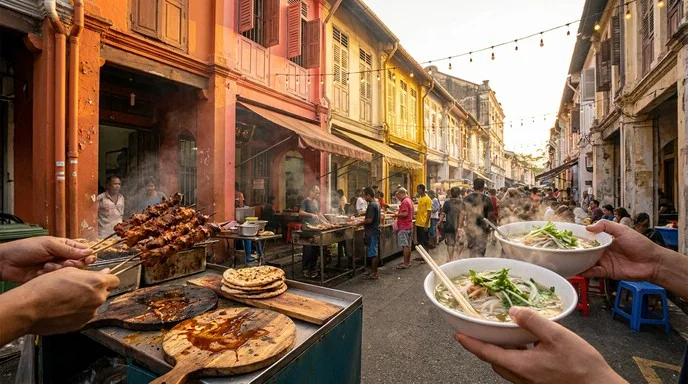
Food serves as a profound reflection of culture, and for many senior travelers, enjoying local cuisine is central to creating unforgettable memories during their journeys. To enhance your dining experiences and avoid the common tourist traps, here are some tips to help you discover authentic local flavors wherever you go.
Eatwith: Dine in a Local’s Home
Eatwith stands out as a unique dining platform that connects travelers with local hosts, including home cooks, professional chefs, and passionate food enthusiasts. These hosts offer dining experiences in their homes or private spaces, creating an intimate atmosphere. The format varies widely; some experiences are cozy dinner parties accommodating 6–8 guests, while others involve cooking classes where participants prepare and enjoy traditional meals together.
This option is particularly well-suited for seniors, as the pace is relaxed, portion sizes are generous, and dietary needs can be accommodated in advance. More importantly, you’ll leave with genuine connections to the locals rather than just a checklist of tourist attractions.
Eatwith operates in over 130 cities worldwide, with a strong presence in Italy, France, Spain, Israel, Japan, and the U.S.
KKday Cooking Classes
KKday provides professionally organized cooking classes across Asia and Europe. Whether it’s Thai cooking in Chiang Mai, pasta-making in Bologna, or sushi rolling in Tokyo, these structured classes are designed with seniors in mind. They typically include market tours and culminate in a meal that you’ve prepared yourself, making for a memorable and educational experience.
Finding Great Local Restaurants (Without Getting Tourist-Trapped)
- ✅ Eat at lunch, not dinner: In Europe, local restaurants often serve their best dishes during lunch at a fraction of the dinner prices. Look for “menú del día” in Spain or “menu du jour” in France, which typically offer three courses with wine for €12–18.
- ✅ Look for where locals eat: If the menu is only in English, it’s likely a tourist spot. Seek out menus in the local language that feature handwritten daily specials.
- ✅ Ask your hotel concierge for a neighborhood recommendation: Specifically inquire about where local families dine, steering clear of tourist hotspots.
- ✅ Use Google Maps in “Nearby” mode: This feature helps you find restaurants with high local review counts rather than just tourist feedback.
- ✅ Arrive early for dinner: In many European countries, restaurants fill up around 8–9 PM. Seniors arriving at 6:30–7 PM often enjoy better service and quieter tables.
Dietary Needs While Traveling
- Translation cards: Download a food allergy translation card for your destination language at AllergyEats or similar resources to show restaurant staff.
- Communicate through your hotel: Have the concierge call ahead to confirm that a restaurant can accommodate your dietary needs, which is often more effective than trying to explain at the table.
- Eatwith hosts: When booking through Eatwith, message the host directly to discuss any dietary restrictions—they are usually very accommodating.
Drinking Water Safety
- In Western Europe, the UK, Australia, Japan, Canada, and Scandinavia—tap water is safe to drink.
- In most of Asia, Latin America, Africa, and Eastern Europe—opt for bottled water and avoid brushing your teeth with tap water.
- When in doubt, ask your hotel front desk for guidance.
Related Articles: Ultimate Senior Travel Checklist | Best Tours & Activities Platforms | International Travel Checklist
Disclosure: This article contains affiliate links. We may earn a commission when you sign up through our links, at no extra cost to you.
Food serves as a profound reflection of culture, and for many senior travelers, enjoying local cuisine is central to creating unforgettable memories during their journeys. To enhance your dining experiences and avoid the common tourist traps, here are some tips to help you discover authentic local flavors wherever you go.
Eatwith: Dine in a Local’s Home
Eatwith stands out as a unique dining platform that connects travelers with local hosts, including home cooks, professional chefs, and passionate food enthusiasts. These hosts offer dining experiences in their homes or private spaces, creating an intimate atmosphere. The format varies widely; some experiences are cozy dinner parties accommodating 6–8 guests, while others involve cooking classes where participants prepare and enjoy traditional meals together.
This option is particularly well-suited for seniors, as the pace is relaxed, portion sizes are generous, and dietary needs can be accommodated in advance. More importantly, you’ll leave with genuine connections to the locals rather than just a checklist of tourist attractions.
Eatwith operates in over 130 cities worldwide, with a strong presence in Italy, France, Spain, Israel, Japan, and the U.S.
KKday Cooking Classes
KKday provides professionally organized cooking classes across Asia and Europe. Whether it’s Thai cooking in Chiang Mai, pasta-making in Bologna, or sushi rolling in Tokyo, these structured classes are designed with seniors in mind. They typically include market tours and culminate in a meal that you’ve prepared yourself, making for a memorable and educational experience.
Finding Great Local Restaurants (Without Getting Tourist-Trapped)
- ✅ Eat at lunch, not dinner: In Europe, local restaurants often serve their best dishes during lunch at a fraction of the dinner prices. Look for “menú del día” in Spain or “menu du jour” in France, which typically offer three courses with wine for €12–18.
- ✅ Look for where locals eat: If the menu is only in English, it’s likely a tourist spot. Seek out menus in the local language that feature handwritten daily specials.
- ✅ Ask your hotel concierge for a neighborhood recommendation: Specifically inquire about where local families dine, steering clear of tourist hotspots.
- ✅ Use Google Maps in “Nearby” mode: This feature helps you find restaurants with high local review counts rather than just tourist feedback.
- ✅ Arrive early for dinner: In many European countries, restaurants fill up around 8–9 PM. Seniors arriving at 6:30–7 PM often enjoy better service and quieter tables.
Dietary Needs While Traveling
- Translation cards: Download a food allergy translation card for your destination language at AllergyEats or similar resources to show restaurant staff.
- Communicate through your hotel: Have the concierge call ahead to confirm that a restaurant can accommodate your dietary needs, which is often more effective than trying to explain at the table.
- Eatwith hosts: When booking through Eatwith, message the host directly to discuss any dietary restrictions—they are usually very accommodating.
Drinking Water Safety
- In Western Europe, the UK, Australia, Japan, Canada, and Scandinavia—tap water is safe to drink.
- In most of Asia, Latin America, Africa, and Eastern Europe—opt for bottled water and avoid brushing your teeth with tap water.
- When in doubt, ask your hotel front desk for guidance.
Related Articles: Ultimate Senior Travel Checklist | Best Tours & Activities Platforms | International Travel Checklist
Disclosure: This article contains affiliate links. We may earn a commission when you sign up through our links, at no extra cost to you.