In 5 Minutes, I’ll Give You The Truth About Nutritional Immune System Boosters

Your body has an army to defend itself against foreign invaders: the immune system. This intricate network protects you from viruses, bacteria, fungi, toxins, and other harmful agents that can jeopardize your health.
To combat these internal threats, your immune system triggers inflammation. This inflammatory response is crucial for overcoming infections and repairing damaged tissues—think of how a bruise heals!
Typically, your body regulates its immune response, releasing just enough inflammation to facilitate healing. However, when the immune system malfunctions, it can either overreact or underreact, leading to potential harm.
An overactive immune system can wreak havoc, resulting in autoimmune diseases and chronic inflammation. Conversely, if it underreacts, harmful pathogens like parasites or cancer cells can invade your body.
Consequences of an Overactive Immune System
One severe consequence is a cytokine storm, an extreme inflammatory response where the immune system attacks its own body. This dangerous reaction has been a significant factor in the mortality of patients with Covid-19, as the immune system aggressively fights the illness.

Allergies: These reactions often manifest as sneezing, stuffy noses, and rashes due to hypersensitivity to certain substances.
Internal autoimmune diseases include Rheumatoid Arthritis, Celiac Disease, Multiple Sclerosis, Hashimoto’s Thyroid Disease, Lupus, and Type 1 Diabetes.
Dietary choices can also influence immune activity. Consuming fried foods, sodas, processed meats, and refined carbohydrates can promote overactivity in the immune system.
On the flip side, an underactive immune system can leave you vulnerable to harmful pathogens. Factors contributing to this include genetic disabilities, poor nutrition, sleep deprivation, chronic stress, overeating, lack of sunlight, and insufficient exercise.
Consequences of an Underactive Immune System
Cancer is a significant risk when the immune response is weak, allowing cancer-causing pathogens to thrive. Examples include:
- Human Papillomavirus (HPV) – cervical cancer
- HIV – Kaposi sarcoma, leukemias
- Hepatitis B & C – liver cancer
- Helicobacter Pylori – stomach cancer
- Epstein Barr virus – nasopharyngeal cancer
Infections from bacteria, mold, parasites, and viruses can also become problematic.
An imbalanced immune system—whether overactive or underactive—can lead to various health issues. Fortunately, there are immune system “modulators” that can help restore balance and optimize function. By making healthy lifestyle choices and consuming natural foods, you can enhance these modulators and support your immune system.
Here is a list of 10 Immune System Modulators:
1. Vitamin D3
Vitamin D3 plays a crucial role in regulating calcium and phosphorus metabolism. It acts as an immunomodulator, targeting various immune cells. Studies indicate that high doses of vitamin D3 can modulate the immune response by negatively regulating the NF-kB signaling pathway.

2. Vitamin C
Vitamin C is a powerful antioxidant and reducing agent. It has been shown to enhance immune function by increasing interferon-γ levels while reducing IL-4, which helps suppress certain immune responses.
3. Zinc
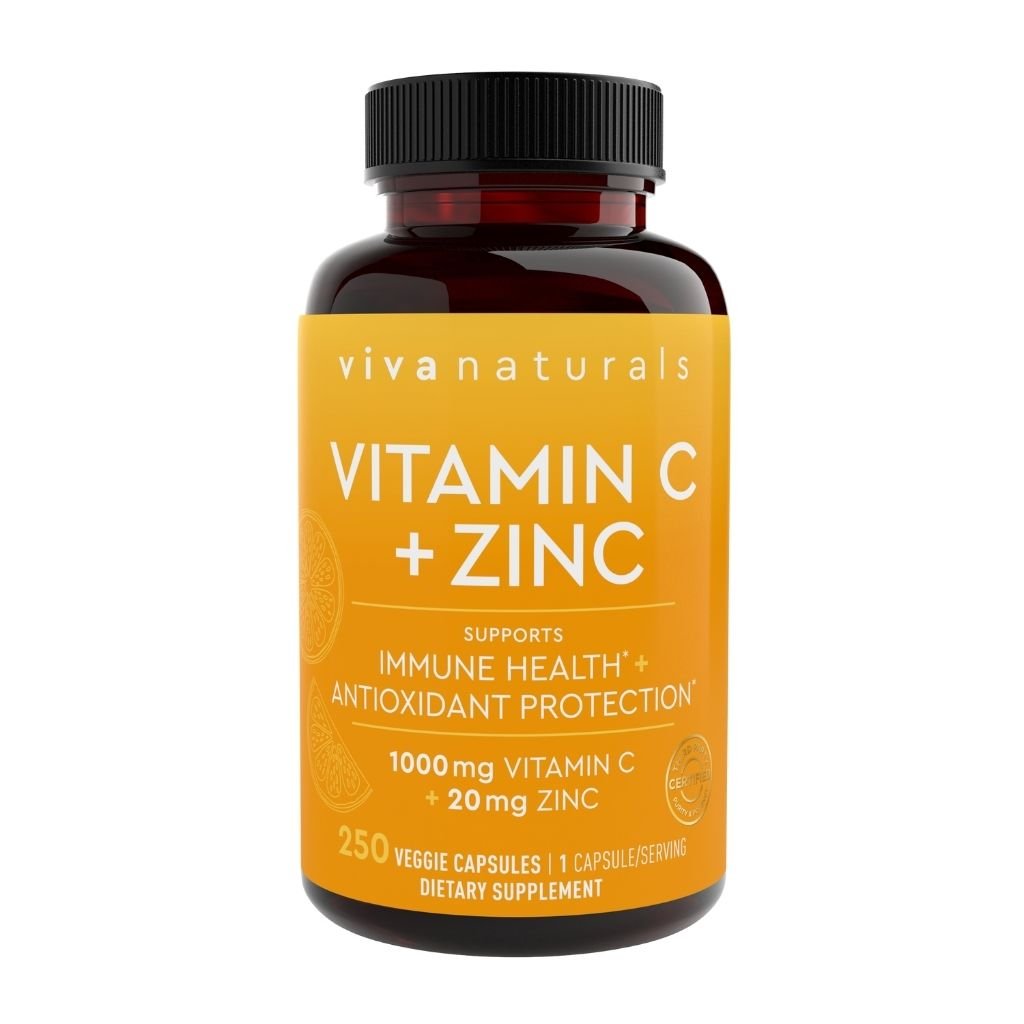
Zinc is vital for cell proliferation and immune function. It acts as a cofactor for enzymes involved in DNA replication and signaling pathways, playing a significant role in innate immunity.
4. Omega 3 Fatty Acids
These fatty acids are crucial for lipid signaling pathways and have been shown to combat autoimmune and inflammatory diseases. Research indicates that omega-3 fatty acids can suppress inflammatory responses.
5. Turmeric (curcumin)
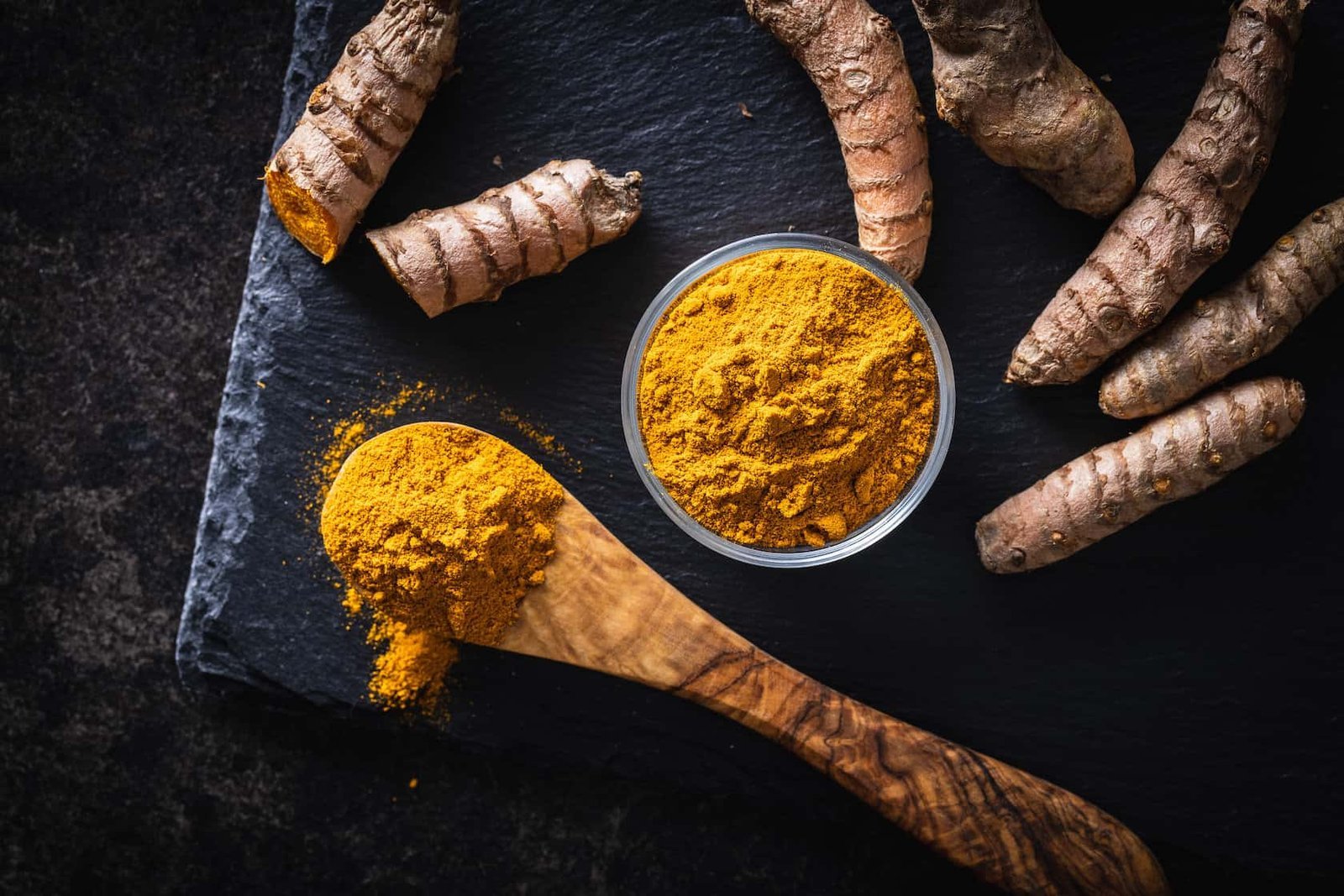
Known for its anti-inflammatory properties, turmeric contains curcuminoids that help prevent inflammatory diseases. Studies show that turmeric extract includes prebiotics and probiotics, promoting gastrointestinal health.
6. Green Leafy Vegetables
These vegetables are packed with compounds that provide numerous health benefits. Regular consumption helps combat nutritional deficiencies and supports a healthy immune system through their antioxidant properties.

7. Green Tea
Green tea is rich in catechins, which modulate biological activities and offer health benefits. Compounds like epigallocatechin gallate (EGCG) have shown effectiveness against cancer and oxidative stress.

8. Allium Vegetables
Allium vegetables, including onions and garlic, are rich in organosulfur compounds that protect against various cancers. Research indicates these compounds possess antimicrobial, anti-inflammatory, and antioxidant properties.

9. Olive Oil
Olive oil is known for its antioxidant and anti-inflammatory effects, which help prevent cardiovascular disease and rheumatoid arthritis. Its beneficial properties stem from compounds like linoleic acid and oleuropein.

10. Berries
Berries are packed with minerals, vitamins, and anthocyanins. Studies suggest that their bioactive compounds play a significant role in combating oxidative stress and improving overall heart health.
The phenolic compounds found in berries also exhibit anti-inflammatory and cell regulatory effects, making them beneficial for heart patients.
Your body has an army to defend itself against foreign invaders: the immune system. This intricate network protects you from viruses, bacteria, fungi, toxins, and other harmful agents that can jeopardize your health.
To combat these internal threats, your immune system triggers inflammation. This inflammatory response is crucial for overcoming infections and repairing damaged tissues—think of how a bruise heals!
Typically, your body regulates its immune response, releasing just enough inflammation to facilitate healing. However, when the immune system malfunctions, it can either overreact or underreact, leading to potential harm.
An overactive immune system can wreak havoc, resulting in autoimmune diseases and chronic inflammation. Conversely, if it underreacts, harmful pathogens like parasites or cancer cells can invade your body.
Consequences of an Overactive Immune System
One severe consequence is a cytokine storm, an extreme inflammatory response where the immune system attacks its own body. This dangerous reaction has been a significant factor in the mortality of patients with Covid-19, as the immune system aggressively fights the illness.
Allergies: These reactions often manifest as sneezing, stuffy noses, and rashes due to hypersensitivity to certain substances.
Internal autoimmune diseases include Rheumatoid Arthritis, Celiac Disease, Multiple Sclerosis, Hashimoto’s Thyroid Disease, Lupus, and Type 1 Diabetes.
Dietary choices can also influence immune activity. Consuming fried foods, sodas, processed meats, and refined carbohydrates can promote overactivity in the immune system.
On the flip side, an underactive immune system can leave you vulnerable to harmful pathogens. Factors contributing to this include genetic disabilities, poor nutrition, sleep deprivation, chronic stress, overeating, lack of sunlight, and insufficient exercise.
Consequences of an Underactive Immune System
Cancer is a significant risk when the immune response is weak, allowing cancer-causing pathogens to thrive. Examples include:
- Human Papillomavirus (HPV) – cervical cancer
- HIV – Kaposi sarcoma, leukemias
- Hepatitis B & C – liver cancer
- Helicobacter Pylori – stomach cancer
- Epstein Barr virus – nasopharyngeal cancer
Infections from bacteria, mold, parasites, and viruses can also become problematic.
An imbalanced immune system—whether overactive or underactive—can lead to various health issues. Fortunately, there are immune system “modulators” that can help restore balance and optimize function. By making healthy lifestyle choices and consuming natural foods, you can enhance these modulators and support your immune system.
Here is a list of 10 Immune System Modulators:
1. Vitamin D3
Vitamin D3 plays a crucial role in regulating calcium and phosphorus metabolism. It acts as an immunomodulator, targeting various immune cells. Studies indicate that high doses of vitamin D3 can modulate the immune response by negatively regulating the NF-kB signaling pathway.
2. Vitamin C
Vitamin C is a powerful antioxidant and reducing agent. It has been shown to enhance immune function by increasing interferon-γ levels while reducing IL-4, which helps suppress certain immune responses.
3. Zinc
Zinc is vital for cell proliferation and immune function. It acts as a cofactor for enzymes involved in DNA replication and signaling pathways, playing a significant role in innate immunity.
4. Omega 3 Fatty Acids
These fatty acids are crucial for lipid signaling pathways and have been shown to combat autoimmune and inflammatory diseases. Research indicates that omega-3 fatty acids can suppress inflammatory responses.
5. Turmeric (curcumin)
Known for its anti-inflammatory properties, turmeric contains curcuminoids that help prevent inflammatory diseases. Studies show that turmeric extract includes prebiotics and probiotics, promoting gastrointestinal health.
6. Green Leafy Vegetables
These vegetables are packed with compounds that provide numerous health benefits. Regular consumption helps combat nutritional deficiencies and supports a healthy immune system through their antioxidant properties.
7. Green Tea
Green tea is rich in catechins, which modulate biological activities and offer health benefits. Compounds like epigallocatechin gallate (EGCG) have shown effectiveness against cancer and oxidative stress.
8. Allium Vegetables
Allium vegetables, including onions and garlic, are rich in organosulfur compounds that protect against various cancers. Research indicates these compounds possess antimicrobial, anti-inflammatory, and antioxidant properties.
9. Olive Oil
Olive oil is known for its antioxidant and anti-inflammatory effects, which help prevent cardiovascular disease and rheumatoid arthritis. Its beneficial properties stem from compounds like linoleic acid and oleuropein.
10. Berries
Berries are packed with minerals, vitamins, and anthocyanins. Studies suggest that their bioactive compounds play a significant role in combating oxidative stress and improving overall heart health.
The phenolic compounds found in berries also exhibit anti-inflammatory and cell regulatory effects, making them beneficial for heart patients.