Alternative Arthritis Therapies Can Help to Manage It Better
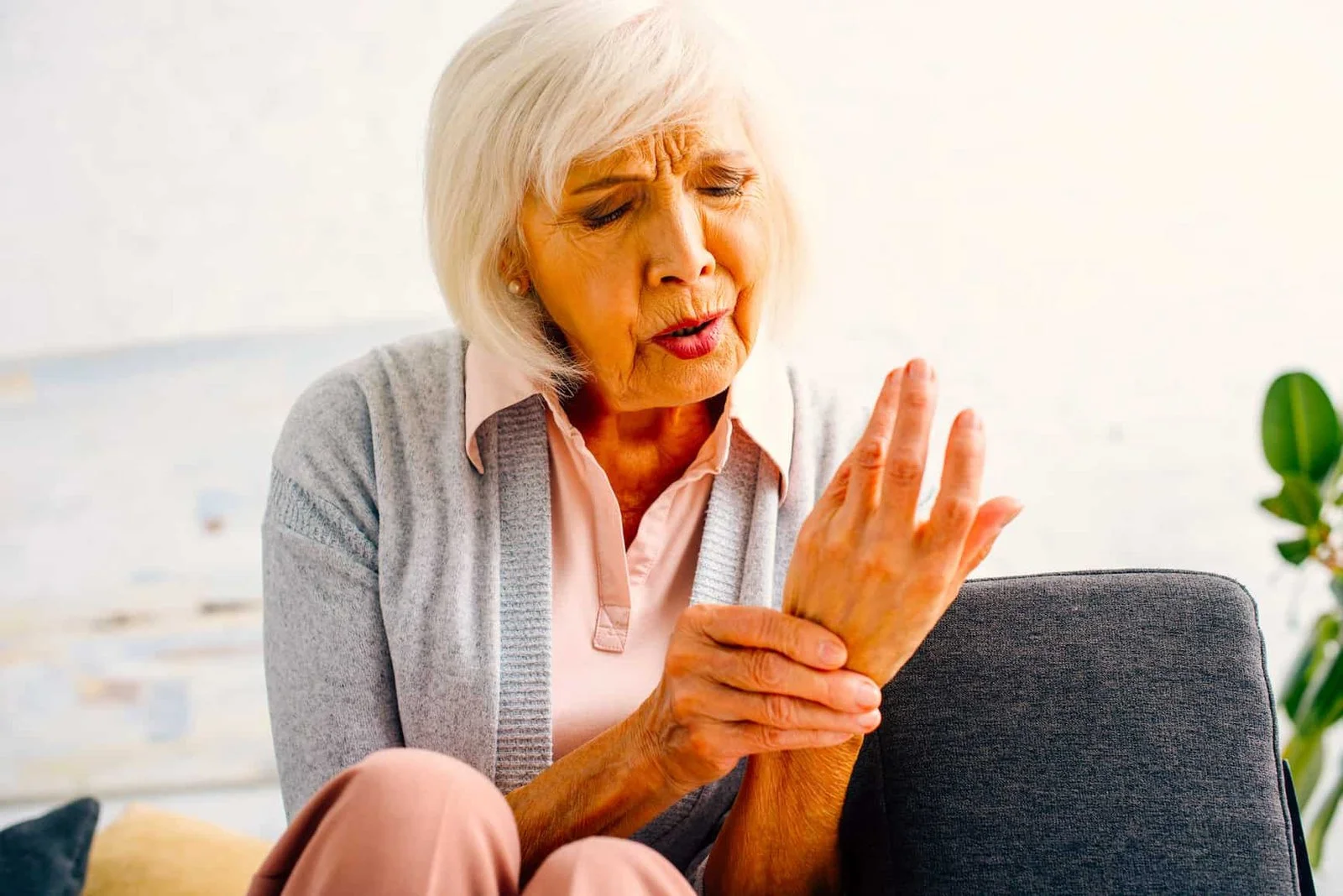
Alternative treatment options have been available for eons, but they’re gaining traction as scientific support for their efficacy grows. For instance, various types of arthritis can be effectively managed with natural therapies, including methods to lower uric acid levels in cases of gout.
These alternative approaches not only address the symptoms of arthritis but also alleviate the accompanying pain. Some methods can enhance your pain management to the extent that you may no longer need medications, which often come with unwanted side effects.
An Ocean of Alternative Freedom
From soothing steam baths to specialized exercise classes designed to reduce inflammation and enhance joint mobility, a therapeutic ocean awaits you. These alternatives can liberate you from arthritis pain, stiffness, and conventional treatments.
Hydrotherapy
Hydrotherapy, often referred to as the water cure, has been used to treat a variety of disorders, including depression, digestive issues, nerve problems, stress, and insomnia. This therapy encompasses steam baths, saunas, contrast therapy, foot baths, and colon cleanses.
Recognized as a valid form of physiotherapy and occupational therapy, hydrotherapy employs varying temperatures to promote health and well-being. This enjoyable therapy has roots dating back to Hippocrates, who documented the use of heated water in ancient Greece, as well as in ancient Egypt and Rome.
A study from the University of Sydney and collaborators in Brazil demonstrated the effectiveness of hydrotherapy in managing osteoarthritis. Participants experienced reduced pain and improved mobility, marking a significant advancement for those suffering from age-related or injury-induced joint issues.
Stretching
According to Harvard Medical School, daily stretching can alleviate arthritis pain and enhance mobility. Limited joint movement can lead to increased immobility, causing surrounding muscles to contract over time and making it harder to stay active. This can ultimately affect your balance and make walking without assistance challenging.
Stretching serves as a low-impact method to combat joint degeneration commonly associated with osteoarthritis and rheumatoid arthritis. You don’t need an extensive routine; simply starting to stretch can help prevent muscle contractions.
Here are three essential rules to remember when stretching:
- Relax your joints before stretching with a hot bath or shower to warm up and avoid straining your muscles.
- Never push through pain; choose a time when your joints are most relaxed.
- Expect some discomfort from stretching, but be cautious of pain.
Massage Therapy
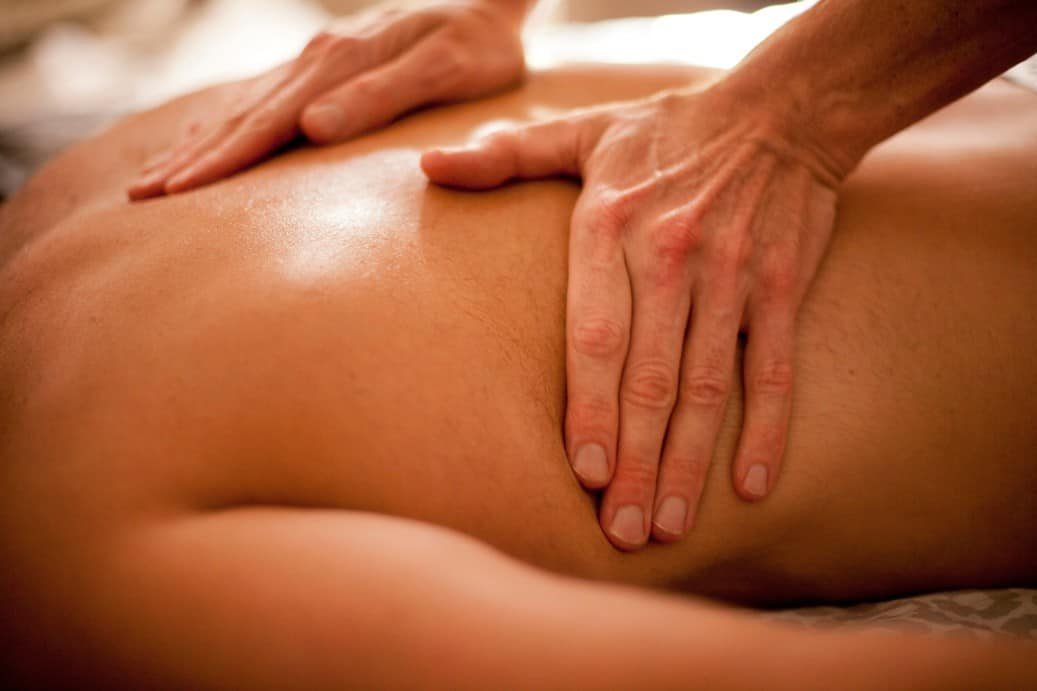
Rheumatoid arthritis often results in decreased mobility and functionality in the hands. This inflammatory disorder, driven by autoimmune dysfunction, can be quite painful.
A study conducted by Humber College in Ontario, Canada, explored the benefits of massage therapy for rheumatoid arthritis in the upper limbs. Participants received a 60-minute rehabilitative massage over five weeks, leading to significant reductions in pain and improved hand function.
Acupuncture
Acupuncture, an ancient Chinese practice, offers another alternative for managing rheumatoid arthritis. This technique involves inserting thin needles into inflamed tissue to relieve pain.
A recent review published in The Hindawi Medical Journal analyzed 43 studies, confirming that acupuncture effectively alleviates pain and inflammation.
Yoga
Yoga promotes the release of elements in the bloodstream that enhance both physical and mental health. This practice can serve as an alternative treatment for rheumatoid arthritis, gout, and osteoarthritis, as it stretches the muscles and increases mobility.
Additionally, yoga fosters mental peace and naturally reduces pain. Improved oxygen saturation allows vital nutrients to reach various organs and joints, further reducing inflammation. Be sure to inform your instructor about your arthritis, and prioritize warm-ups, avoiding practice during painful or stiff episodes. Flow yoga may be particularly beneficial.
Tai Chi
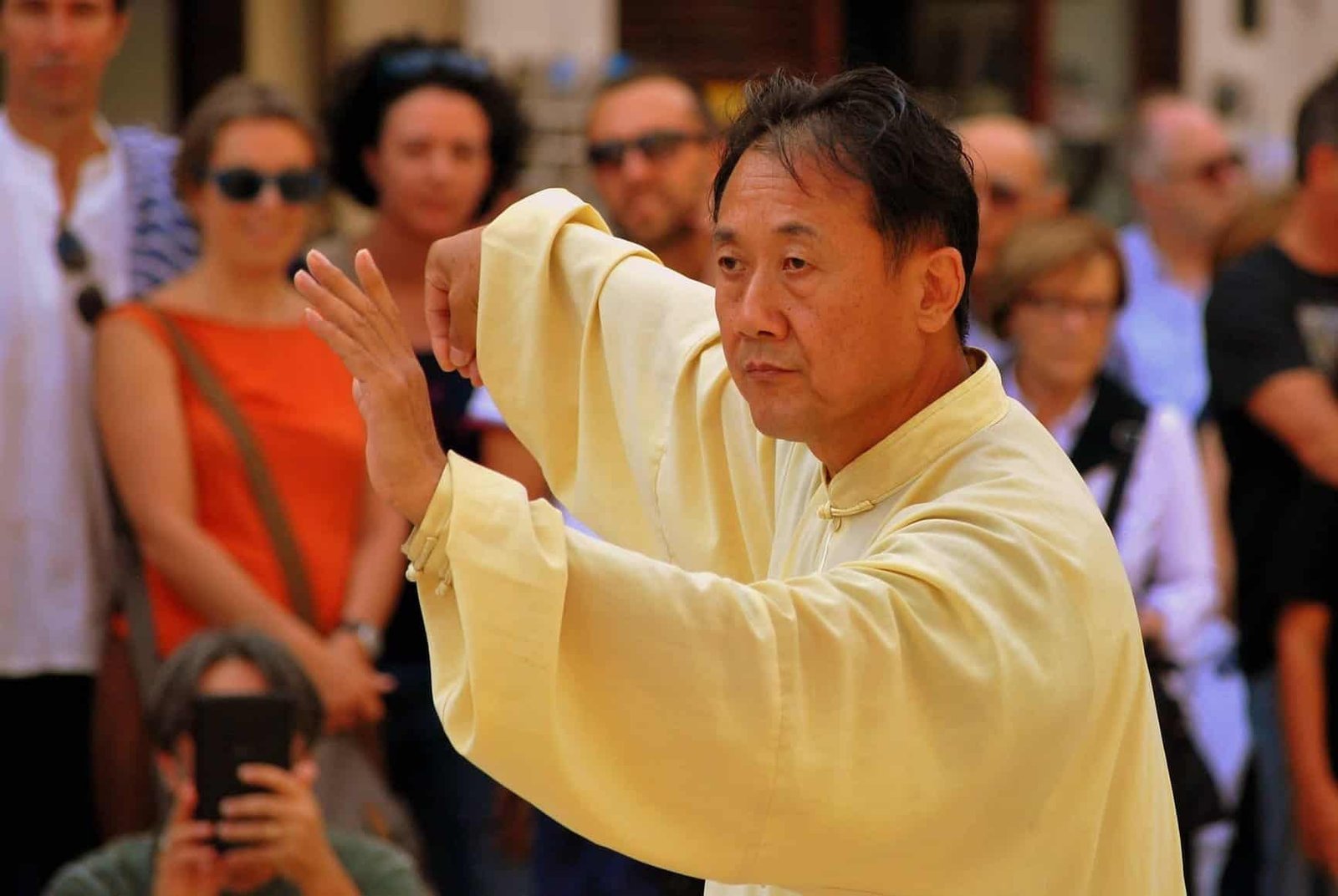
Tai Chi is a gentle form of martial arts that employs low-impact movements to enhance breathing and relaxation. This practice is particularly effective for rheumatoid arthritis, improving mobility and pain management.
Alternative treatment options have been available for eons, but they’re gaining traction as scientific support for their efficacy grows. For instance, various types of arthritis can be effectively managed with natural therapies, including methods to lower uric acid levels in cases of gout.
These alternative approaches not only address the symptoms of arthritis but also alleviate the accompanying pain. Some methods can enhance your pain management to the extent that you may no longer need medications, which often come with unwanted side effects.
An Ocean of Alternative Freedom
From soothing steam baths to specialized exercise classes designed to reduce inflammation and enhance joint mobility, a therapeutic ocean awaits you. These alternatives can liberate you from arthritis pain, stiffness, and conventional treatments.
Hydrotherapy
Hydrotherapy, often referred to as the water cure, has been used to treat a variety of disorders, including depression, digestive issues, nerve problems, stress, and insomnia. This therapy encompasses steam baths, saunas, contrast therapy, foot baths, and colon cleanses.
Recognized as a valid form of physiotherapy and occupational therapy, hydrotherapy employs varying temperatures to promote health and well-being. This enjoyable therapy has roots dating back to Hippocrates, who documented the use of heated water in ancient Greece, as well as in ancient Egypt and Rome.
A study from the University of Sydney and collaborators in Brazil demonstrated the effectiveness of hydrotherapy in managing osteoarthritis. Participants experienced reduced pain and improved mobility, marking a significant advancement for those suffering from age-related or injury-induced joint issues.
Stretching
According to Harvard Medical School, daily stretching can alleviate arthritis pain and enhance mobility. Limited joint movement can lead to increased immobility, causing surrounding muscles to contract over time and making it harder to stay active. This can ultimately affect your balance and make walking without assistance challenging.
Stretching serves as a low-impact method to combat joint degeneration commonly associated with osteoarthritis and rheumatoid arthritis. You don’t need an extensive routine; simply starting to stretch can help prevent muscle contractions.
Here are three essential rules to remember when stretching:
- Relax your joints before stretching with a hot bath or shower to warm up and avoid straining your muscles.
- Never push through pain; choose a time when your joints are most relaxed.
- Expect some discomfort from stretching, but be cautious of pain.
Massage Therapy
Rheumatoid arthritis often results in decreased mobility and functionality in the hands. This inflammatory disorder, driven by autoimmune dysfunction, can be quite painful.
A study conducted by Humber College in Ontario, Canada, explored the benefits of massage therapy for rheumatoid arthritis in the upper limbs. Participants received a 60-minute rehabilitative massage over five weeks, leading to significant reductions in pain and improved hand function.
Acupuncture
Acupuncture, an ancient Chinese practice, offers another alternative for managing rheumatoid arthritis. This technique involves inserting thin needles into inflamed tissue to relieve pain.
A recent review published in The Hindawi Medical Journal analyzed 43 studies, confirming that acupuncture effectively alleviates pain and inflammation.
Yoga
Yoga promotes the release of elements in the bloodstream that enhance both physical and mental health. This practice can serve as an alternative treatment for rheumatoid arthritis, gout, and osteoarthritis, as it stretches the muscles and increases mobility.
Additionally, yoga fosters mental peace and naturally reduces pain. Improved oxygen saturation allows vital nutrients to reach various organs and joints, further reducing inflammation. Be sure to inform your instructor about your arthritis, and prioritize warm-ups, avoiding practice during painful or stiff episodes. Flow yoga may be particularly beneficial.
Tai Chi
Tai Chi is a gentle form of martial arts that employs low-impact movements to enhance breathing and relaxation. This practice is particularly effective for rheumatoid arthritis, improving mobility and pain management.