How Your Endocannabinoid System Can Help Inflammation

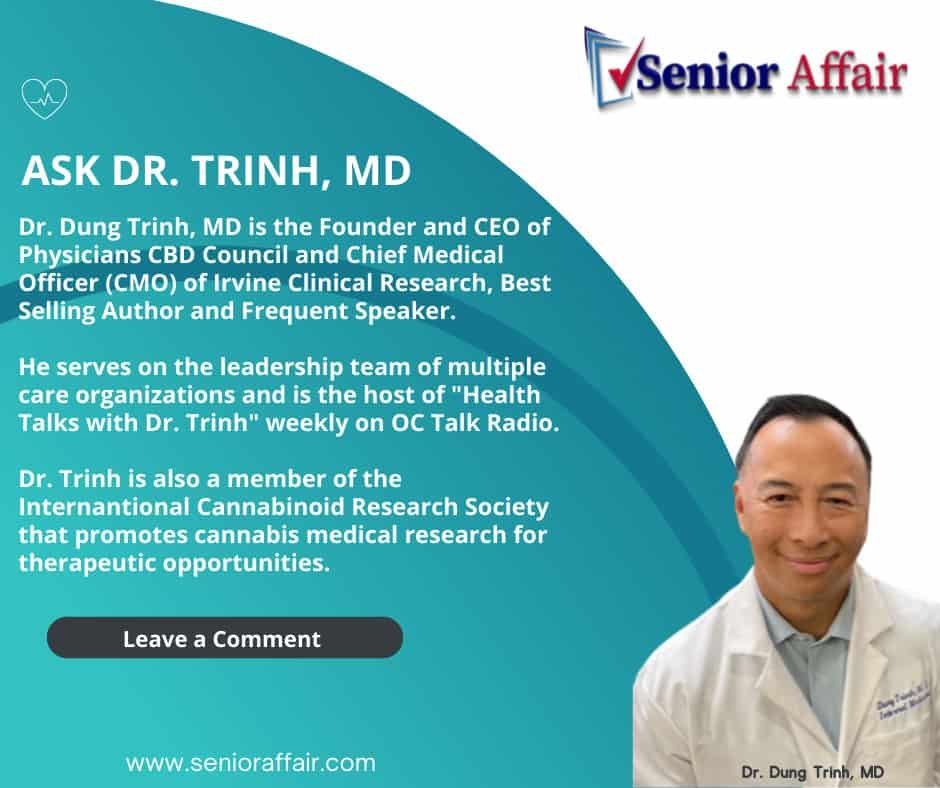
Dr. Dung Trinh serves as the Chief Medical Officer of Astiva Health, is a board member of Alzheimer’s Orange County, and is the founder of the Physicians Cannabinoid Council.
Dr. Trinh, Is Inflammation – Good or Bad?
Dr. Trinh sheds light on the nature of inflammation and its dual role in our health. He explains, “Inflammation is akin to a fever; when you have a cold or an injury, your immune system dispatches ‘soldiers’ to defend your body and promote healing in that area. This response results in redness, swelling, and heat, which is a normal and healthy reaction. However, consider the scenario of having a fever every day for a month; that would raise concerns.” Chronic inflammation, he warns, is like “going to war and experiencing friendly fire.” The takeaway is clear: chronic inflammation is harmful.
Chronic Inflammation as a Cause of Disease
One prevalent example of chronic inflammation is heart disease. When diagnosed with heart disease, many immediately think of clogged arteries due to cholesterol and plaque buildup. Dr. Trinh poses a critical question: “But why does the cholesterol get stuck to your artery?” The answer lies in the damage to the artery lining, which becomes sticky due to chronic inflammation.
Dr. Trinh elaborates that this arterial damage is a direct result of chronic inflammation. He emphasizes that inflammation is the underlying cause of various chronic diseases affecting multiple parts of the body, including arthritis in the joints, encephalitis in the lungs, and neurological issues such as Alzheimer’s and Parkinson’s.
What Can We Do About Inflammation?
To combat inflammation, it’s essential to recognize that our lifestyles play a significant role. By adopting proper nutrition and managing stress, you can effectively reduce inflammation in your body. Incorporate more anti-inflammatory foods into your diet, such as fish oil, turmeric, garlic, and cinnamon. Conversely, it’s wise to avoid pro-inflammatory foods like sugar, fried items, red meats, and fast food.
Stress hormones, particularly cortisol, also contribute to inflammation. Research indicates that practices like yoga and meditation can lower the risk of Alzheimer’s by alleviating stress and reducing inflammation.
What About Cannabis?
Another effective method for reducing inflammation is through cannabis. Cannabis activates the endocannabinoid system, a regulatory network in the body similar to the nervous or endocrine systems. The primary role of the endocannabinoid system is to maintain balance, a state Dr. Trinh refers to scientifically as “homeostasis.” By stimulating this system, cannabis can help reduce inflammation and restore balance, as inflammation represents a state of imbalance within the body.
Dr. Dung Trinh has extensive experience with patients who come to him seeking relief through cannabidiol products. Many report taking fewer prescription pain medications, enjoying better sleep, experiencing reduced anxiety, and finding relief from conditions like PTSD and multiple sclerosis. Inspired by their positive experiences, Dr. Trinh sought further research to understand these effects, leading him to become an advocate for cannabis and its potential benefits in managing inflammation.
Conclusion
Dr. Trinh emphasizes that while more research is needed on the effects of cannabis and inflammation in relation to specific chronic diseases, the implications could be significant. However, he strongly advises consulting a doctor before self-medicating with CBD or other cannabinoid products to understand potential interactions with current medications. While CBD alone has minimal side effects, it’s crucial to ensure that it doesn’t interfere with other essential treatments.
Dr. Dung Trinh serves as the Chief Medical Officer of Astiva Health, is a board member of Alzheimer’s Orange County, and is the founder of the Physicians Cannabinoid Council.
Dr. Trinh, Is Inflammation – Good or Bad?
Dr. Trinh sheds light on the nature of inflammation and its dual role in our health. He explains, “Inflammation is akin to a fever; when you have a cold or an injury, your immune system dispatches ‘soldiers’ to defend your body and promote healing in that area. This response results in redness, swelling, and heat, which is a normal and healthy reaction. However, consider the scenario of having a fever every day for a month; that would raise concerns.” Chronic inflammation, he warns, is like “going to war and experiencing friendly fire.” The takeaway is clear: chronic inflammation is harmful.
Chronic Inflammation as a Cause of Disease
One prevalent example of chronic inflammation is heart disease. When diagnosed with heart disease, many immediately think of clogged arteries due to cholesterol and plaque buildup. Dr. Trinh poses a critical question: “But why does the cholesterol get stuck to your artery?” The answer lies in the damage to the artery lining, which becomes sticky due to chronic inflammation.
Dr. Trinh elaborates that this arterial damage is a direct result of chronic inflammation. He emphasizes that inflammation is the underlying cause of various chronic diseases affecting multiple parts of the body, including arthritis in the joints, encephalitis in the lungs, and neurological issues such as Alzheimer’s and Parkinson’s.
What Can We Do About Inflammation?
To combat inflammation, it’s essential to recognize that our lifestyles play a significant role. By adopting proper nutrition and managing stress, you can effectively reduce inflammation in your body. Incorporate more anti-inflammatory foods into your diet, such as fish oil, turmeric, garlic, and cinnamon. Conversely, it’s wise to avoid pro-inflammatory foods like sugar, fried items, red meats, and fast food.
Stress hormones, particularly cortisol, also contribute to inflammation. Research indicates that practices like yoga and meditation can lower the risk of Alzheimer’s by alleviating stress and reducing inflammation.
What About Cannabis?
Another effective method for reducing inflammation is through cannabis. Cannabis activates the endocannabinoid system, a regulatory network in the body similar to the nervous or endocrine systems. The primary role of the endocannabinoid system is to maintain balance, a state Dr. Trinh refers to scientifically as “homeostasis.” By stimulating this system, cannabis can help reduce inflammation and restore balance, as inflammation represents a state of imbalance within the body.
Dr. Dung Trinh has extensive experience with patients who come to him seeking relief through cannabidiol products. Many report taking fewer prescription pain medications, enjoying better sleep, experiencing reduced anxiety, and finding relief from conditions like PTSD and multiple sclerosis. Inspired by their positive experiences, Dr. Trinh sought further research to understand these effects, leading him to become an advocate for cannabis and its potential benefits in managing inflammation.
Conclusion
Dr. Trinh emphasizes that while more research is needed on the effects of cannabis and inflammation in relation to specific chronic diseases, the implications could be significant. However, he strongly advises consulting a doctor before self-medicating with CBD or other cannabinoid products to understand potential interactions with current medications. While CBD alone has minimal side effects, it’s crucial to ensure that it doesn’t interfere with other essential treatments.