How to Recognize High Blood Pressure and Its Symptoms
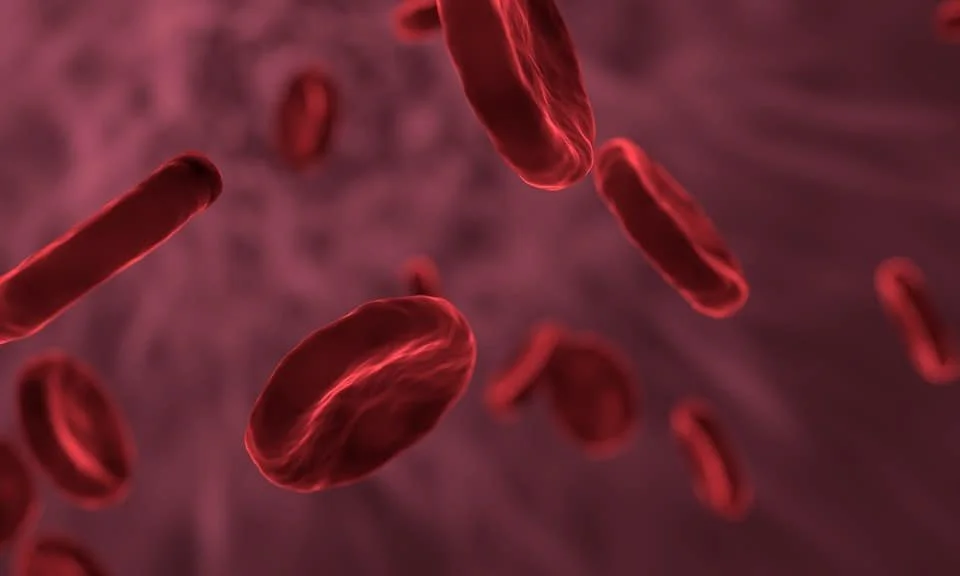
High blood pressure, often referred to as hypertension, is frequently labeled a silent or invisible condition due to its mild symptoms. However, this perception can be misleading.
Just because you may not experience noticeable symptoms doesn’t mean that high blood pressure isn’t wreaking havoc on your health. In fact, the damage can be extensive, particularly if you remain unaware of your condition for too long.
Recognizing the common symptoms of high blood pressure can empower you to take action sooner, allowing for timely treatment and better health outcomes.
What Is High Blood Pressure?
High blood pressure, or hypertension, is a condition that typically leads to damaged or blocked arteries, impairing the efficient circulation of blood throughout your body. Elevated blood pressure places additional strain on your arteries and heart.
The dangers of high blood pressure lie in its ability to restrict blood and oxygen supply to various body parts. This can put significant stress on your body and may lead to organ failure if not properly managed, although most cases of hypertension do not progress to this severe stage.
Understanding Blood Pressure
Blood pressure measures the force exerted by your blood against the walls of your veins and arteries, expressed as one number over another.
You may have heard your doctor mention your blood pressure in this format, but its significance might not be entirely clear.
The first number indicates your systolic blood pressure, which measures the pressure in your arteries when your heart contracts and pumps blood. The second number represents your diastolic blood pressure, which gauges the pressure in your arteries when your heart is at rest between beats.
Both numbers being elevated can signal a problem, but it’s essential to monitor your average blood pressure over time before considering treatment options.
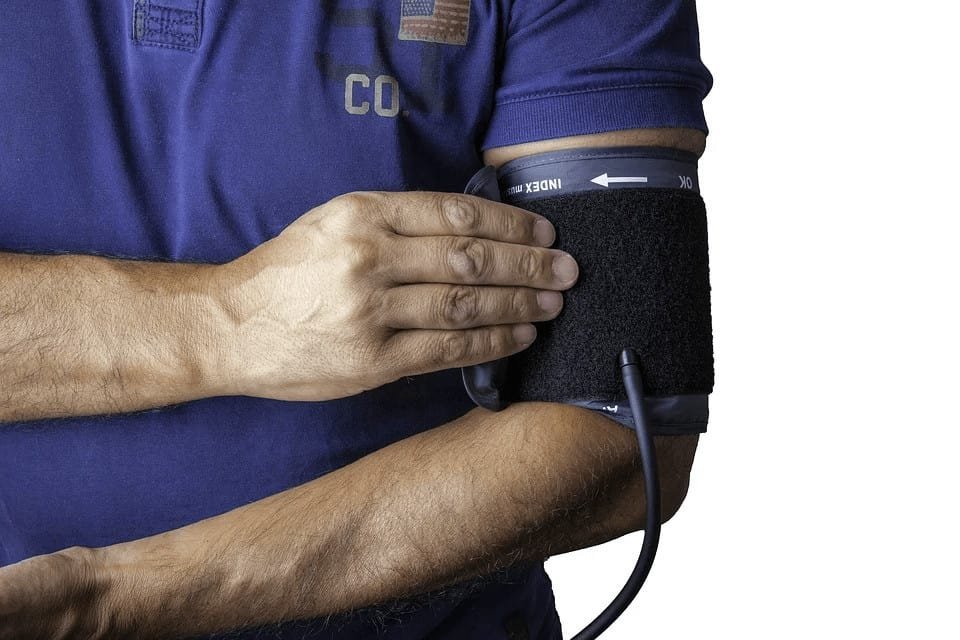
Healthy Blood Pressure Measurements
If your blood pressure readings fall outside the healthy range, further investigation is necessary. A normal systolic reading is around 120 mm Hg, while diastolic pressure typically hovers around 80 mm Hg.
Blood pressure is generally considered elevated if it exceeds 140 systolic and 90 diastolic. If your readings reach 180 systolic or 120 diastolic, seek medical attention immediately.
The most effective way to determine if you have high blood pressure is through testing. You can either purchase a home monitor or schedule an annual physical with your healthcare provider.
Symptoms of High Blood Pressure
While symptoms may not always be present, it’s crucial to be vigilant when they do occur. Watch for the following signs:
- Fatigue
- Confusion
- Frequent or severe headaches
- Dizziness
- Nausea
- Rapid heartbeat
- Nosebleeds
- Chest pain
- Vision problems
- Blood in urine
Many of these symptoms are nonspecific and could indicate various conditions. Therefore, it’s vital to have your blood pressure checked to understand the underlying cause of these issues.
High Blood Pressure Treatment for Invisible Symptoms
Many individuals remain unaware of their high blood pressure because symptoms can be subtle and easily overlooked. While they may not disrupt daily activities, the underlying hypertension can still inflict significant damage.
By the time symptoms become apparent, considerable harm may have already occurred due to prolonged high blood pressure. Therefore, it’s essential to take proactive steps to normalize your blood pressure as soon as possible.
Routine physicals typically include blood pressure checks. If your doctor expresses concern, take it seriously. Simple lifestyle changes, such as improved diet and increased physical activity, can significantly reduce hypertension.
Regular check-ups are crucial in minimizing the risk of damage from uncontrolled high blood pressure. The sooner you adopt healthier habits, the sooner you’ll notice improvements in your blood pressure and overall well-being.
Ultimately, the only way to receive appropriate treatment for high blood pressure is by consulting your healthcare provider. Take an active role in identifying whether this condition affects you.
High blood pressure, often referred to as hypertension, is frequently labeled a silent or invisible condition due to its mild symptoms. However, this perception can be misleading.
Just because you may not experience noticeable symptoms doesn’t mean that high blood pressure isn’t wreaking havoc on your health. In fact, the damage can be extensive, particularly if you remain unaware of your condition for too long.
Recognizing the common symptoms of high blood pressure can empower you to take action sooner, allowing for timely treatment and better health outcomes.
What Is High Blood Pressure?
High blood pressure, or hypertension, is a condition that typically leads to damaged or blocked arteries, impairing the efficient circulation of blood throughout your body. Elevated blood pressure places additional strain on your arteries and heart.
The dangers of high blood pressure lie in its ability to restrict blood and oxygen supply to various body parts. This can put significant stress on your body and may lead to organ failure if not properly managed, although most cases of hypertension do not progress to this severe stage.
Understanding Blood Pressure
Blood pressure measures the force exerted by your blood against the walls of your veins and arteries, expressed as one number over another.
You may have heard your doctor mention your blood pressure in this format, but its significance might not be entirely clear.
The first number indicates your systolic blood pressure, which measures the pressure in your arteries when your heart contracts and pumps blood. The second number represents your diastolic blood pressure, which gauges the pressure in your arteries when your heart is at rest between beats.
Both numbers being elevated can signal a problem, but it’s essential to monitor your average blood pressure over time before considering treatment options.
Healthy Blood Pressure Measurements
If your blood pressure readings fall outside the healthy range, further investigation is necessary. A normal systolic reading is around 120 mm Hg, while diastolic pressure typically hovers around 80 mm Hg.
Blood pressure is generally considered elevated if it exceeds 140 systolic and 90 diastolic. If your readings reach 180 systolic or 120 diastolic, seek medical attention immediately.
The most effective way to determine if you have high blood pressure is through testing. You can either purchase a home monitor or schedule an annual physical with your healthcare provider.
Symptoms of High Blood Pressure
While symptoms may not always be present, it’s crucial to be vigilant when they do occur. Watch for the following signs:
- Fatigue
- Confusion
- Frequent or severe headaches
- Dizziness
- Nausea
- Rapid heartbeat
- Nosebleeds
- Chest pain
- Vision problems
- Blood in urine
Many of these symptoms are nonspecific and could indicate various conditions. Therefore, it’s vital to have your blood pressure checked to understand the underlying cause of these issues.
High Blood Pressure Treatment for Invisible Symptoms
Many individuals remain unaware of their high blood pressure because symptoms can be subtle and easily overlooked. While they may not disrupt daily activities, the underlying hypertension can still inflict significant damage.
By the time symptoms become apparent, considerable harm may have already occurred due to prolonged high blood pressure. Therefore, it’s essential to take proactive steps to normalize your blood pressure as soon as possible.
Routine physicals typically include blood pressure checks. If your doctor expresses concern, take it seriously. Simple lifestyle changes, such as improved diet and increased physical activity, can significantly reduce hypertension.
Regular check-ups are crucial in minimizing the risk of damage from uncontrolled high blood pressure. The sooner you adopt healthier habits, the sooner you’ll notice improvements in your blood pressure and overall well-being.
Ultimately, the only way to receive appropriate treatment for high blood pressure is by consulting your healthcare provider. Take an active role in identifying whether this condition affects you.