Does CBD Help With Osteoporosis-Related Pain? What Seniors Need to Know
Introduction
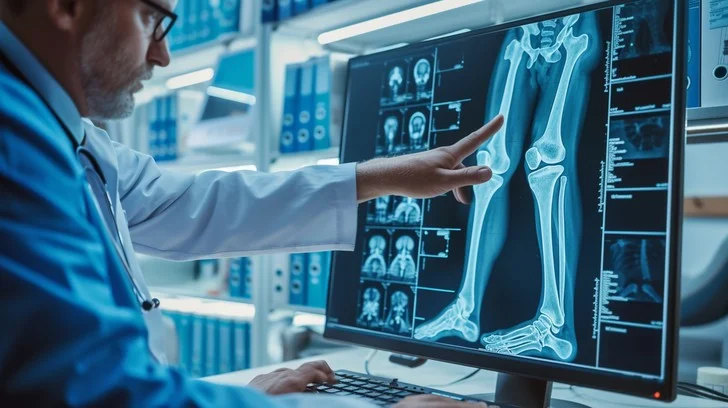
Osteoporosis is a condition that impacts over 10 million Americans, predominantly affecting women over the age of 60. This disease leads to bones becoming brittle and porous, significantly heightening the risk of fractures, especially in the hip, spine, and wrist. Such fractures can result in severe pain, restricted mobility, and potentially life-altering consequences for older adults.
Recently, CBD has garnered attention not only for its pain-relieving properties but also for emerging research indicating its potential role in bone metabolism. This suggests that CBD may help slow bone loss and aid in fracture healing. Here’s what we currently understand about this intriguing connection.
The pain associated with osteoporosis arises from various sources, including vertebral compression fractures, inflammation linked to fracture healing, and muscle tension that develops as the body compensates for skeletal instability. CBD’s anti-inflammatory and analgesic properties may effectively address these pain sources:
- Compression fracture pain: CBD’s analgesic effects and anti-inflammatory action can alleviate the pain associated with vertebral fractures, potentially reducing the need for opioid pain medications, which can increase the risk of falls.
- Muscle tension pain: CBD may assist in relaxing the paraspinal muscles that tighten in response to spinal fractures, thus alleviating a secondary but significant source of discomfort.
- Post-fracture inflammation: The inflammatory response following a fracture can lead to considerable pain. CBD’s anti-inflammatory properties may provide a safer alternative to NSAIDs, which pose particular risks for elderly patients after trauma.
CBD and Bone Health: The Emerging Research
Beyond its role in pain management, animal studies have indicated that CBD may influence bone metabolism directly. Research published in the Journal of Bone and Mineral Research revealed that CBD enhanced the healing of mid-femoral fractures in rats, with treated fractures exhibiting significantly stronger bone structure eight weeks post-injury.
The underlying mechanism appears to involve CBD’s interaction with CB2 receptors found on osteoblasts (the cells responsible for bone formation) and osteoclasts (the cells that break down bone). This interaction may shift the balance toward increased bone formation while slowing down the resorption process that contributes to osteoporosis.
It is crucial to note that these findings are preclinical, and human trials specifically investigating CBD for osteoporosis remain limited. Seniors should not substitute their prescribed osteoporosis medications, such as bisphosphonates or denosumab, with CBD. However, CBD may serve as a valuable complementary approach for pain management and potentially support bone health alongside standard treatments.
Practical Recommendations
For seniors experiencing pain related to osteoporosis, a combined approach may be beneficial: consider using a daily CBD tincture (such as CBDPure or Batch CBD) for systemic anti-inflammatory and analgesic support, along with a topical CBD cream applied to specific painful areas. It’s essential to continue taking your prescribed osteoporosis medications and engage in weight-bearing exercises as tolerated, as these remain the most evidence-supported interventions for preserving bone density.
Always inform your healthcare provider about your use of CBD and inquire specifically about any potential interactions with bisphosphonates or calcium supplements in your treatment regimen.
Introduction
Osteoporosis is a condition that impacts over 10 million Americans, predominantly affecting women over the age of 60. This disease leads to bones becoming brittle and porous, significantly heightening the risk of fractures, especially in the hip, spine, and wrist. Such fractures can result in severe pain, restricted mobility, and potentially life-altering consequences for older adults.
Recently, CBD has garnered attention not only for its pain-relieving properties but also for emerging research indicating its potential role in bone metabolism. This suggests that CBD may help slow bone loss and aid in fracture healing. Here’s what we currently understand about this intriguing connection.
The pain associated with osteoporosis arises from various sources, including vertebral compression fractures, inflammation linked to fracture healing, and muscle tension that develops as the body compensates for skeletal instability. CBD’s anti-inflammatory and analgesic properties may effectively address these pain sources:
- Compression fracture pain: CBD’s analgesic effects and anti-inflammatory action can alleviate the pain associated with vertebral fractures, potentially reducing the need for opioid pain medications, which can increase the risk of falls.
- Muscle tension pain: CBD may assist in relaxing the paraspinal muscles that tighten in response to spinal fractures, thus alleviating a secondary but significant source of discomfort.
- Post-fracture inflammation: The inflammatory response following a fracture can lead to considerable pain. CBD’s anti-inflammatory properties may provide a safer alternative to NSAIDs, which pose particular risks for elderly patients after trauma.
CBD and Bone Health: The Emerging Research
Beyond its role in pain management, animal studies have indicated that CBD may influence bone metabolism directly. Research published in the Journal of Bone and Mineral Research revealed that CBD enhanced the healing of mid-femoral fractures in rats, with treated fractures exhibiting significantly stronger bone structure eight weeks post-injury.
The underlying mechanism appears to involve CBD’s interaction with CB2 receptors found on osteoblasts (the cells responsible for bone formation) and osteoclasts (the cells that break down bone). This interaction may shift the balance toward increased bone formation while slowing down the resorption process that contributes to osteoporosis.
It is crucial to note that these findings are preclinical, and human trials specifically investigating CBD for osteoporosis remain limited. Seniors should not substitute their prescribed osteoporosis medications, such as bisphosphonates or denosumab, with CBD. However, CBD may serve as a valuable complementary approach for pain management and potentially support bone health alongside standard treatments.
Practical Recommendations
For seniors experiencing pain related to osteoporosis, a combined approach may be beneficial: consider using a daily CBD tincture (such as CBDPure or Batch CBD) for systemic anti-inflammatory and analgesic support, along with a topical CBD cream applied to specific painful areas. It’s essential to continue taking your prescribed osteoporosis medications and engage in weight-bearing exercises as tolerated, as these remain the most evidence-supported interventions for preserving bone density.
Always inform your healthcare provider about your use of CBD and inquire specifically about any potential interactions with bisphosphonates or calcium supplements in your treatment regimen.