CBD for Anxiety: What Seniors Need to Know (2026 Guide)
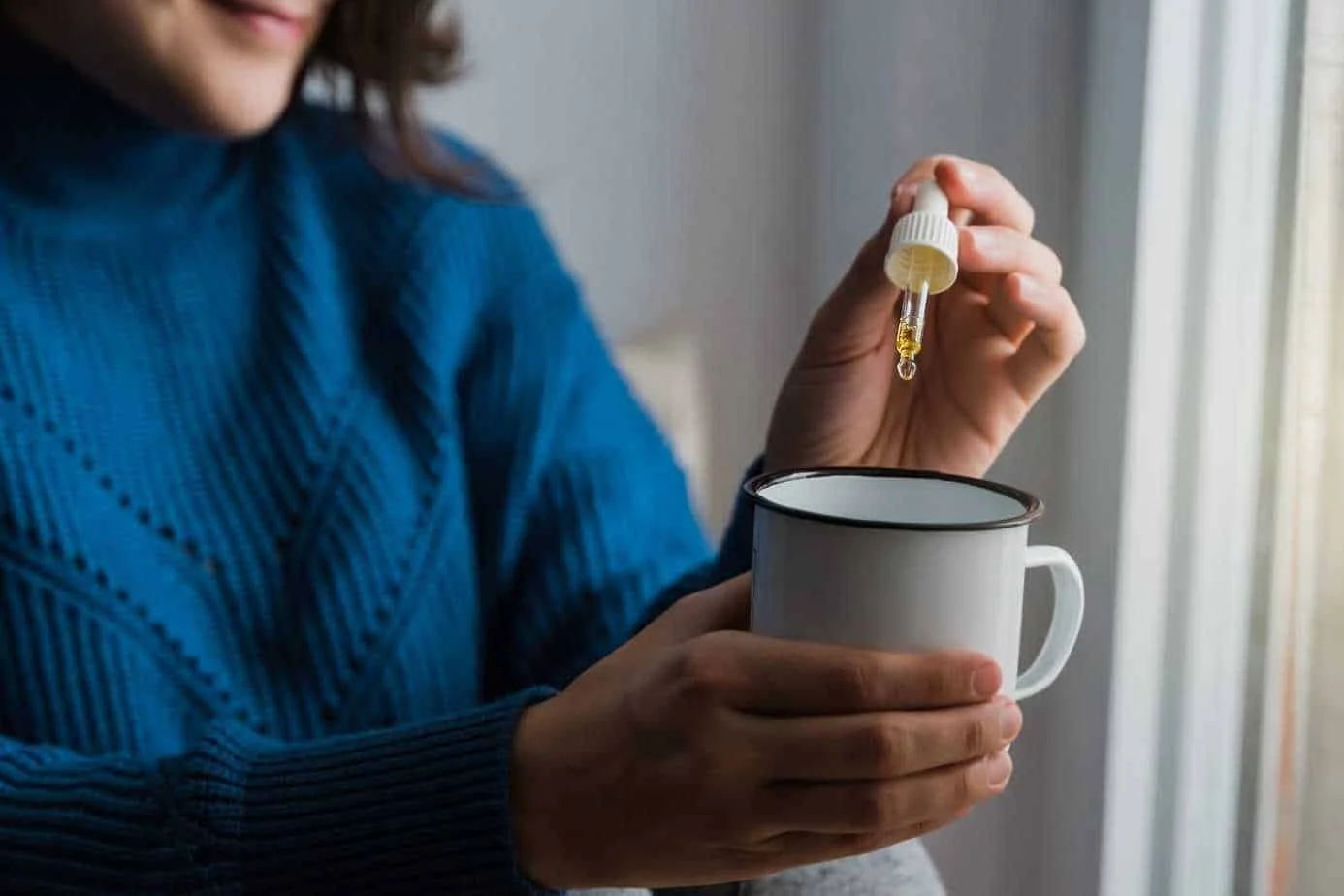
Quick answer: CBD shows promising evidence for reducing anxiety in adults, with most research supporting doses of 25–50 mg taken daily or as needed. For seniors with anxiety, it’s most useful as a complement to—not a replacement for—medically supervised treatment. Always discuss with your doctor if you take prescription medications, particularly benzodiazepines or SSRIs.
Anxiety is one of the most prevalent mental health conditions affecting older adults. According to the ADAA, anxiety disorders impact up to 15% of adults over 65, with many more experiencing subclinical anxiety that affects their daily quality of life. Unfortunately, anxiety is often underdiagnosed and undertreated in seniors, frequently dismissed as “just stress” or confused with depression.
CBD has gained significant attention as a potential supplement for anxiety management. While research is still developing, it is more substantive than for many alternative wellness products. Here’s what seniors specifically need to know.
What the Research Shows
The most cited study: A 2019 retrospective case series published in The Permanente Journal followed 72 adults taking CBD for anxiety and sleep. After one month:
- 79% of participants showed decreased anxiety scores
- 66% showed improved sleep scores
- Effects were sustained in most participants through the 3-month follow-up
Animal research: Multiple preclinical studies in rodents consistently show that CBD reduces anxiety-related behaviors, including in social situations, unfamiliar environments, and stress-induced contexts.
Human clinical trials: Several small randomized controlled trials have demonstrated that CBD reduces anxiety in Social Anxiety Disorder (SAD) specifically, as well as anxiety related to public speaking. A landmark 2011 study revealed that participants given 600mg of CBD before a simulated public speaking test experienced significantly lower anxiety and cognitive impairment compared to those given a placebo.
What’s missing: There is a lack of large-scale, long-term randomized controlled trials specifically involving older adults. While the evidence base is promising, it has not yet reached the level required for FDA approval for anxiety indications.
Bottom line: CBD has more research support for anxiety than almost any other condition it’s used for, but it is not FDA-approved as an anxiety treatment. The evidence does not yet justify replacing established treatments (therapy, medication) with CBD.
Types of Anxiety CBD May Help
Based on available research, CBD appears most relevant for:
Generalized Anxiety Disorder (GAD)
This involves persistent, excessive worry about multiple life areas. CBD’s anti-anxiety effects in preclinical and some clinical research are particularly relevant here.
Social anxiety
This includes fear and avoidance of social situations. Multiple small trials have shown specific benefits, which is particularly relevant for seniors experiencing social isolation.
Situational anxiety
This relates to anxiety triggered by specific situations such as medical procedures, flying, family conflicts, or moving. Taking CBD 1–2 hours before a stressful situation may help manage acute anxiety.
Sleep anxiety
This involves the cycle of anxiety about not sleeping, which can lead to insomnia. CBD at moderate-to-higher doses (25–50 mg) before bed can address both the anxiety and sleep components simultaneously.
What CBD may not help:
- Panic disorder with severe panic attacks
- PTSD (mixed evidence)
- Phobias requiring exposure therapy
- Anxiety caused by an underlying medical condition (thyroid issues, cardiac arrhythmia, etc.)
How to Use CBD for Anxiety: Senior-Specific Protocol
Step 1: Start low
Begin with 10–15mg of CBD daily. Many seniors find this dosage adequate for mild-to-moderate anxiety. Dosing can be once daily or split into morning and evening doses.
Step 2: Be consistent
CBD for anxiety works best with consistent daily use rather than as-needed dosing. The anxiolytic effects build over time; most users notice improvement within the first 2–4 weeks.
Step 3: Adjust gradually
If you don’t notice improvement after 2 weeks, increase the dosage by 5–10 mg. Most seniors find their optimal dose between 20 and 50 mg daily.
Step 4: Choose the right product
- Oil (tincture): Fastest onset (15–45 minutes). Best for situational anxiety where timing matters.
- Gummies: Slower onset (60–90 minutes). Convenient for daily use with a consistent dose.
- Capsules: Most consistent dosing. Slowest onset. Good for daily maintenance.
Step 5: Track your response
Keep a simple log noting your dose, time taken, and anxiety level on a 1–10 scale. Review after 3–4 weeks to assess whether CBD is helping.
CBD and Anti-Anxiety Medications: Crucial Information
This section is particularly important for seniors already taking prescription anxiety medications.
Do not stop taking prescribed medications to start CBD without medical supervision. Suddenly stopping benzodiazepines (Xanax, Valium, Ativan, Klonopin) can lead to dangerous withdrawal symptoms, including seizures.
CBD + benzodiazepines: Both substances have sedative effects. Taking CBD alongside a benzodiazepine can increase sedation to a level that impairs function or causes falls. Your doctor should be informed if you’re taking both.
CBD + SSRIs (Prozac, Zoloft, Lexapro, etc.): There is potential for interaction through CYP450 enzyme inhibition—CBD may slightly increase SSRI levels. This is generally low risk at CBD doses under 50 mg but warrants awareness.
CBD + buspirone: Limited data exists; the known risk is low.
The best approach: Inform your doctor about your interest in CBD. Show them the product you wish to try. A knowledgeable physician can advise on interaction risks and monitor your response.
Best CBD Products for Senior Anxiety
Charlotte’s Web CBD Oil (17mg/mL or 60mg/mL)
This is the most trusted brand with the longest track record. It is full-spectrum for maximum benefit. Start with the regular strength and advance to maximum if needed.
Medterra CBD Oil (1000mg)
This is broad-spectrum, which presents a lower drug interaction risk than full-spectrum options. It’s a good choice for seniors on multiple medications who want to minimize THC exposure.
NuLeaf Naturals (60mg/mL)
This offers the best value for high-potency full-spectrum oil with clean ingredients. Ideal for seniors who’ve determined they need 25mg+ daily.
Cornbread Hemp Gummies (25mg)
These are full-spectrum, organic, whole-flower gummies that provide easy, consistent dosing.
Non-CBD Approaches That Complement Anxiety Treatment
For seniors with significant anxiety, CBD is most effective as part of a broader approach:
Cognitive Behavioral Therapy (CBT): This is the gold-standard psychological treatment for anxiety. It is highly effective in older adults and increasingly available via telehealth, removing transportation barriers many seniors face.
Physical activity: Even 20–30 minutes of walking three times per week shows consistent anxiety-reducing effects. The evidence base here rivals many medications.
Sleep improvement: Poor sleep dramatically worsens anxiety. Addressing sleep quality independently often reduces daytime anxiety.
Social connection: Loneliness and social isolation are significant drivers of anxiety in older adults. Senior centers, faith communities, and volunteer programs can help address this issue directly.
Mindfulness and relaxation practices: Techniques such as progressive muscle relaxation, guided breathing, and mindfulness-based stress reduction (MBSR) all have evidence supporting their effectiveness in managing anxiety in seniors.
Frequently Asked Questions
How much CBD should a senior take for anxiety?
Start with 10–15mg daily and increase gradually. Most research showing anxiety benefits utilized doses in the 25–50mg range. Seniors often respond at lower doses than younger adults due to slower metabolism. Never exceed 75mg/day without guidance from a healthcare provider.
How quickly does CBD work for anxiety?
CBD oil taken sublingually (under the tongue) typically produces effects in 15–45 minutes, making it useful for situational anxiety. Gummies take 60–90 minutes. For chronic anxiety, consistent daily use over 2–4 weeks yields the best results.
Can I drive after taking CBD for anxiety?
Low-to-moderate doses of CBD (under 25mg) generally do not produce impairment in most individuals. However, some may experience drowsiness, especially at higher doses or when starting. It’s advisable not to drive for at least 3–4 hours after your first dose until you understand how CBD affects you.
Is CBD addictive?
The WHO has reviewed available evidence and concluded that CBD is not addictive and has no dependence potential. This contrasts with benzodiazepines, which carry significant dependence risk, particularly with long-term use.
Can CBD cause or worsen anxiety?
In rare cases, particularly at very high doses or in individuals sensitive to cannabis compounds, CBD can lead to increased anxiety. This is more likely with full-spectrum products containing higher THC levels. It’s best to start low and avoid very high doses.
Related articles on SeniorAffair.com:
- Best CBD Gummies & Oils for Seniors: Complete Guide
- CBD for Sleep: What Seniors Should Know
- Managing Anxiety Without Medication: A Senior’s Guide
- CBD Drug Interactions: What Every Senior Should Know
Quick answer: CBD shows promising evidence for reducing anxiety in adults, with most research supporting doses of 25–50 mg taken daily or as needed. For seniors with anxiety, it’s most useful as a complement to—not a replacement for—medically supervised treatment. Always discuss with your doctor if you take prescription medications, particularly benzodiazepines or SSRIs.
Anxiety is one of the most prevalent mental health conditions affecting older adults. According to the ADAA, anxiety disorders impact up to 15% of adults over 65, with many more experiencing subclinical anxiety that affects their daily quality of life. Unfortunately, anxiety is often underdiagnosed and undertreated in seniors, frequently dismissed as “just stress” or confused with depression.
CBD has gained significant attention as a potential supplement for anxiety management. While research is still developing, it is more substantive than for many alternative wellness products. Here’s what seniors specifically need to know.
What the Research Shows
The most cited study: A 2019 retrospective case series published in The Permanente Journal followed 72 adults taking CBD for anxiety and sleep. After one month:
- 79% of participants showed decreased anxiety scores
- 66% showed improved sleep scores
- Effects were sustained in most participants through the 3-month follow-up
Animal research: Multiple preclinical studies in rodents consistently show that CBD reduces anxiety-related behaviors, including in social situations, unfamiliar environments, and stress-induced contexts.
Human clinical trials: Several small randomized controlled trials have demonstrated that CBD reduces anxiety in Social Anxiety Disorder (SAD) specifically, as well as anxiety related to public speaking. A landmark 2011 study revealed that participants given 600mg of CBD before a simulated public speaking test experienced significantly lower anxiety and cognitive impairment compared to those given a placebo.
What’s missing: There is a lack of large-scale, long-term randomized controlled trials specifically involving older adults. While the evidence base is promising, it has not yet reached the level required for FDA approval for anxiety indications.
Bottom line: CBD has more research support for anxiety than almost any other condition it’s used for, but it is not FDA-approved as an anxiety treatment. The evidence does not yet justify replacing established treatments (therapy, medication) with CBD.
Types of Anxiety CBD May Help
Based on available research, CBD appears most relevant for:
Generalized Anxiety Disorder (GAD)
This involves persistent, excessive worry about multiple life areas. CBD’s anti-anxiety effects in preclinical and some clinical research are particularly relevant here.
Social anxiety
This includes fear and avoidance of social situations. Multiple small trials have shown specific benefits, which is particularly relevant for seniors experiencing social isolation.
Situational anxiety
This relates to anxiety triggered by specific situations such as medical procedures, flying, family conflicts, or moving. Taking CBD 1–2 hours before a stressful situation may help manage acute anxiety.
Sleep anxiety
This involves the cycle of anxiety about not sleeping, which can lead to insomnia. CBD at moderate-to-higher doses (25–50 mg) before bed can address both the anxiety and sleep components simultaneously.
What CBD may not help:
- Panic disorder with severe panic attacks
- PTSD (mixed evidence)
- Phobias requiring exposure therapy
- Anxiety caused by an underlying medical condition (thyroid issues, cardiac arrhythmia, etc.)
How to Use CBD for Anxiety: Senior-Specific Protocol
Step 1: Start low
Begin with 10–15mg of CBD daily. Many seniors find this dosage adequate for mild-to-moderate anxiety. Dosing can be once daily or split into morning and evening doses.
Step 2: Be consistent
CBD for anxiety works best with consistent daily use rather than as-needed dosing. The anxiolytic effects build over time; most users notice improvement within the first 2–4 weeks.
Step 3: Adjust gradually
If you don’t notice improvement after 2 weeks, increase the dosage by 5–10 mg. Most seniors find their optimal dose between 20 and 50 mg daily.
Step 4: Choose the right product
- Oil (tincture): Fastest onset (15–45 minutes). Best for situational anxiety where timing matters.
- Gummies: Slower onset (60–90 minutes). Convenient for daily use with a consistent dose.
- Capsules: Most consistent dosing. Slowest onset. Good for daily maintenance.
Step 5: Track your response
Keep a simple log noting your dose, time taken, and anxiety level on a 1–10 scale. Review after 3–4 weeks to assess whether CBD is helping.
CBD and Anti-Anxiety Medications: Crucial Information
This section is particularly important for seniors already taking prescription anxiety medications.
Do not stop taking prescribed medications to start CBD without medical supervision. Suddenly stopping benzodiazepines (Xanax, Valium, Ativan, Klonopin) can lead to dangerous withdrawal symptoms, including seizures.
CBD + benzodiazepines: Both substances have sedative effects. Taking CBD alongside a benzodiazepine can increase sedation to a level that impairs function or causes falls. Your doctor should be informed if you’re taking both.
CBD + SSRIs (Prozac, Zoloft, Lexapro, etc.): There is potential for interaction through CYP450 enzyme inhibition—CBD may slightly increase SSRI levels. This is generally low risk at CBD doses under 50 mg but warrants awareness.
CBD + buspirone: Limited data exists; the known risk is low.
The best approach: Inform your doctor about your interest in CBD. Show them the product you wish to try. A knowledgeable physician can advise on interaction risks and monitor your response.
Best CBD Products for Senior Anxiety
Charlotte’s Web CBD Oil (17mg/mL or 60mg/mL)
This is the most trusted brand with the longest track record. It is full-spectrum for maximum benefit. Start with the regular strength and advance to maximum if needed.
Medterra CBD Oil (1000mg)
This is broad-spectrum, which presents a lower drug interaction risk than full-spectrum options. It’s a good choice for seniors on multiple medications who want to minimize THC exposure.
NuLeaf Naturals (60mg/mL)
This offers the best value for high-potency full-spectrum oil with clean ingredients. Ideal for seniors who’ve determined they need 25mg+ daily.
Cornbread Hemp Gummies (25mg)
These are full-spectrum, organic, whole-flower gummies that provide easy, consistent dosing.
Non-CBD Approaches That Complement Anxiety Treatment
For seniors with significant anxiety, CBD is most effective as part of a broader approach:
Cognitive Behavioral Therapy (CBT): This is the gold-standard psychological treatment for anxiety. It is highly effective in older adults and increasingly available via telehealth, removing transportation barriers many seniors face.
Physical activity: Even 20–30 minutes of walking three times per week shows consistent anxiety-reducing effects. The evidence base here rivals many medications.
Sleep improvement: Poor sleep dramatically worsens anxiety. Addressing sleep quality independently often reduces daytime anxiety.
Social connection: Loneliness and social isolation are significant drivers of anxiety in older adults. Senior centers, faith communities, and volunteer programs can help address this issue directly.
Mindfulness and relaxation practices: Techniques such as progressive muscle relaxation, guided breathing, and mindfulness-based stress reduction (MBSR) all have evidence supporting their effectiveness in managing anxiety in seniors.
Frequently Asked Questions
How much CBD should a senior take for anxiety?
Start with 10–15mg daily and increase gradually. Most research showing anxiety benefits utilized doses in the 25–50mg range. Seniors often respond at lower doses than younger adults due to slower metabolism. Never exceed 75mg/day without guidance from a healthcare provider.
How quickly does CBD work for anxiety?
CBD oil taken sublingually (under the tongue) typically produces effects in 15–45 minutes, making it useful for situational anxiety. Gummies take 60–90 minutes. For chronic anxiety, consistent daily use over 2–4 weeks yields the best results.
Can I drive after taking CBD for anxiety?
Low-to-moderate doses of CBD (under 25mg) generally do not produce impairment in most individuals. However, some may experience drowsiness, especially at higher doses or when starting. It’s advisable not to drive for at least 3–4 hours after your first dose until you understand how CBD affects you.
Is CBD addictive?
The WHO has reviewed available evidence and concluded that CBD is not addictive and has no dependence potential. This contrasts with benzodiazepines, which carry significant dependence risk, particularly with long-term use.
Can CBD cause or worsen anxiety?
In rare cases, particularly at very high doses or in individuals sensitive to cannabis compounds, CBD can lead to increased anxiety. This is more likely with full-spectrum products containing higher THC levels. It’s best to start low and avoid very high doses.
Related articles on SeniorAffair.com:
- Best CBD Gummies & Oils for Seniors: Complete Guide
- CBD for Sleep: What Seniors Should Know
- Managing Anxiety Without Medication: A Senior’s Guide
- CBD Drug Interactions: What Every Senior Should Know