When Should Someone with Dementia Go Into a Care Home?

Receiving a dementia diagnosis can be an incredibly challenging time for both the individual and their family. One of the most pressing decisions that arises is whether to place the person in a care facility. This choice significantly impacts their physical, mental, and emotional well-being, making it essential to approach it thoughtfully.
Signs that a move to a care home may be necessary
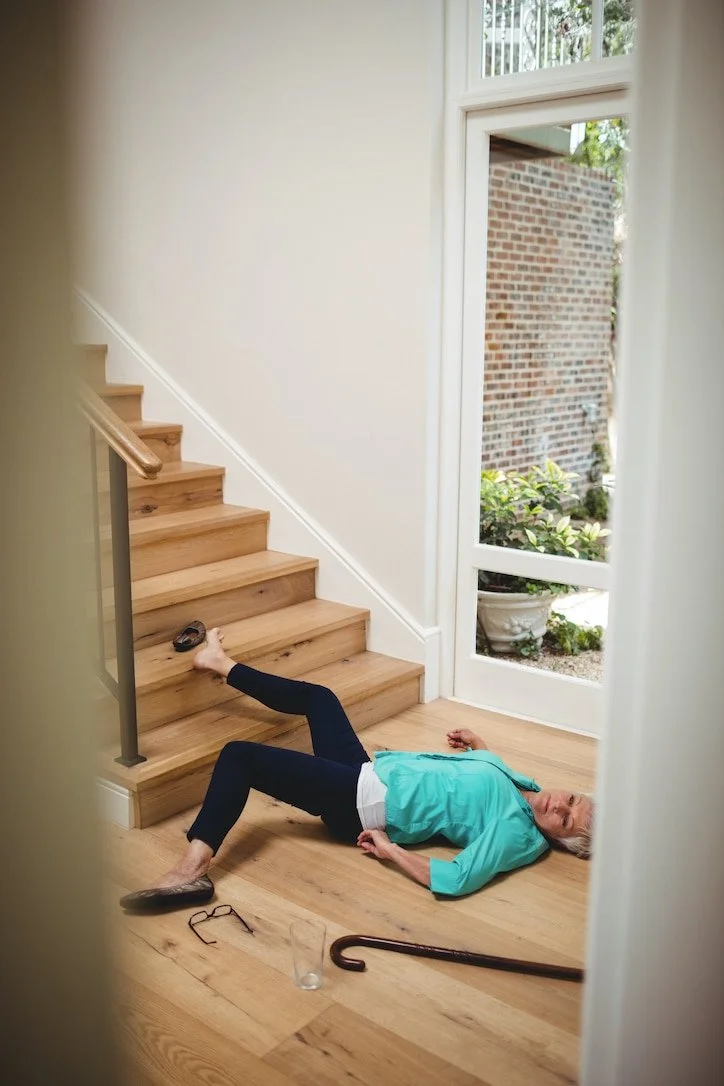
When contemplating a move for a loved one with dementia, certain signs can indicate that this step may be necessary. If your loved one is facing complications such as confusion, memory loss, or difficulty managing daily tasks, they might benefit from the 24/7 support offered by a care home. Additionally, if their condition is worsening to the point where they pose a danger to themselves or others, it may be time to consider a care facility. Other warning signs include struggles with finances and increased agitation or restlessness. Observing any of these symptoms could signal that a care home is the right choice.

Exploring options for care at home
Deciding whether to place a loved one with dementia in a care facility can be daunting, but it’s vital to explore all available options first. Various services can help individuals maintain their independence at home. Home health aides can assist with daily tasks like bathing and dressing, while companions provide emotional support and help with errands. Adult daycare programs offer a safe space for social interaction and activities. Additionally, respite services allow family caregivers to take necessary breaks. Evaluating these alternatives can help determine if a move to a care home is truly the best option.
When should someone with dementia go into a care home?
Determining the right time to transition someone with dementia into a care home is often an emotional and complex decision. Generally, it may be time to consider this move when the individual can no longer live safely at home or requires specialized care that is difficult to provide in a home setting. Each dementia case is unique, so it’s crucial to consult closely with healthcare professionals to make an informed decision.
Care homes are particularly beneficial for individuals in the later stages of dementia, who may struggle with self-care and social interaction. These facilities provide around-the-clock supervision, experienced caregivers, and necessary medical interventions. They offer a secure environment where residents can receive assistance with daily activities such as eating, dressing, and exercising.
Before making a decision, it’s important to consider the individual’s wishes, financial resources, and the circumstances of family caregivers. Visiting potential care homes can also provide insight into the type of care available and whether it aligns with the needs of your loved one.
Finding the right care home for your loved one
Selecting the right care facility for a loved one can be a daunting task. It’s essential to ensure that they will receive the best possible care in their new environment. Here are several key factors to consider when evaluating potential care homes:
They consist of the following:
• Location – Consider how close the care home is to family, friends, and other support networks.
• Quality of Care – Assess the quality of care provided by staff and ensure there are enough nurses and support workers available. Inquire about their approach to managing challenging behaviors or medical conditions.
• Facilities & Amenities – Review the physical environment of the care home. Are the bedrooms comfortable and spacious? Is there access to outdoor areas for activities?
• Activities & Social Outings – Investigate the variety of activities and social outings available to residents, ensuring there is a program that caters to diverse interests.
• Cost & Contracts – Clarify the costs associated with the care home and review contracts thoroughly.
Once you’ve evaluated these factors and feel confident in your choice, arrange a visit to the care home. This visit will allow your loved one to experience the environment and interact with staff before making a final decision.
The benefits of a care home environment
For those requiring round-the-clock care, a care home provides a safe, secure, and comfortable atmosphere. Residents receive assistance with daily living tasks such as dressing, bathing, and medication management. Furthermore, care homes offer families peace of mind, knowing their loved ones are in a secure environment with access to medical professionals and social activities.
Some of the benefits associated with care home living include:
- Trained professionals providing 24-hour care and assistance, ensuring appropriate supervision and support.
- Access to social activities and recreational opportunities, helping reduce loneliness and fostering engagement.
- A home-like setting with supportive amenities, including private bedrooms and communal dining areas.
- Comprehensive medical care, with trained professionals monitoring residents and providing necessary treatments.
- Improved quality of life for family members, allowing them to focus on other aspects of their lives while knowing their loved ones are well cared for.
Overall, care home living offers numerous advantages for residents and their families. Providing a safe, secure environment with access to comprehensive medical care and social activities can significantly enhance the quality of life for those who need assistance.
Receiving a dementia diagnosis can be an incredibly challenging time for both the individual and their family. One of the most pressing decisions that arises is whether to place the person in a care facility. This choice significantly impacts their physical, mental, and emotional well-being, making it essential to approach it thoughtfully.
Signs that a move to a care home may be necessary
When contemplating a move for a loved one with dementia, certain signs can indicate that this step may be necessary. If your loved one is facing complications such as confusion, memory loss, or difficulty managing daily tasks, they might benefit from the 24/7 support offered by a care home. Additionally, if their condition is worsening to the point where they pose a danger to themselves or others, it may be time to consider a care facility. Other warning signs include struggles with finances and increased agitation or restlessness. Observing any of these symptoms could signal that a care home is the right choice.
Exploring options for care at home
Deciding whether to place a loved one with dementia in a care facility can be daunting, but it’s vital to explore all available options first. Various services can help individuals maintain their independence at home. Home health aides can assist with daily tasks like bathing and dressing, while companions provide emotional support and help with errands. Adult daycare programs offer a safe space for social interaction and activities. Additionally, respite services allow family caregivers to take necessary breaks. Evaluating these alternatives can help determine if a move to a care home is truly the best option.
When should someone with dementia go into a care home?
Determining the right time to transition someone with dementia into a care home is often an emotional and complex decision. Generally, it may be time to consider this move when the individual can no longer live safely at home or requires specialized care that is difficult to provide in a home setting. Each dementia case is unique, so it’s crucial to consult closely with healthcare professionals to make an informed decision.
Care homes are particularly beneficial for individuals in the later stages of dementia, who may struggle with self-care and social interaction. These facilities provide around-the-clock supervision, experienced caregivers, and necessary medical interventions. They offer a secure environment where residents can receive assistance with daily activities such as eating, dressing, and exercising.
Before making a decision, it’s important to consider the individual’s wishes, financial resources, and the circumstances of family caregivers. Visiting potential care homes can also provide insight into the type of care available and whether it aligns with the needs of your loved one.
Finding the right care home for your loved one
Selecting the right care facility for a loved one can be a daunting task. It’s essential to ensure that they will receive the best possible care in their new environment. Here are several key factors to consider when evaluating potential care homes:
They consist of the following:
• Location – Consider how close the care home is to family, friends, and other support networks.
• Quality of Care – Assess the quality of care provided by staff and ensure there are enough nurses and support workers available. Inquire about their approach to managing challenging behaviors or medical conditions.
• Facilities & Amenities – Review the physical environment of the care home. Are the bedrooms comfortable and spacious? Is there access to outdoor areas for activities?
• Activities & Social Outings – Investigate the variety of activities and social outings available to residents, ensuring there is a program that caters to diverse interests.
• Cost & Contracts – Clarify the costs associated with the care home and review contracts thoroughly.
Once you’ve evaluated these factors and feel confident in your choice, arrange a visit to the care home. This visit will allow your loved one to experience the environment and interact with staff before making a final decision.
The benefits of a care home environment
For those requiring round-the-clock care, a care home provides a safe, secure, and comfortable atmosphere. Residents receive assistance with daily living tasks such as dressing, bathing, and medication management. Furthermore, care homes offer families peace of mind, knowing their loved ones are in a secure environment with access to medical professionals and social activities.
Some of the benefits associated with care home living include:
- Trained professionals providing 24-hour care and assistance, ensuring appropriate supervision and support.
- Access to social activities and recreational opportunities, helping reduce loneliness and fostering engagement.
- A home-like setting with supportive amenities, including private bedrooms and communal dining areas.
- Comprehensive medical care, with trained professionals monitoring residents and providing necessary treatments.
- Improved quality of life for family members, allowing them to focus on other aspects of their lives while knowing their loved ones are well cared for.
Overall, care home living offers numerous advantages for residents and their families. Providing a safe, secure environment with access to comprehensive medical care and social activities can significantly enhance the quality of life for those who need assistance.